Shoppers

Balancing Form and Function in Furniture Design: Creating an Ideal Office Environment

Creating a productive workspace today is no longer just about filling a room with desks and chairs. The modern office demands a thoughtful blend of aesthetics and usability. Balancing form and function in furniture design is what transforms an average workspace into an efficient, comfortable, and visually appealing environment that supports both performance and well-being.

Whether you are upgrading your workspace or starting fresh, understanding how office furniture design influences productivity is key.

Key Insights

  • Balance style and functionality to create a workspace that looks good and works efficiently.
  • Prioritize ergonomic comfort to support posture and long working hours.
  • Use neutral furniture and add accents to keep the design clean yet visually appealing.
  • Choose multi-functional furniture to maximize space and usability.
  • Maintain a consistent design theme for a professional and cohesive look.
  • Incorporate greenery to enhance mood, freshness, and overall workspace vibe.

Why Balancing Form and Function Matters in Office Design

In simple terms, form refers to how furniture looks, while function relates to how well it performs its purpose. In a modern office environment, one cannot exist without the other.

An overly stylish office that ignores comfort can reduce productivity. On the other hand, purely functional setups often feel uninspiring. The goal is to create functional office furniture that also contributes to a pleasant and motivating atmosphere.

A well-balanced workspace improves:

  • Employee comfort and health
  • Focus and efficiency
  • Brand perception and professionalism
  • Long-term cost-effectiveness

Key Elements of Office Furniture Design

Here are some of the key elements of different types of office furniture. Let us take a look at each in complete detail:

1. Ergonomics First

Ergonomic office furniture is the backbone of any productive workspace. Chairs with lumbar support, adjustable desks, and proper monitor placement reduce strain and prevent long-term health issues.

Investing in ergonomic solutions isn’t just for comfort; it also improves work output and cuts down on absences.

2. Aesthetic Appeal Matters

A workspace should reflect your brand and culture. Stylish office furniture enhances mood, creativity, and overall employee satisfaction.

Modern trends in office interior design focus on:

  • Clean lines and minimalism
  • Neutral tones with accent colors
  • Natural materials and textures

3. Functionality and Flexibility

Adaptability is needed in today’s workplaces. Different ways of working should be supported by furniture in the workplace, such as quiet focus areas and areas for working together.

Flexible furniture includes:

  • Modular desks
  • Foldable tables
  • Mobile storage units

These solutions help in office layout optimization, especially in hybrid or dynamic work environments.

4. Space Optimization

Efficient use of space is crucial. Smart furniture design ensures maximum usability without clutter.

Office layout optimization involves:

  • Multi-purpose furniture
  • Vertical storage solutions
  • Compact desk designs

This is especially important for startups or businesses looking for cost-effective office furniture.

Office Furniture Trends Shaping Modern Workspaces

The evolution of modern office furniture reflects changing work cultures. Some key office furniture trends include:

  • Sit-stand Office Desk in Kigali, Rwanda, for better posture
  • Sustainable and eco-friendly materials
  • Tech-integrated furniture (charging ports, cable management)
  • Collaborative seating arrangements

These Gen Z Office Furniture Trends highlight the importance of combining innovation with usability.

What Are the Key Pieces of Home Office Furniture and How Do They Improve Productivity?

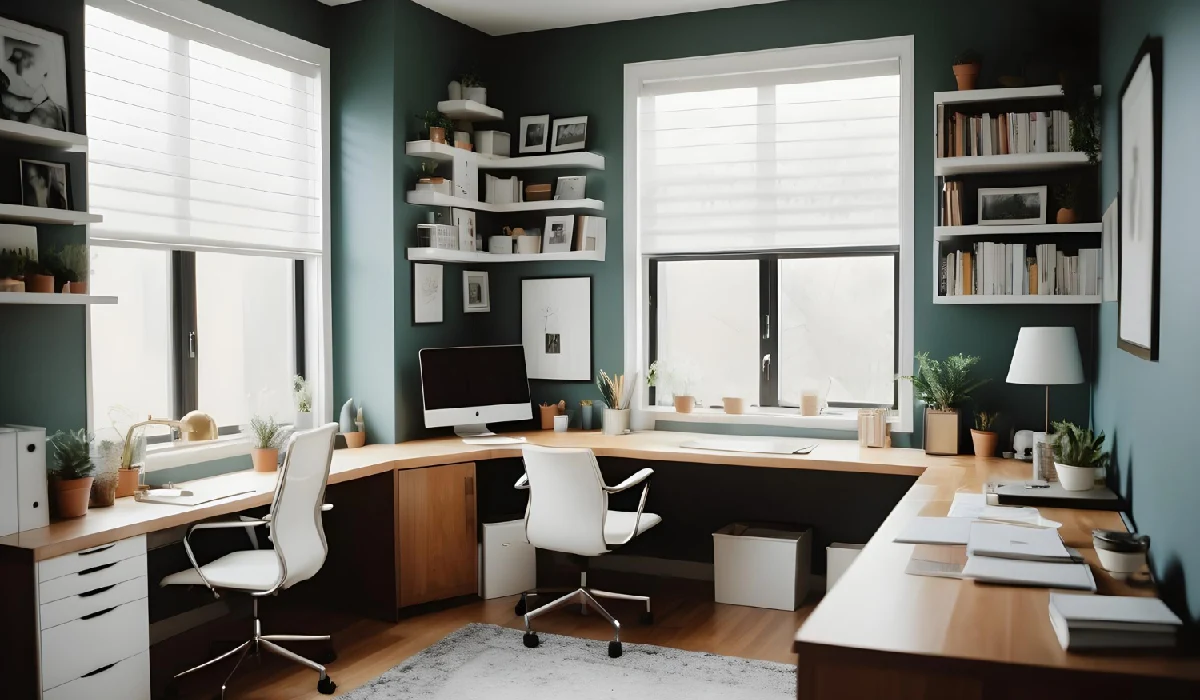
A home office setup requires thoughtful selection of essentials. The right furniture can significantly boost productivity and comfort.

Key pieces include:

  • A comfortable desk: Supports posture and organizes workflow
  • An ergonomic office Visitor Chair in Kigali: Prevents back and neck strain
  • Storage units: Keep the workspace clutter-free
  • Proper lighting: Reduces eye strain
  • Monitor stands or mounts: Ensure correct screen positioning

Together, these elements create a balanced office environment design that supports long working hours without fatigue.

Choosing the Right Furniture for Your Workspace

When planning to Buy Office Furniture in Kigali, Rwanda, consider both current needs and future scalability.

For businesses exploring office furniture options, factors to evaluate include:

Durability and Material Quality

Opt for furniture made from high-quality materials such as engineered wood, solid metal frames, or premium laminates. Durable furniture reduces long-term replacement costs and ensures your workspace remains professional and reliable over time.

Ergonomic Features

Prioritize ergonomic office furniture that supports posture and reduces physical strain. Features like adjustable seat height, lumbar support, armrests, and sit-stand desks contribute to employee comfort and long-term health.

Space Compatibility

Measure your workspace carefully and choose furniture that fits well without overcrowding. Compact, modular, or multi-functional pieces can help optimize layout while maintaining ease of movement and accessibility.

Budget Constraints

Balance cost with value. Instead of choosing the cheapest option, focus on furniture that offers durability and functionality within your budget. This ensures better ROI and avoids frequent upgrades.

Flexibility and Scalability

Choose modular furniture systems that can adapt as your team grows. Expandable desks, stackable chairs, and movable storage units make it easier to reconfigure your office layout when needed.

Design Consistency

Maintain a cohesive look across your workspace by selecting furniture that aligns with your overall office interior design. Consistency enhances brand identity and creates a more professional environment.

Maintenance and Ease of Cleaning

Select materials that are easy to clean and maintain, especially in high-traffic office areas. This helps preserve appearance and hygiene over time.

Brands like Shoppers Stop offer a wide range of affordable office furniture and premium solutions that combine style with practicality.

Practical Tips to Balance Aesthetics and Functionality

Achieving the perfect balance between style and usability requires thoughtful decisions that enhance both comfort and visual appeal. Here are some practical tips to help you create a well-designed workspace:

  • Choose neutral base furniture and add accents for style

Start with neutral tones like white, grey, or beige for larger furniture pieces, then introduce color through cushions, decor, or wall elements to keep the space visually engaging without overwhelming it.

  • Prioritize comfort before visual appeal

Always select furniture that supports posture and usability first. A visually attractive chair or desk should never compromise comfort, especially for long working hours.

  • Use multi-functional pieces to maximize space

Invest in furniture that serves multiple purposes, such as desks with built-in storage or foldable tables, to make the most of your available space.

  • Maintain consistency in design for a cohesive look

Stick to a single design theme, like modern, minimalist, or classic, so that all of the furniture fits together well and makes the space look professional.

  • Incorporate greenery for a refreshing environment

Adding plants or natural elements can improve air quality, reduce stress, and bring a sense of balance to your workspace.

These strategies help create functional office furniture solutions for modern workplaces without sacrificing aesthetics.

Frequently Asked Questions

Why is it important to balance form and function in product design?

Balancing both ensures that a product is not only visually appealing but also practical and efficient to use, leading to better user satisfaction and performance.

What is form vs function in interior design?

Form refers to the visual aspects like shape and style, while function relates to usability and purpose. Both must complement each other for effective design.

How do you balance aesthetic and functional needs when designing spaces?

By prioritizing usability first and enhancing it with design elements such as colors, textures, and layout consistency.

What are the 4 types of balance in design?

Symmetrical, asymmetrical, radial, and visual balance are the four key types used to create harmony in design.

How can I make my office furniture both stylish and practical?

Choose ergonomic Luxury Office Furniture Designs with clean aesthetics, opt for neutral tones, and use modular furniture that serves multiple purposes.

How can I balance ergonomic comfort with aesthetics in my home office?

Select ergonomically designed furniture in modern finishes, ensuring comfort while maintaining visual appeal.

What is ergonomics at the workplace?

It is the science of designing workspaces to fit user needs, improving comfort, efficiency, and safety.

How to improve office ergonomics?

Use adjustable chairs and desks, maintain proper posture, position screens at eye level, and ensure adequate lighting.

Final Thought

It’s no longer a choice whether to balance form and function in furniture design; it’s necessary for making a productive and inspiring workspace. An office that is healthier and more productive has the right mix of smart layouts, ergonomic office furniture, and modern looks.

Even as workplaces change, one thing that will always be important is buying functional office furniture that also looks good. Focusing on both form and function ensures your workspace works for you, not against you, whether you are remodeling or starting from scratch.

What are the Different Types of Office Furniture?

Creating a productive and comfortable workspace starts with choosing the different types of office furniture that suit your business needs. From ergonomic seating to smart storage, the right furniture not only enhances efficiency but also improves employee well-being and reflects your brand identity.

Whether you’re designing a corporate setup or a small workspace, understanding the various types of office furniture is essential.

Key Insights

  • The right furniture setup plays a critical role in improving efficiency, focus, and daily workflow.
  • Ergonomic desks and chairs are essential for maintaining posture, reducing fatigue, and preventing long-term health issues.
  • From desks and chairs to storage units and meeting room furniture, each category contributes to a functional workspace.
  • Organized offices with efficient storage solutions like cabinets and modular units create a clutter-free environment, which directly enhances focus and time management.
  • Modern offices are shifting toward open layouts, but incorporating partitions or acoustic elements helps maintain personal space while encouraging teamwork.

Different Types of Office Furniture

Here is what you need to keep in mind when choosing the right furniture setup for your office:

1. Office Desks

Office desks are the foundation of any workspace. They come in a variety of styles depending on the function and space available. Popular office desk furniture includes executive desks, computer desks, writing desks, and standing desks.

For a modern setup, many businesses are adopting adjustable desks that promote better posture and movement throughout the day. Compact or corner desks make the most of available space in smaller offices without sacrificing usability. A lot of big corporates prefer luxury office furniture designs.

2. Office Chairs

When discussing office desks and chairs, seating plays a critical role in employee comfort. Ergonomic chairs are designed to support posture, reduce back pain, and improve productivity.

There are different types of office chairs, including executive chairs, task chairs, mesh chairs, and conference chairs. Investing in ergonomic office furniture is one of the best decisions for long-term workplace health and efficiency.

3. Office Storage Furniture

Organized workspaces lead to better productivity, and that’s where office storage furniture comes in. Filing cabinets, bookshelves, cupboards, and mobile storage units help keep documents and supplies neatly arranged.

For a clutter-free environment, modern offices often opt for modular storage solutions that blend seamlessly with the overall office furniture design. Efficient storage is especially important for businesses handling large volumes of paperwork or inventory.

4. Workstations and Cubicles

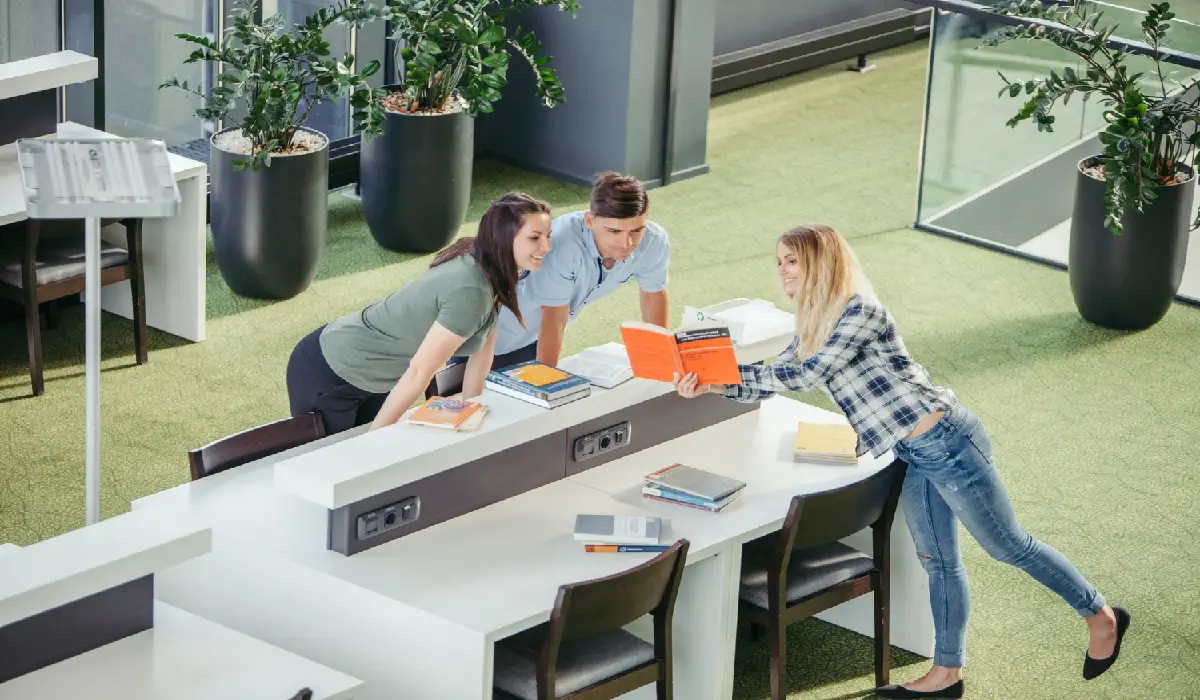
Workstations are essential for collaborative environments. Office workstation furniture includes cubicles, benching systems, and shared desks that allow multiple employees to work efficiently within the same area.

Modern offices are moving toward open-plan workstations that encourage teamwork while maintaining personal space through partitions or acoustic panels. These are ideal office furniture solutions for growing teams and dynamic workplaces.

5. Conference and Meeting Room Furniture

Meeting rooms require specialized furniture that supports collaboration and communication. This includes conference tables, meeting chairs, presentation boards, and media units.

Professional office furniture includes well-designed conference spaces to facilitate smooth discussions, presentations, and client meetings. Investing in high-quality furniture for meeting rooms also enhances your company’s professional image.

6. Reception and Lounge Furniture

The reception area is the first impression visitors have of your office. Reception desks, waiting chairs, sofas, and coffee tables fall under this category.

Stylish and comfortable reception furniture reflects your brand identity and creates a welcoming atmosphere. Many businesses now incorporate modern office furniture ideas such as minimalist sofas and designer seating, to elevate their front-office aesthetics.

7. Breakroom and Cafeteria Furniture

Employee well-being extends beyond workstations. Breakroom furniture includes dining tables, chairs, pantry units, and lounge seating.

Providing a comfortable space for employees to relax improves morale and productivity. This category is an essential part of office furniture for workplace environments that prioritize employee satisfaction.

8. Specialized Office Furniture

Gen Z Office furniture trends include customized or specialized furniture, such as height-adjustable desks, IT server racks, laboratory furniture, or training room setups.

These are part of commercial office furniture designed to meet industry-specific needs. Businesses should assess their operational requirements before selecting such furniture.

Choosing the Right Office Furniture

Selecting the best office furniture for small office or large corporate setups depends on several factors:

  • Space availability
  • Employee comfort and ergonomics
  • Nature of work
  • Budget and scalability
  • Aesthetic preferences

Brands like Shoppers Stop offer a wide range of options if you are planning to buy office chair in Rwanda to suit different business needs, from affordable office furniture to luxury setups.

Final Thought

Understanding office furniture types is more than a design decision. It’s a strategic step toward a productive, efficient, and healthy workplace. Every element, from office desks and chairs to smart storage and collaborative workstations, affects how smoothly your daily operations run and how comfortable your team is.

A well-planned office furniture setup reduces clutter, improves posture with ergonomic furniture, and promotes focus and collaboration. Thoughtful office furniture design also improves your workplace’s appearance, impressing clients, partners, and employees.

If you want to buy office table in Rwanda, remember that the right office furniture types let you align your workspace with your business goals, whether you’re building or upgrading.

Your workplace is future-ready when you invest in high-quality, functional, and modern solutions that boost productivity, long-term growth, adaptability, and employee satisfaction.

Frequently Asked Questions

  1. What are the three types of furniture?

The three main types are residential furniture, commercial furniture (including office furniture), and outdoor furniture.

  1. What is office furniture and equipment?

Office furniture includes desks, chairs, storage units, and workstations, while equipment refers to devices like computers, printers, and telecommunication tools.

  1. What is the classification of furniture?

Furniture can be classified based on function (seating, storage, surfaces), material (wood, metal, plastic), and usage (home, office, commercial).

  1. What are the four components of an office?

The four key components are workspace (desks), seating (chairs), storage (cabinets), and collaboration areas (meeting rooms).

  1. What type of material is used for furniture?

Common materials include wood, metal, plastic, glass, and engineered materials like MDF and plywood, often used in modern office furniture.

Luxury Office Furniture Designs That Transform Executive Cabins

Leadership is not announced. It is felt!

Before a word is spoken. Before a handshake is exchanged. Before a deal is negotiated. An executive cabin communicates authority.

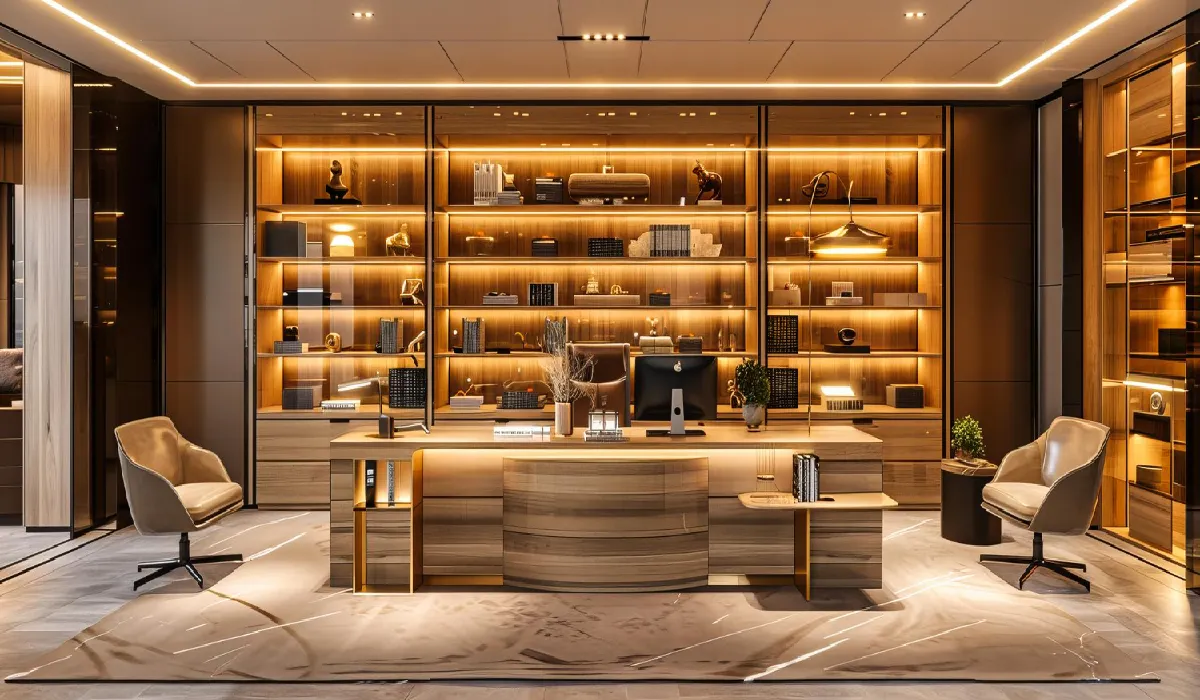
Walk into an executive cabin and you instantly sense authority. The lighting feels intentional. The desk commands attention. The chair doesn’t just support posture, it supports decisions worth millions. 

Luxury office furniture designs are not decorative indulgences. They are strategic instruments of leadership psychology. According to a workplace survey by the International Facility Management Association, well-designed office environments significantly influence productivity, engagement, and perception of leadership. Similarly, research published by Harvard Business Review highlights how physical workspace impacts decision-making confidence and employee trust.

Whether you are planning a refined Boss Cabin Furniture Design or exploring modern executive office design ideas, we will help you design a cabin that reflects authority and earns respect the moment someone walks in. Let’s get started!

Key Takeaways

  • Luxury Office Furniture Designs shape perception instantly. A well-designed executive cabin builds authority, credibility, and brand trust within seconds.
  • Function matters as much as aesthetics. A premium luxury office desk and ergonomic luxury executive desk chair improve focus and long-hour productivity.
  • Details create distinction. From lighting to luxury office guest chairs, every element contributes to a powerful and polished executive environment.

Why Luxury Office Furniture Design Matters

A workspace speaks before you do. It reflects your ambition, values, and brand identity in seconds. That’s why modern executive furniture is not just about visual appeal, it signals authority and long-term vision. A refined executive cabin instantly communicates success, discipline, and confidence to both employees and clients. 

A well-crafted luxury office desk, paired with a precision-built luxury executive desk chair, instantly elevates Executive Office Interior Design and reinforces leadership authority. Thoughtfully selected executive cabin furniture blends aesthetics with ergonomics, ensuring comfort during long strategic hours.

When design meets function, your cabin transforms into a high-end contemporary office furniture statement that inspires confidence, trust, and decisive action.

Key Luxury Office Furniture Ideas to Invest In

Luxury Office Desk Design

Every executive cabin revolves around one defining element, the desk. A luxury office desk should command attention without overwhelming the space. It must balance size, storage, and sophistication.

Trending Luxury Office Desk Designs:

  • Solid walnut or mahogany statement desks
  • Minimalist matte-finish executive tables
  • Marble-accented luxury desk concepts
  • L-shaped modern executive configurations
  • Smart desks with hidden cable management

If you are planning to Buy Office Desk in Kigali, Rwanda, explore premium collections that combine craftsmanship with modern executive functionality. Remember, before choosing one, understand the Difference Between Workstation and Office Desk for a better design.

Premium Office Chairs

Executives spend long hours reviewing reports, leading meetings, and making strategic decisions. A high-quality luxury executive desk chair is essential.

The right luxury office chair offers:

  • Adjustable lumbar support
  • High-density cushioning
  • Italian leather or breathable mesh
  • Recline and tilt mechanisms
  • Durable polished base

Ergonomics directly impacts productivity. That is why investing in office chairs for long hours is critical for health and performance.

If you are searching for an Office Chair For Sale in Rwanda, prioritize ergonomic engineering over just visual appeal. A premium chair should feel like support, not strain.

Materials that Define Modern Interior

Materials are the foundation of powerful Executive Office Interior Design. They do more than fill space, they communicate sophistication, durability, and leadership confidence. In today’s Luxury Office Furniture Designs, material selection defines whether an executive cabin feels ordinary or exceptional.

Elite executive office interior design relies on:

  • Solid hardwood for legacy and stability
  • Genuine leather for authority and refinement
  • Tempered glass for modern transparency
  • Stainless steel accents for precision
  • Natural stone or marble for exclusivity

Texture, weight, and finish quality subtly reinforce long-term business credibility. Luxury is not about shine – it is about structural confidence..

Layout Psychology: Designing for Influence

Learn to design with purpose. Try to incorporate elements that transform ordinary cabins into high-end contemporary office furniture showcases.

Ideal Executive Cabin Layout Tips:

  • Position the desk facing the entrance for authority.
  • Maintain clear walking space for openness.
  • Place luxury office guest chairs opposite the desk for formal discussions.
  • Add a side console or Office table for your workspace to create a secondary meeting zone.

Lighting also plays a vital role. Natural light boosts energy, while warm accent lights enhance sophistication. Neutral colors create calm authority. Add subtle bold accents to reflect personality without clutter.

Frequently Asked Questions

What defines luxury office furniture for executive cabins?

Luxury office furniture combines premium materials, refined craftsmanship, ergonomic design, and sophisticated aesthetics tailored for leadership spaces.

Which materials are best for luxury executive office furniture?

Solid hardwood, genuine leather, marble, tempered glass, and stainless steel are among the best materials for durability and prestige.

How do I choose the right luxury desk for an executive cabin?

Select a desk that fits cabin dimensions, offers smart storage, complements Executive Office Interior Design, and enhances leadership presence.

Is ergonomic design important in luxury executive furniture?

Yes. Ergonomic luxury office chair designs improve posture, reduce fatigue, and support long working hours.

What is the ideal layout for executive cabin furniture?

The ideal layout balances authority and accessibility, desk facing entrance, comfortable guest seating, and sufficient movement space.

Final Thought

An executive cabin should never feel ordinary.

It should reflect leadership vision, strategic clarity, and refined taste. From a powerful luxury boss office table design to supportive luxury executive desk chair selections, every detail contributes to executive presence.

When you invest in the Best luxury office furniture designs for executive cabins, you invest in long-term authority, brand credibility, and performance excellence. Design a cabin that reflects the scale of your leadership.

Whether you want to Buy Office Furniture In Kigali, Rwanda or source imported high-end contemporary pieces, always prioritize:

  • Ergonomic
  • Craftsmanship
  • Brand credibility
  • Warranty support

Explore premium executive collections at Shoppers Stop, choose designs that match your ambition, and create a cabin that does not just look successful, but feels unstoppable.

Gen Z Office Furniture Trends Every Business Must Embrace in 2026

Walk into a modern office today, and you will quickly notice something has changed. Gone are the dull cubicles, stiff chairs, and uninspiring layouts that once defined workplace culture. 

For Gen Z, an office is more than just a place to clock in and out. It is a space that supports creativity, mental well-being, collaboration, and self-expression. This generation grew up surrounded by smart technology, flexible learning environments, and visually driven digital platforms, so naturally, they expect workplaces to reflect the same energy.

Businesses that understand and adapt to these evolving Gen Z office furniture trends are already seeing better engagement, stronger productivity, and higher employee satisfaction. As we move toward office furniture trends 2026, companies must rethink traditional setups and embrace innovative, flexible, and aesthetic workspace solutions that resonate with the next generation of professionals.

Key Takeaways

  • Hybrid workspace furniture trends are reshaping office layouts, enabling flexibility and collaboration.
  • Tech-friendly office furniture supports Gen Z’s digital workflow, increasing efficiency and organization.
  • Workplace aesthetics and personalization strongly influence employee engagement and retention.
  • Sustainable and multifunctional furniture solutions align with Gen Z values and future workplace demands.

Why Gen Z Workplace Design Is Transforming Office Furniture

Gen Z workers prioritize flexibility, creativity, and personalization more than previous generations. According to a Deloitte Global Gen Z Survey, over 70% of Gen Z employees prefer workplaces that support flexibility and wellness-focused environments. This shift is driving innovation in modern office furniture for Gen Z, blending comfort with collaboration. Businesses are now investing heavily in furniture styles for Gen Z employees to improve engagement and productivity.

Gen Z Office Furniture Trends to Look For

Ergonomic Furniture Is No Longer Optional

One of the most dominant Gen Z office furniture trends is the growing demand for ergonomic comfort. Gen Z workers are highly aware of physical wellness and posture health, largely due to their early exposure to digital screens and remote learning.

Modern companies are prioritizing ergonomic furniture that improves comfort and reduces workplace fatigue. Adjustable desks, posture-supporting chairs, and height-flexible workstations are becoming essential components of office desks and chairs for Gen Z.

Businesses searching for reliable solutions often invest in high-quality ergonomic seating like an Ergonomic chair for Gen Z, which supports long working hours while maintaining spinal alignment.

Hybrid Workspace Furniture Trends Are Reshaping Offices

The hybrid work culture has permanently changed office furniture trends. Gen Z expects seamless transitions between remote work and in-office collaboration. This demand has led to the rise of hybrid workspace furniture trends featuring portable desks, modular seating, and foldable workstations.

Modern offices now incorporate:

  • Mobile work pods
  • Foldable or movable workstations
  • Multipurpose collaboration zones

These flexible office furniture solutions support dynamic work styles and allow businesses to adapt quickly to workforce changes.

Tech-Friendly Office Furniture Is Becoming Essential

As digital natives, Gen Z employees expect workspaces to support technology integration. Tech-friendly office furniture is now a central part of contemporary office furniture ideas.

Furniture designs now include:

  • Built-in charging ports
  • Wireless connectivity integration
  • Smart desks with memory height settings
  • Cable management systems

Businesses investing in advanced Workstation and Office Desk setups are improving workflow efficiency while reducing clutter, aligning perfectly with modern productivity expectations.

Affordable and Sustainable Furniture Is Gaining Popularity

Sustainability remains a major priority for Gen Z workers. Many businesses are exploring affordable office furniture ideas for Gen Z teams while maintaining eco-friendly standards.

Popular sustainable furniture trends include:

  • Recycled material desks
  • Sustainable wood office tables
  • Modular furniture with long lifecycle value

Organizations sourcing Office furniture in Rwanda and exploring options to buy office tables in Kigali are increasingly prioritizing sustainability and cost-effectiveness while meeting modern design expectations.

Multifunctional Workstations Support Flexible Work Culture

One of the fastest-growing creative workspace furniture concepts is multifunctional workstation design. These multifunctional workstations combine storage, collaboration spaces, and personal work zones within single furniture units.

These innovative adaptive workplace layouts are especially beneficial for startups and organizations seeking the latest Gen Z office furniture trends for small businesses.

Ergonomic Seating Solutions for Gen Z 

Advanced ergonomic seating solutions for Gen Z workers combine comfort with technology. Many chairs now include lumbar adjustment, breathable mesh materials, and posture correction features. These features significantly improve workplace comfort trends and overall productivity.

Personalized workspace environments rank among the strongest Gen Z office culture and furniture preferences. Employees prefer furniture that allows customization, such as adjustable lighting, personalized desk accessories, and flexible seating options.

Frequently Asked Questions

What types of office furniture improve productivity for Gen Z workers?

Furniture that promotes flexibility, ergonomic support, and collaborative engagement significantly improves productivity. Adjustable desks, multifunctional workstations, and collaborative seating arrangements help Gen Z perform efficiently.

Are ergonomic office furniture trends popular with Gen Z?

Yes. Ergonomic furniture remains one of the most important office furniture trends 2026, as Gen Z prioritizes health, comfort, and long-term wellness in their workplace environment.

How can businesses design offices that attract Gen Z talent?

Companies should focus on flexible layouts, technology-integrated furniture, wellness-focused seating, and visually appealing workspace aesthetics that reflect creativity and company culture.

What type of office furniture does Gen Z prefer most?

Gen Z prefers multifunctional workstations, ergonomic chairs, collaborative furniture, and minimalist design elements that support personalization and flexibility.

Final Thought

Gen Z is redefining how workplaces should look, feel, and function. Businesses that invest in flexible layouts, ergonomic furniture, and visually engaging workspace designs are more likely to attract and retain young talent. Adapting to these evolving office furniture trends is no longer optional, it is essential for improving productivity, boosting employee satisfaction, and staying competitive in the future workplace landscape.

If your business wants to stay ahead in talent retention and productivity, now is the time to invest in modern office furniture for Gen Z. Explore innovative workspace solutions, ergonomic seating, and future-ready workstation designs at Shoppers Stop and experience furniture that inspires creativity and efficiency.