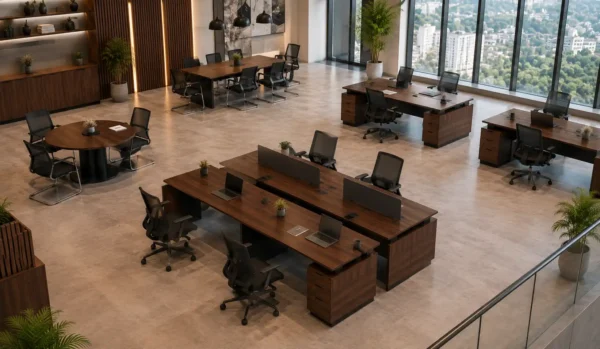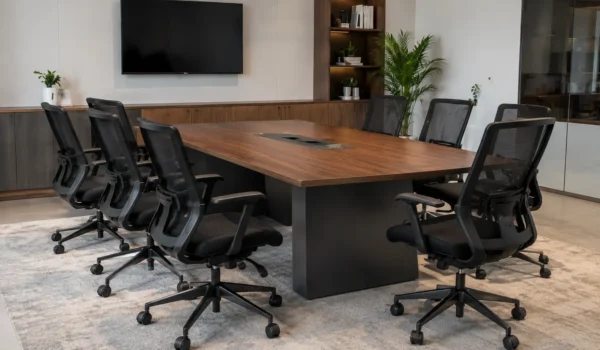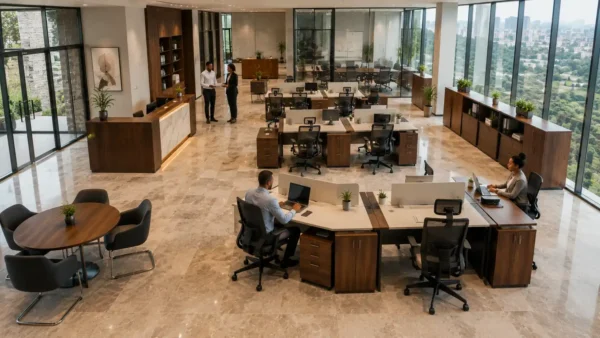
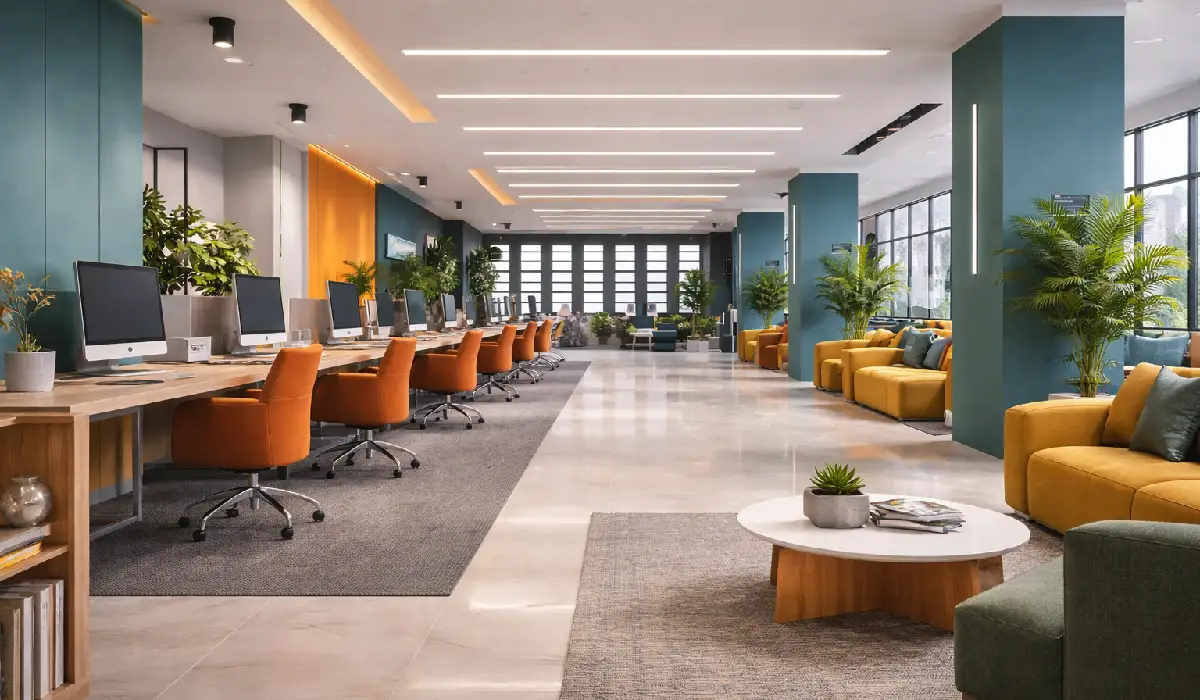
Creating a productive workspace today is no longer just about filling a room with desks and chairs. The modern office demands a thoughtful blend of aesthetics and usability. Balancing form and function in furniture design is what transforms an average workspace into an efficient, comfortable, and visually appealing environment that supports both performance and well-being.
Whether you are upgrading your workspace or starting fresh, understanding how office furniture design influences productivity is key.
Key Insights
- Balance style and functionality to create a workspace that looks good and works efficiently.
- Prioritize ergonomic comfort to support posture and long working hours.
- Use neutral furniture and add accents to keep the design clean yet visually appealing.
- Choose multi-functional furniture to maximize space and usability.
- Maintain a consistent design theme for a professional and cohesive look.
- Incorporate greenery to enhance mood, freshness, and overall workspace vibe.
Why Balancing Form and Function Matters in Office Design
In simple terms, form refers to how furniture looks, while function relates to how well it performs its purpose. In a modern office environment, one cannot exist without the other.
An overly stylish office that ignores comfort can reduce productivity. On the other hand, purely functional setups often feel uninspiring. The goal is to create functional office furniture that also contributes to a pleasant and motivating atmosphere.
A well-balanced workspace improves:
- Employee comfort and health
- Focus and efficiency
- Brand perception and professionalism
- Long-term cost-effectiveness
Key Elements of Office Furniture Design
Here are some of the key elements of different types of office furniture. Let us take a look at each in complete detail:
1. Ergonomics First
Ergonomic office furniture is the backbone of any productive workspace. Chairs with lumbar support, adjustable desks, and proper monitor placement reduce strain and prevent long-term health issues.
Investing in ergonomic solutions isn’t just for comfort; it also improves work output and cuts down on absences.
2. Aesthetic Appeal Matters
A workspace should reflect your brand and culture. Stylish office furniture enhances mood, creativity, and overall employee satisfaction.
Modern trends in office interior design focus on:
- Clean lines and minimalism
- Neutral tones with accent colors
- Natural materials and textures
3. Functionality and Flexibility
Adaptability is needed in today’s workplaces. Different ways of working should be supported by furniture in the workplace, such as quiet focus areas and areas for working together.
Flexible furniture includes:
- Modular desks
- Foldable tables
- Mobile storage units
These solutions help in office layout optimization, especially in hybrid or dynamic work environments.
4. Space Optimization
Efficient use of space is crucial. Smart furniture design ensures maximum usability without clutter.
Office layout optimization involves:
- Multi-purpose furniture
- Vertical storage solutions
- Compact desk designs
This is especially important for startups or businesses looking for cost-effective office furniture.
Office Furniture Trends Shaping Modern Workspaces
The evolution of modern office furniture reflects changing work cultures. Some key office furniture trends include:
- Sit-stand Office Desk in Kigali, Rwanda, for better posture
- Sustainable and eco-friendly materials
- Tech-integrated furniture (charging ports, cable management)
- Collaborative seating arrangements
These Gen Z Office Furniture Trends highlight the importance of combining innovation with usability.
What Are the Key Pieces of Home Office Furniture and How Do They Improve Productivity?
A home office setup requires thoughtful selection of essentials. The right furniture can significantly boost productivity and comfort.
Key pieces include:
- A comfortable desk: Supports posture and organizes workflow
- An ergonomic office Visitor Chair in Kigali: Prevents back and neck strain
- Storage units: Keep the workspace clutter-free
- Proper lighting: Reduces eye strain
- Monitor stands or mounts: Ensure correct screen positioning
Together, these elements create a balanced office environment design that supports long working hours without fatigue.
Choosing the Right Furniture for Your Workspace
When planning to Buy Office Furniture in Kigali, Rwanda, consider both current needs and future scalability.
For businesses exploring office furniture options, factors to evaluate include:
Durability and Material Quality
Opt for furniture made from high-quality materials such as engineered wood, solid metal frames, or premium laminates. Durable furniture reduces long-term replacement costs and ensures your workspace remains professional and reliable over time.
Ergonomic Features
Prioritize ergonomic office furniture that supports posture and reduces physical strain. Features like adjustable seat height, lumbar support, armrests, and sit-stand desks contribute to employee comfort and long-term health.
Space Compatibility
Measure your workspace carefully and choose furniture that fits well without overcrowding. Compact, modular, or multi-functional pieces can help optimize layout while maintaining ease of movement and accessibility.
Budget Constraints
Balance cost with value. Instead of choosing the cheapest option, focus on furniture that offers durability and functionality within your budget. This ensures better ROI and avoids frequent upgrades.
Flexibility and Scalability
Choose modular furniture systems that can adapt as your team grows. Expandable desks, stackable chairs, and movable storage units make it easier to reconfigure your office layout when needed.
Design Consistency
Maintain a cohesive look across your workspace by selecting furniture that aligns with your overall office interior design. Consistency enhances brand identity and creates a more professional environment.
Maintenance and Ease of Cleaning
Select materials that are easy to clean and maintain, especially in high-traffic office areas. This helps preserve appearance and hygiene over time.
Brands like Shoppers Stop offer a wide range of affordable office furniture and premium solutions that combine style with practicality.
Practical Tips to Balance Aesthetics and Functionality
Achieving the perfect balance between style and usability requires thoughtful decisions that enhance both comfort and visual appeal. Here are some practical tips to help you create a well-designed workspace:
-
Choose neutral base furniture and add accents for style
Start with neutral tones like white, grey, or beige for larger furniture pieces, then introduce color through cushions, decor, or wall elements to keep the space visually engaging without overwhelming it.
-
Prioritize comfort before visual appeal
Always select furniture that supports posture and usability first. A visually attractive chair or desk should never compromise comfort, especially for long working hours.
-
Use multi-functional pieces to maximize space
Invest in furniture that serves multiple purposes, such as desks with built-in storage or foldable tables, to make the most of your available space.
-
Maintain consistency in design for a cohesive look
Stick to a single design theme, like modern, minimalist, or classic, so that all of the furniture fits together well and makes the space look professional.
-
Incorporate greenery for a refreshing environment
Adding plants or natural elements can improve air quality, reduce stress, and bring a sense of balance to your workspace.
These strategies help create functional office furniture solutions for modern workplaces without sacrificing aesthetics.
Frequently Asked Questions
Why is it important to balance form and function in product design?
Balancing both ensures that a product is not only visually appealing but also practical and efficient to use, leading to better user satisfaction and performance.
What is form vs function in interior design?
Form refers to the visual aspects like shape and style, while function relates to usability and purpose. Both must complement each other for effective design.
How do you balance aesthetic and functional needs when designing spaces?
By prioritizing usability first and enhancing it with design elements such as colors, textures, and layout consistency.
What are the 4 types of balance in design?
Symmetrical, asymmetrical, radial, and visual balance are the four key types used to create harmony in design.
How can I make my office furniture both stylish and practical?
Choose ergonomic Luxury Office Furniture Designs with clean aesthetics, opt for neutral tones, and use modular furniture that serves multiple purposes.
How can I balance ergonomic comfort with aesthetics in my home office?
Select ergonomically designed furniture in modern finishes, ensuring comfort while maintaining visual appeal.
What is ergonomics at the workplace?
It is the science of designing workspaces to fit user needs, improving comfort, efficiency, and safety.
How to improve office ergonomics?
Use adjustable chairs and desks, maintain proper posture, position screens at eye level, and ensure adequate lighting.
Final Thought
It’s no longer a choice whether to balance form and function in furniture design; it’s necessary for making a productive and inspiring workspace. An office that is healthier and more productive has the right mix of smart layouts, ergonomic office furniture, and modern looks.
Even as workplaces change, one thing that will always be important is buying functional office furniture that also looks good. Focusing on both form and function ensures your workspace works for you, not against you, whether you are remodeling or starting from scratch.

Hiren Kapadia is the founder of Shoppers Stop, Kigali’s trusted name in office furniture solutions. Since 2007, he has been helping businesses and individuals create productive, comfortable, and stylish workspaces through modern design and reliable service.