
Creating a productive and comfortable workspace starts with choosing the different types of office furniture that suit your business needs. From ergonomic seating to smart storage, the right furniture not only enhances efficiency but also improves employee well-being and reflects your brand identity.
Whether you’re designing a corporate setup or a small workspace, understanding the various types of office furniture is essential.
Key Insights
- The right furniture setup plays a critical role in improving efficiency, focus, and daily workflow.
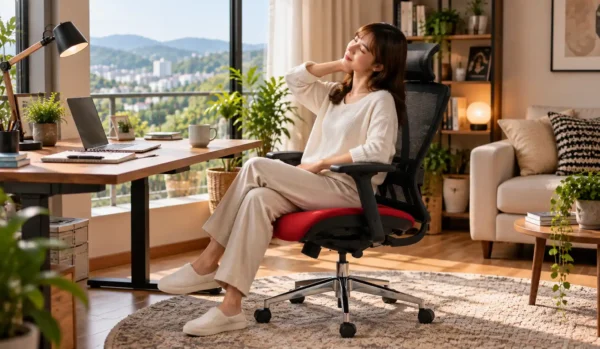
- Ergonomic desks and chairs are essential for maintaining posture, reducing fatigue, and preventing long-term health issues.
- From desks and chairs to storage units and meeting room furniture, each category contributes to a functional workspace.
- Organized offices with efficient storage solutions like cabinets and modular units create a clutter-free environment, which directly enhances focus and time management.
- Modern offices are shifting toward open layouts, but incorporating partitions or acoustic elements helps maintain personal space while encouraging teamwork.
Different Types of Office Furniture
Here is what you need to keep in mind when choosing the right furniture setup for your office:
1. Office Desks
Office desks are the foundation of any workspace. They come in a variety of styles depending on the function and space available. Popular office desk furniture includes executive desks, computer desks, writing desks, and standing desks.
For a modern setup, many businesses are adopting adjustable desks that promote better posture and movement throughout the day. Compact or corner desks make the most of available space in smaller offices without sacrificing usability. A lot of big corporates prefer luxury office furniture designs.
2. Office Chairs
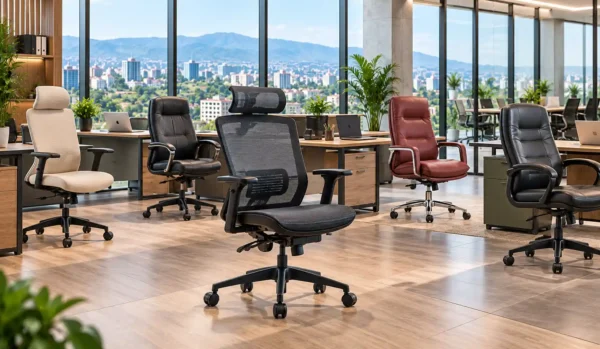
When discussing office desks and chairs, seating plays a critical role in employee comfort. Ergonomic chairs are designed to support posture, reduce back pain, and improve productivity.
There are different types of office chairs, including executive chairs, task chairs, mesh chairs, and conference chairs. Investing in ergonomic office furniture is one of the best decisions for long-term workplace health and efficiency.
3. Office Storage Furniture
Organized workspaces lead to better productivity, and that’s where office storage furniture comes in. Filing cabinets, bookshelves, cupboards, and mobile storage units help keep documents and supplies neatly arranged.
For a clutter-free environment, modern offices often opt for modular storage solutions that blend seamlessly with the overall office furniture design. Efficient storage is especially important for businesses handling large volumes of paperwork or inventory.
4. Workstations and Cubicles
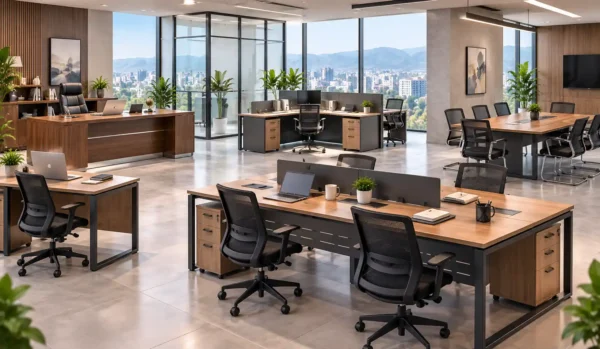
Workstations are essential for collaborative environments. Office workstation furniture includes cubicles, benching systems, and shared desks that allow multiple employees to work efficiently within the same area.
Modern offices are moving toward open-plan workstations that encourage teamwork while maintaining personal space through partitions or acoustic panels. These are ideal office furniture solutions for growing teams and dynamic workplaces.
5. Conference and Meeting Room Furniture
Meeting rooms require specialized furniture that supports collaboration and communication. This includes conference tables, meeting chairs, presentation boards, and media units.
Professional office furniture includes well-designed conference spaces to facilitate smooth discussions, presentations, and client meetings. Investing in high-quality furniture for meeting rooms also enhances your company’s professional image.
6. Reception and Lounge Furniture
The reception area is the first impression visitors have of your office. Reception desks, waiting chairs, sofas, and coffee tables fall under this category.
Stylish and comfortable reception furniture reflects your brand identity and creates a welcoming atmosphere. Many businesses now incorporate modern office furniture ideas such as minimalist sofas and designer seating, to elevate their front-office aesthetics.
7. Breakroom and Cafeteria Furniture
Employee well-being extends beyond workstations. Breakroom furniture includes dining tables, chairs, pantry units, and lounge seating.
Providing a comfortable space for employees to relax improves morale and productivity. This category is an essential part of office furniture for workplace environments that prioritize employee satisfaction.
8. Specialized Office Furniture
Gen Z Office furniture trends include customized or specialized furniture, such as height-adjustable desks, IT server racks, laboratory furniture, or training room setups.
These are part of commercial office furniture designed to meet industry-specific needs. Businesses should assess their operational requirements before selecting such furniture.
Choosing the Right Office Furniture
Selecting the best office furniture for small office or large corporate setups depends on several factors:
- Space availability
- Employee comfort and ergonomics
- Nature of work
- Budget and scalability
- Aesthetic preferences
Brands like Shoppers Stop offer a wide range of options if you are planning to buy office chair in Rwanda to suit different business needs, from affordable office furniture to luxury setups.
Final Thought
Understanding office furniture types is more than a design decision. It’s a strategic step toward a productive, efficient, and healthy workplace. Every element, from office desks and chairs to smart storage and collaborative workstations, affects how smoothly your daily operations run and how comfortable your team is.
A well-planned office furniture setup reduces clutter, improves posture with ergonomic furniture, and promotes focus and collaboration. Thoughtful office furniture design also improves your workplace’s appearance, impressing clients, partners, and employees.
If you want to buy office table in Rwanda, remember that the right office furniture types let you align your workspace with your business goals, whether you’re building or upgrading.
Your workplace is future-ready when you invest in high-quality, functional, and modern solutions that boost productivity, long-term growth, adaptability, and employee satisfaction.
Frequently Asked Questions
-
What are the three types of furniture?
The three main types are residential furniture, commercial furniture (including office furniture), and outdoor furniture.
-
What is office furniture and equipment?
Office furniture includes desks, chairs, storage units, and workstations, while equipment refers to devices like computers, printers, and telecommunication tools.
-
What is the classification of furniture?
Furniture can be classified based on function (seating, storage, surfaces), material (wood, metal, plastic), and usage (home, office, commercial).
-
What are the four components of an office?
The four key components are workspace (desks), seating (chairs), storage (cabinets), and collaboration areas (meeting rooms).
-
What type of material is used for furniture?
Common materials include wood, metal, plastic, glass, and engineered materials like MDF and plywood, often used in modern office furniture.

Hiren Kapadia is the founder of Shoppers Stop, Kigali’s trusted name in office furniture solutions. Since 2007, he has been helping businesses and individuals create productive, comfortable, and stylish workspaces through modern design and reliable service.