
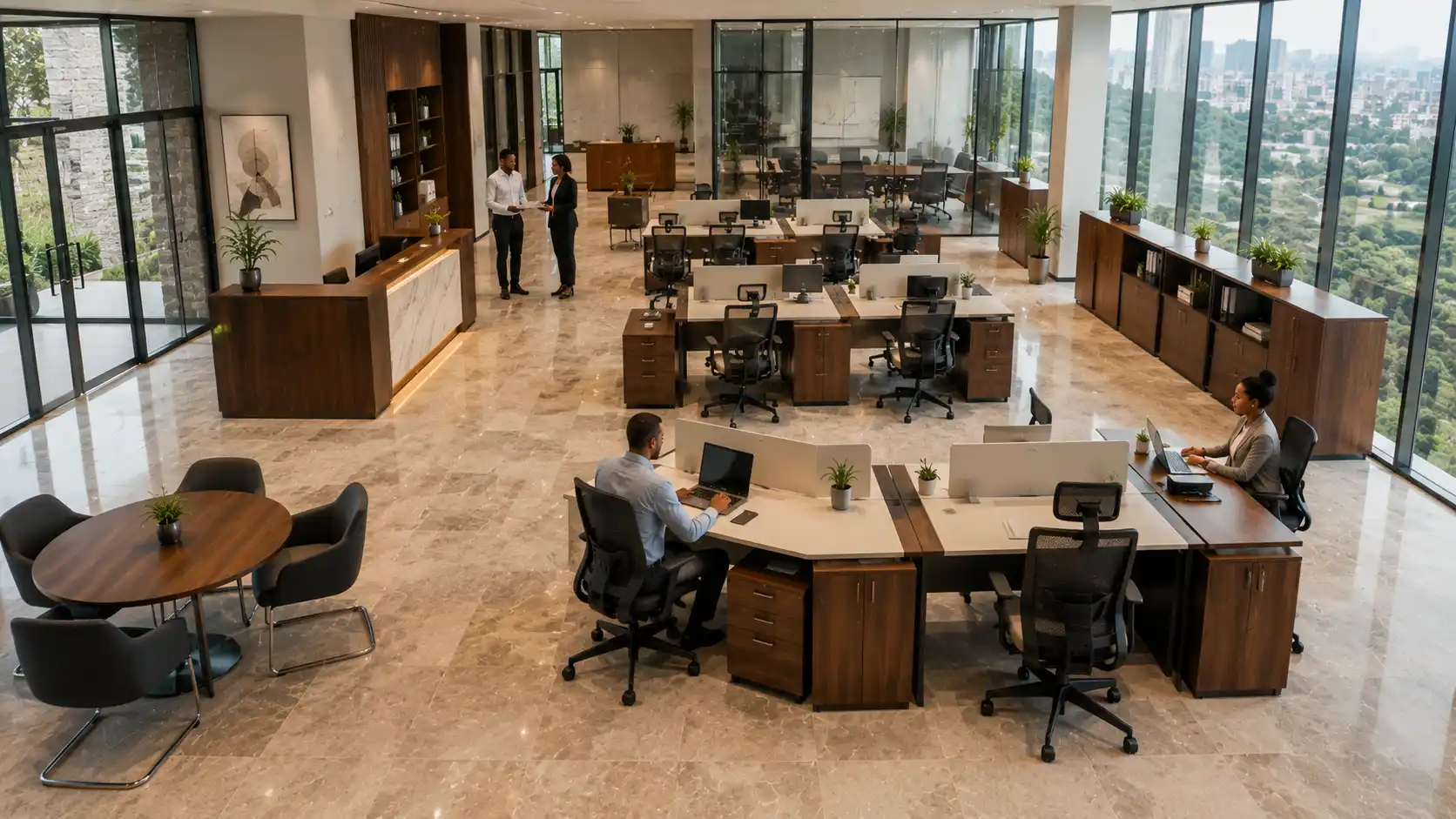
Setting up a new office is exciting, but it’s also one of those projects where small decisions add up quickly. Pieces like desks, chairs, storage, and reception chairs need to all work together, last a long time, and support the people who use them every day.
Yet many businesses in Kigali and across Rwanda still make the same office furniture mistakes when they’re in a hurry to get the doors open, and those mistakes usually cost more to fix later than they would have cost to avoid in the first place. As a company that helps businesses set up their first office, ShoppersStop has seen these mistakes happen many times. If you know what to look for, you can avoid them.
The office furniture planning guide below has the five most common office furniture mistakes businesses make when setting up a new office, along with practical ways to avoid them, from mapping out modern office furniture for your workspace to choosing pieces that hold up long after move-in day.
Key Takeaways
- Before you buy furniture for your office, you should plan how it will be set up. Measuring the space first will help you avoid useless purchases and crowded work areas.
- Focus on getting chairs and desks that are ergonomically designed for the office, as bad ergonomics can have a silent effect on worker health and productivity.
- Choose furniture based on build quality and durability, not just the lowest price, to avoid costly early replacements.
- Plan for business growth with modular workstations and flexible storage rather than fixed, one-size-fits-now furniture.
- Furniture for the front desk and conference rooms is important because it affects first impressions and helps meetings go more smoothly.
- Small offices benefit from space-saving, multi-purpose furniture rather than trying to fit standard-sized pieces into a tight layout.
1. Skipping the Layout Plan Before Buying
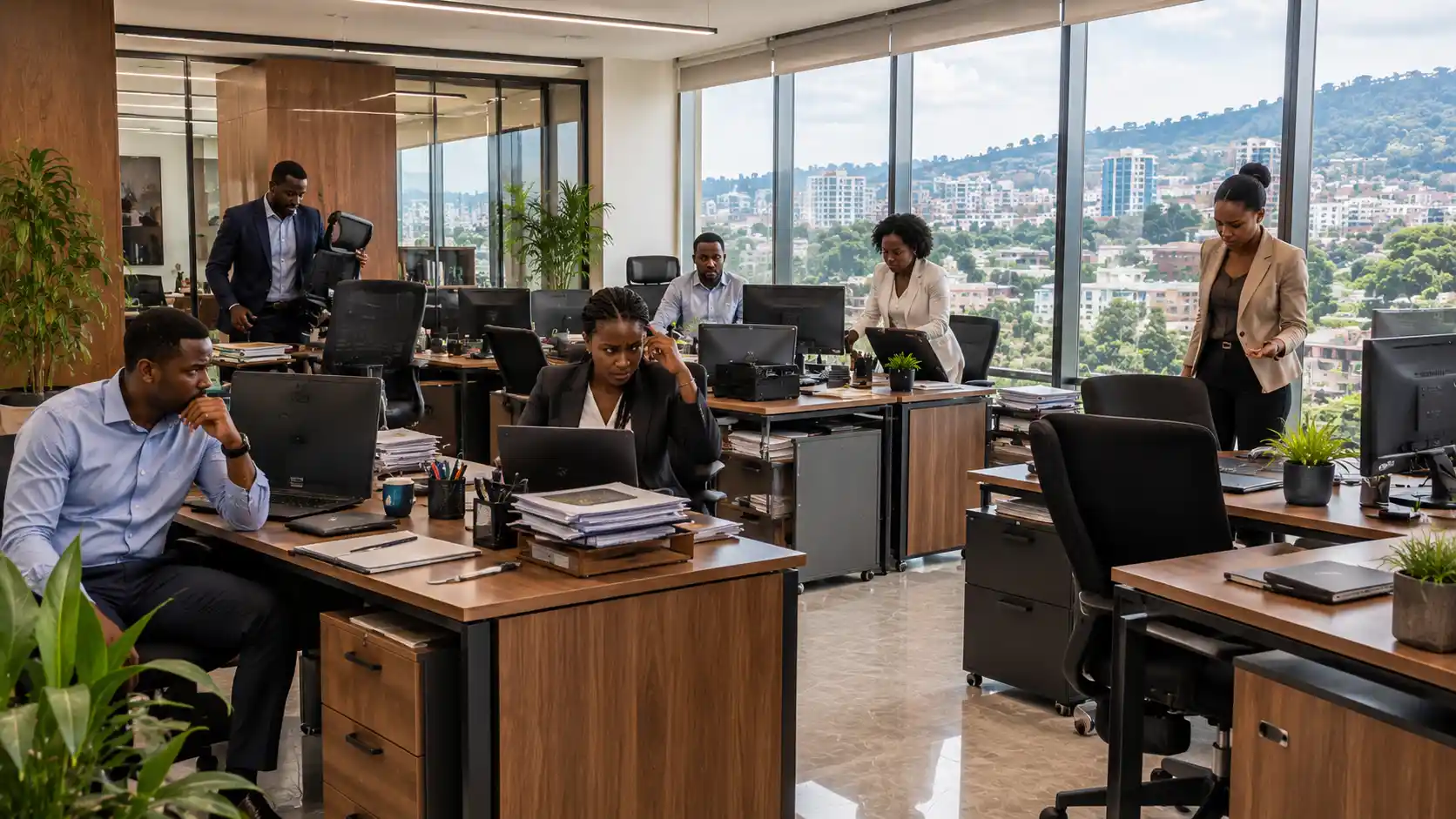
One of the biggest office furniture mistakes is buying pieces before actually mapping out the space. Teams often order desks, workstations, and cabinets based on a rough guess of what will “probably fit,” only to find that walkways are too narrow, meeting rooms feel cramped, or half the furniture ends up in storage because there’s nowhere to put it.
Before placing an order, it’s a good idea to measure the room, make a traffic flow map, and decide how each area will be used. This includes the desks, the reception area, the conference room, and the storage. This single step prevents most of the layout headaches businesses run into later.
2. Choosing Style Over Ergonomics
It’s easy to get drawn to furniture that looks good in photos and forget to check whether it’s actually comfortable to use for eight hours a day. Bad ergonomics show up slowly, like in back pain, tiredness, and less work getting done, so this is one of the worst mistakes you can make when buying office furniture.
Ergonomic office furniture, particularly chairs and desks with proper height and lumbar support, should never be an afterthought. If your team spends long hours at their desks, it’s worth reading up on the Best Office Chairs for Long Hours before making a bulk purchase, since the right chair pays for itself in fewer sick days and better focus.
3. Buying on Price Alone
Budget matters, especially for startups furnishing their first office. But choosing the cheapest office chairs and desks available, without checking build quality or warranty, is a classic office setup mistake that tends to backfire within a year or two. Furniture that wobbles, cracks, or needs replacing quickly ends up costing more than investing in durable pieces the first time around.
This doesn’t mean businesses need to overspend. It means treating furniture as a business investment rather than a one-time expense. Reliable Office Furniture for Business should take into account more than just the price tag on the first day. It should also look at the quality of the materials, the warranty terms, and how well the furniture is likely to hold up under daily use.
4. Forgetting About Growth
Many companies furnish their new office for the team size they have today, without considering where the business will be in two or three years. Businesses that are growing often make this mistake when they buy office furniture: desks and workstations that fit perfectly now leave no room to add staff later, which means they have to pay a lot of money to redecorate later.
Modular office workstations and flexible storage solutions solve this problem well. Businesses that are scaling should look at Smart Office Furniture Solutions that can be reconfigured or expanded as headcount grows, rather than fixed layouts that need to be replaced entirely.
5. Overlooking Reception and Meeting Room Furniture
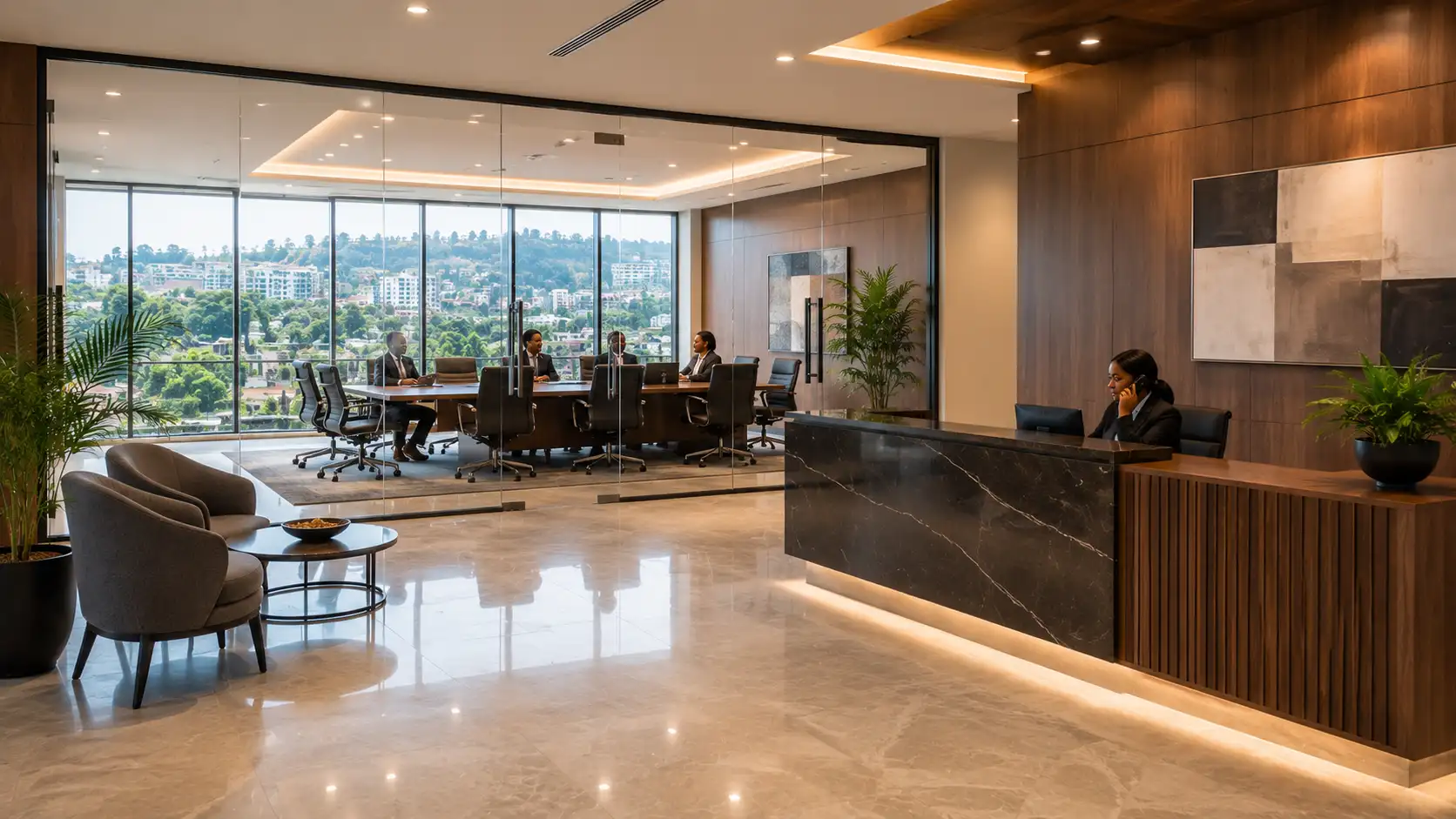
The reception area and conference rooms are often forgotten, but they’re the first and sometimes only parts of the office that clients and visitors see. Mismatched reception chairs, an undersized conference table, or a meeting room that can’t comfortably seat everyone sends the wrong message about how a business operates.
Reception furniture and conference room furniture deserve the same planning attention as desks and workstations.
When setting up a new office, businesses often don’t realise how important it is to have a well-furnished reception area and a conference table that is the right size for the room. These things make a good first impression and help meetings go more smoothly. It also helps to understand the different types of office furniture suited to client-facing spaces versus everyday work areas, since the two rarely call for the same pieces.
A Note on Small and Growing Offices
It’s okay if your business doesn’t have a big floor plan. There are many Small Office Furniture Ideas, like small desks, storage that can be stacked, and furniture that can be used for more than one thing, that can help teams work in spaces that aren’t as big. The goal isn’t to fill every corner; it’s to choose furniture that fits both the space and how people actually work in it.
Getting Office Furniture Right the First Time
Avoiding these five mistakes comes down to one habit: planning before purchasing. Measure the space, prioritize ergonomics, choose quality over the lowest price, plan for growth, and don’t neglect reception and meeting areas. Businesses that follow this order tend to spend less over time and end up with a workspace that actually supports their team.
For businesses in Kigali looking to get it right from the start, it helps to work with a supplier who understands both design and durability. ShoppersStop furnishes offices across Rwanda every day, so if you’re ready to move forward, you can Buy Office Furniture in Kigali, Rwanda directly from a team that knows how to help you avoid these mistakes the first time around.
Frequently Asked Questions
1. What are the most common office furniture mistakes businesses make?
The most common mistakes are buying furniture without planning the layout, prioritizing style over ergonomics, choosing based on price alone, not planning for future growth, and overlooking reception and meeting room furniture.
2. How do I choose the right office furniture for a new office?
Start by measuring your space and mapping out how each area will be used. From there, prioritize ergonomic seating and desks, choose durable materials within your budget, and select pieces that can adapt as your team grows.
3. Why is ergonomic office furniture important for employees?
Ergonomic furniture supports proper posture and reduces strain during long working hours, which lowers the risk of back pain and fatigue while helping employees stay focused and productive throughout the day.
4. How can I select office furniture that fits my workspace?
Measure your available space, including walkways and doorways, before ordering. Consider the number of employees, the layout of workstations, and how much room you need for reception and meeting areas.
5. What should I consider before buying office desks and chairs?
Look at build quality, adjustability, warranty terms, and how the size fits your available space. It’s also worth considering how the furniture will hold up under daily, long-term use rather than just its upfront cost.
6. How does office furniture affect employee productivity?
Comfortable, well-designed furniture reduces physical discomfort and distraction, allowing employees to focus on their work. A well-planned layout also improves movement and collaboration across the office.
7. What type of office furniture is best for startups?
Startups generally benefit from modular workstations, multi-purpose desks, and flexible storage that can be rearranged or expanded as the team grows, rather than fixed, high-cost furniture setups.
8. How can modular office furniture support business growth?
Modular furniture can be reconfigured, added to, or rearranged without needing a full replacement, making it easier and more cost-effective to accommodate new hires or a changing office layout.
9. How often should office furniture be replaced?
This depends on usage and quality, but most well-made office chairs and desks last five to ten years. Furniture should be assessed periodically for wear, comfort, and whether it still supports the way your team works.
10. Where can businesses buy quality office furniture in Rwanda?
Businesses in Kigali and across Rwanda can source ergonomic chairs, executive desks, workstations, reception furniture, and storage solutions from established local suppliers who understand both office design and durability requirements.

