Shoppers

Modern vs Classic Office Tables: Which Style Should You Choose?

The right office table affects productivity, comfort, and how your workspace is perceived, not just design. When comparing Modern vs Classic Office Tables, the choice often depends on functionality, aesthetics, and the kind of work environment you want to create.

Whether you’re setting up a corporate office or a home workspace, understanding different office table styles can help you make a smarter investment.

Key Takeaways

  • Choosing between modern and classic office tables isn’t just a matter of style; it also depends on your work environment, your brand’s image, and your own personal tastes.
  • Modern office desks are ideal for compact spaces, tech integration, and fast-paced work setups.
  • Classic office desks or a traditional office desk bring timeless design, durability, and a strong executive presence.
  • Classic desks offer structure and storage, while minimalist modern setups keep things simple. Pick the one that works best for you based on how you work.
  • Blending both styles (modern and classic office tables) is a growing trend in office furniture design.
  • Use modern designs for office tables for small spaces and classic or executive desk options for larger offices.
  • Matching your desk with chairs and décor enhances overall office table aesthetics and creates a more cohesive workspace.
  • The right office table should be comfortable, help you work efficiently, and look good for years to come, not just today.

Understanding Modern vs Classic Office Tables

At a basic level, the difference between modern and classic tables lies in design philosophy.

Modern office desks focus on simplicity, minimalism, and efficiency. They often feature clean lines, neutral colors, and functional layouts that support technology-driven work.

Traditional office desk, on the other hand, emphasize craftsmanship, elegance, and timeless appeal. These Classic Style Office desks often include intricate detailing, rich wood finishes, and a more authoritative presence.

What Defines Modern Office Tables?

Modern office tables are built for today’s fast-paced, flexible work environments. They prioritize usability and space optimization.

Here are some of the key features of modern office tables:

  • Sleek and minimal designs
  • Lightweight materials like engineered wood, metal, or glass
  • Built-in cable management and tech-friendly features
  • Ideal for office tables for small spaces
  • Often paired with ergonomic seating

Modern designs align closely with current workspace furniture trends, where flexibility and collaboration are key.

If you’re exploring office table designs for startups or home offices, modern desks are often the go-to option due to their versatility.

What Defines Classic Office Tables?

Classic office desks reflect tradition, authority, and durability. They are often seen in executive cabins or formal office setups.

Here are some of the key features of classic office tables:

  • Solid wood construction
  • Detailed craftsmanship and carved designs
  • Rich finishes like mahogany, walnut, or oak
  • Built-in storage like a traditional desk with drawers
  • Larger, more commanding presence

These classic office desks are ideal for professionals who want their workspace to reflect stability and prestige.

Modern vs Traditional Office Furniture Trends

The debate around modern vs. traditional office furniture trends has evolved over the years. Today, businesses are no longer strictly choosing one over the other.

Modern offices lean towards:

  • Open layouts
  • Collaborative spaces
  • Multi-functional furniture

Traditional setups still dominate in:

  • Executive offices
  • Law firms and corporate boardrooms
  • Businesses that value hierarchy and structure

Interestingly, many companies are now blending both to create modern classic office tables, combining clean lines with premium materials.

Which Office Table Style Is Better for Productivity?

When it comes to the best office table style for productivity and design, the answer depends on your work style.

Modern office desks enhance productivity by:

  • Reducing clutter
  • Supporting ergonomic setups
  • Maximising limited space

Classic desks improve productivity by:

  • Offering ample storage
  • Creating a distraction-free, focused environment
  • Providing a sense of permanence and organisation

For creative and collaborative roles, modern desks tend to perform better. For leadership roles or work requiring deep focus, classic desks often have the edge.

Read More: Electric vs Manual Height Adjustable Tables

Office Table Design Ideas for Small and Large Spaces

Choosing between types of office tables also depends on your available space.

For Small Spaces

  • Compact modern desks
  • Wall-mounted or foldable designs
  • Multi-purpose workstations

If you are in search of space-saving desk designs for small offices, remember to look online, as you will find multiple options to choose from among the best brands.

For Large Spaces

  • Executive classic desks
  • L-shaped or U-shaped configurations
  • Statement tables that enhance office table aesthetics

If you’re working with limited space, modern designs are far more practical. However, larger offices can benefit from the elegance of classic office tables for sale.

Tips for Matching Office Tables with Chairs and Décor

Creating a cohesive workspace means aligning style, comfort, and functionality. Here are some practical tips to help you bring everything together:

Here are some quick tips:

Match desk style with the right chair

Pair modern office desks with ergonomic, minimal chairs in neutral tones. For classic office desks or a traditional desk with drawers, choose high-back leather or upholstered chairs for a more refined look.

Keep décor aligned with the desk style

Modern setups work best with clean, minimal décor like sleek lamps or small indoor plants. Classic setups benefit from warmer elements like wooden accents, framed artwork, and soft lighting.

Maintain a consistent color palette

If you want your office tables and chairs to look like they belong together, stick to a set of colors. This could be black and white, earthy wood tones, or soft pastels.

Balance materials thoughtfully

If your desk includes metal, glass, or wood, reflect those materials subtly in other elements like shelves, chairs, or accessories to enhance overall office table aesthetics.

Prioritise comfort and usability

While design matters, always choose furniture that supports your daily work. Ergonomics and functionality should go hand in hand with your chosen office furniture design.

Avoid over-cluttering the workspace

Keep only essential items on your desk. A clean layout improves focus and complements both modern and classic office table styles.

These small adjustments can elevate your overall office furniture design significantly.

Can You Mix Modern and Classic Styles?

Yes, and more and more people are doing this.

Blending modern and classic styles allows you to:

  • Maintain functionality while adding character
  • Create unique, personalised workspaces
  • Adapt to both formal and informal work settings

For example, a modern desk with classic wooden accents or a traditional desk paired with modern lighting can strike the perfect balance. If you are seeking Office Furniture in Kigali, Rwanda, remember you need to look for the best brands.

Making the Right Choice for Your Workspace

Before choosing between Modern vs Classic Office Tables, consider the following:

  • Nature of your work
  • Available space
  • Storage requirements
  • Brand image and office culture
  • Budget

If you’re seeking premium Executive desk options or planning to buy office Tables in Kigali, Rwanda, brands like Shoppers Stop offer a wide range of office tables for sale, catering to both modern and classic preferences.

These resources can help you dive deeper into selecting the right furniture for your needs.

Frequently Asked Questions

What is the difference between modern and classic office tables?

Modern tables focus on minimalism and functionality, while classic tables emphasize design, craftsmanship, and traditional aesthetics.

What is the difference between a traditional office and a modern office?

Traditional offices are more structured and formal, whereas modern offices prioritize flexibility, collaboration, and open layouts.

Which office table style is better for productivity?

Modern desks are better for flexibility and tech use, while classic desks are ideal for focused, uninterrupted work.

Can modern and classic office tables fit in the same office?

Yes, combining both styles can create a balanced and visually appealing workspace.

Are modern office tables suitable for home offices?

Absolutely. Modern desks are perfect for home offices due to their compact and functional design.

How do I choose between a modern and classic office table for my workspace?

Consider your work type, space, storage needs, and overall design preference before making a decision.

Final Thought

The choice between modern and classic office tables isn’t about which is better—it’s about what works best for your workspace.

Modern desks bring efficiency, flexibility, and a contemporary feel, making them ideal for dynamic environments. Classic desks, on the other hand, offer elegance, durability, and a sense of authority that never goes out of style.

If you want the best of both worlds, consider hybrid designs that combine functionality with timeless aesthetics. Ultimately, the right office table should support your work style, enhance productivity, and reflect your professional identity.

5 Hidden Problems with Your Office Chair That Cause Back Pain

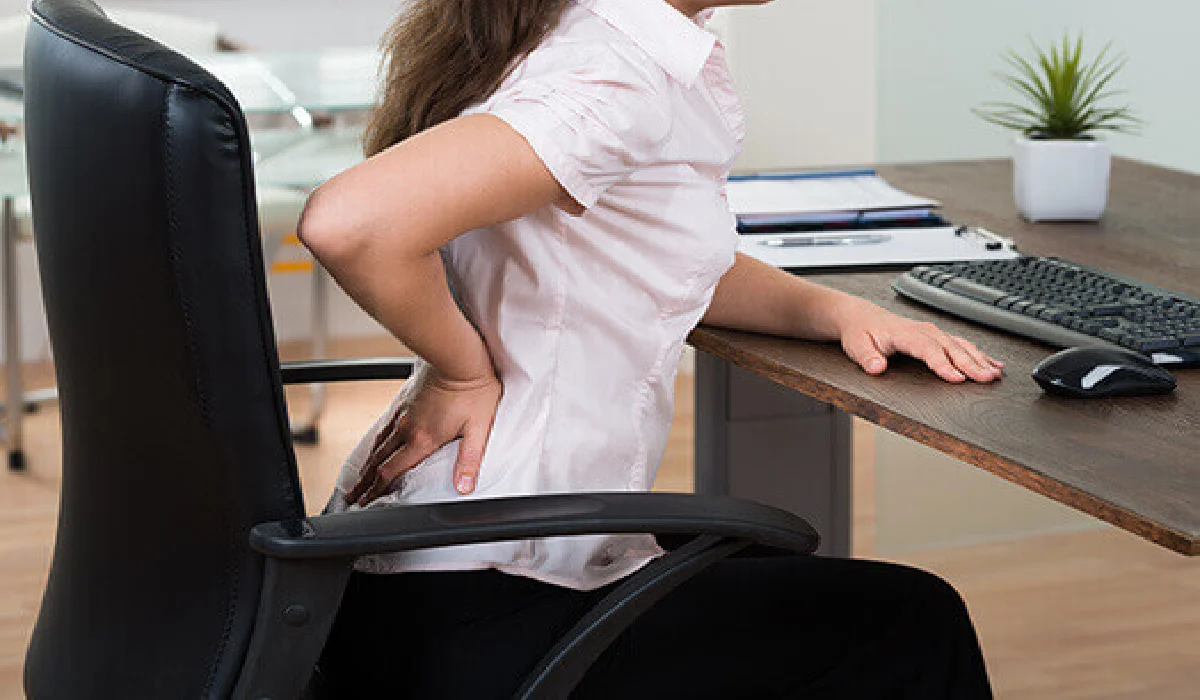
If you are always uncomfortable at your desk, it could be your office chair that is to blame. A lot of professionals think their back pain is caused by working long hours, but the truth is that back pain from office chairs is often caused by small design and posture problems that people don’t even notice. These small issues become big ones over time, causing stress, bad alignment, and less work to be done.

The problems with your office chair that you might not be aware of could be hurting your back. Let’s talk about what you can do about them.

Key Insights

  • Office chair back pain is often caused by hidden issues like poor lumbar support, incorrect height, and lack of upper back support.
  • Bad armrest positioning and long sitting hours worsen posture and lead to chronic discomfort.
  • Most office chair problems come from poor ergonomics, not just long working hours.
  • Simple fixes like adjusting seat height, improving posture, and taking breaks can reduce pain significantly.
  • Choosing the right ergonomic chair with proper support is key to preventing long-term back issues.
  • A well-designed ergonomic workspace setup improves comfort, productivity, and spinal health.

Common Problems with Your Office Chair That Can Cause Backpain

Let us take a look at some of the common problems with office chairs that can lead to back pain with time:

1. Poor Lumbar Support Is Slowly Damaging Your Spine

One of the biggest causes of lower back pain office work is inadequate lumbar support. Your spine has a natural inward curve, and when your chair doesn’t support it properly, your lower back collapses into a slouched position.

This creates pressure on spinal discs and leads to office chair back support issues over time. Many chairs either lack lumbar support completely or have poorly positioned support that doesn’t align with your spine.

If you often feel stiffness in your lower back after sitting, your chair is likely failing you here. Choosing an Office chair for lower-back pain can significantly improve spinal alignment and reduce long-term strain.

2. Incorrect Seat Height Disrupts Your Posture

Your chair height directly impacts your posture. When it’s too high, your feet dangle, increasing pressure on your thighs. When it’s too low, your knees rise above your hips, tilting your pelvis unnaturally.

Both scenarios lead to sitting posture problems and eventually cause desk chair back pain causes like muscle fatigue and spinal compression.

To fix this, ensure:

  • Your feet are flat on the ground
  • Knees are at a 90-degree angle
  • Hips are slightly higher than knees

These small adjustments are crucial for maintaining proper workstation ergonomics and avoiding chronic pain.

3. Lack of Upper Back and Neck Support

Most people focus only on lumbar support, but neglecting the upper back can lead to upper back pain from office chair usage. Chairs without adequate backrest height or head support force your shoulders to hunch forward.

One of the most common problems with ergonomic office chairs is that they make your neck and upper spine tense.

If you spend long hours working, consider switching to an executive high-back leather chair or comparing options like high-back chair vs medium-back chair to ensure proper support for your entire spine.

4. Armrests That Work Against You

Improper armrest positioning is a hidden but major contributor to poor office chair ergonomics. If your armrests are too high, your shoulders elevate unnaturally. If they’re too low, your arms hang and strain your upper back.

This imbalance leads to bad posture office chair habits and long-term discomfort.

Ideally, your armrests should:

  • Keep your elbows at a 90-degree angle
  • Allow your shoulders to relax naturally
  • Align with your desk height

Ignoring this can worsen back pain from sitting long hours and even lead to repetitive strain injuries.

5. Sitting Too Long Without Movement

Even the best ergonomic chair cannot protect you from the effects of prolonged sitting. Staying in one position for hours leads to reduced blood flow, muscle stiffness, and ergonomic seating problems.

This is why sitting all day causes back pain at work, is a growing concern among professionals.

To prevent this:

  • Take short breaks every 30–45 minutes
  • Stretch or walk around
  • Practice healthy sitting habits

Combining movement with the right chair setup is key to effective back pain relief at desk.

How to Fix These Office Chair Problems?

Improving your setup doesn’t always require a complete overhaul. In many cases, small and practical changes can make a significant difference in reducing office chair back pain and improving your overall comfort at work.

  • Start by choosing the right type of chair for your needs. Exploring Different Types of Office Chairs can help you understand what suits your body and work style best. For instance, a MID BACK ERGONOMIC CHAIR is ideal for moderate sitting hours, while a high-back chair provides better support for your neck, shoulders, and spine. Selecting the right chair can instantly improve your posture and reduce strain.
  • Next, focus on ergonomic design. A well-designed chair should support your natural posture and allow adjustments based on your body. Look for features like adjustable lumbar support, seat height customization, and a flexible backrest. These elements play a key role in preventing long-term office chair problems and maintaining proper alignment throughout the day.
  • Material is another important factor that often gets overlooked. The choice between mesh and leather can impact your comfort, especially during long working hours. Mesh chairs offer better airflow and are more breathable, while leather chairs provide a firm, premium feel. Understanding the differences in Mesh vs Leather Office Chair options can help you make a more informed decision.
  • If you spend extended hours at your desk, upgrading your chair becomes essential. Investing in one of the best office chairs for long hours ensures better cushioning, improved adjustability, and proper back support. This not only enhances comfort but also helps prevent sitting long hours back pain and other posture-related issues.
  • Finally, make sure you buy from a reliable source that offers quality and durability. Exploring options like Buy Office Chair in Kigali, Rwanda, can help you find ergonomic solutions designed for modern workspaces. Buying a good chair isn’t just a purchase; it’s an investment in your health and productivity in the long run.

Frequently Asked Question

1. What are 5 red flags of low back pain?

Persistent pain lasting more than a few weeks, numbness or tingling, pain radiating down the legs, difficulty standing or walking, and loss of bladder or bowel control are major warning signs. These may indicate underlying conditions and require medical attention.

2. What is the most unhealthy sitting position?

Slouching forward with rounded shoulders and no back support is the worst position. It puts maximum strain on the spine and leads to long-term posture and alignment issues.

3. Which sitting position is best for the spine?

The ideal position keeps your back straight, shoulders relaxed, feet flat on the ground, and knees at hip level. Proper lumbar support for office chair use is essential to maintain this posture.

4. What are the big 3 for lower back pain?

The “Big 3” exercises often recommended are curl-ups, side planks, and bird dogs. These strengthen the core and stabilize the spine, helping reduce pain over time.

5. What vitamin deficiency causes back pain?

Vitamin D deficiency is commonly linked to back pain, as it affects bone strength and muscle function.

6. How many hours a day should you be sitting?

Ideally, you should limit sitting to 6–8 hours a day and take breaks every 30–45 minutes to reduce strain and improve circulation.

Conclusion

When you have back pain, it’s not always about how long you sit. It’s about how you sit. Office chair back pain can often be traced to overlooked issues like inadequate lumbar support, incorrect seat height, poor upper back support, and improperly positioned armrests.

By addressing these hidden problems and following proper office chair adjustment tips, you can significantly improve your comfort, posture, and overall productivity. Choosing the right chair and setting up your workspace correctly isn’t just about immediate comfort—it’s a long-term investment in your health. With quality options available at Shoppers Stop, creating an ergonomic and supportive workspace has never been easier.

What Is the Best Office Chair to Sit in with Lower Back Pain?

Lower back pain has become one of the most common problems among professionals today, especially for those who spend long hours sitting at a desk. Whether you are working from home or in an office, your chair plays a crucial role in determining how your spine feels at the end of the day.

Choosing the right Office Chair for Lower Back Pain is crucial. The right chair supports your spine, improves posture, and reduces long-term strain, plus provides comfort.

In this guide, we will explain what makes a chair good for back pain, the different types of office chairs, and how to choose the best one.

Key Insights

  • Proper lumbar support is the most important feature in any chair designed for lower back pain.
  • Adjustable chairs help align your spine, reducing unnecessary pressure.
  • Ergonomic chairs are specifically designed for posture and long sitting hours.
  • Sitting posture plays a major role in preventing and managing back pain.
  • Even the best chair needs to be paired with regular movement and breaks.
  • Choosing the right chair can significantly improve comfort, productivity, and spinal health.

Why Your Chair Matters for Lower Back Pain?

The human spine is naturally designed with gentle curves that help distribute body weight and absorb stress. When you sit for long hours, especially on a bad chair, these natural curves flatten. 

A chair without proper support forces your body into unhealthy positions. You might start slouching, leaning forward, or sitting unevenly without even realising it. 

This is why buying the right ergonomic chair for back pain is about prevention, not just comfort. A comfortable chair supports your spine’s natural curve, aligns your posture, and reduces lower back stress from long sitting.

Your chair directly affects your spine when you sit. An office chair with lower back support helps maintain proper alignment, reduces strain, and keeps your body in a healthier position during long work sessions.

What Makes the Best Office Chair for Lower Back Pain?

Here is what makes the best office chair for lower back pain:

Lumbar Support (Most Important):

A good lumbar support chair maintains the natural inward curve of your lower spine. Without it, your back tends to flatten, increasing pressure on spinal discs. Adjustable lumbar support is ideal, as it allows you to customize the fit.

Adjustability (Height, Tilt, Armrests):

Office Chairs for Pain Relief should adapt to your body. Seat height should allow your feet to rest flat on the floor, while tilt and recline functions reduce spinal pressure. Adjustable armrests help prevent shoulder and upper back strain.

Seat Depth and Width:

The seat should support your thighs without pressing against the back of your knees. Proper seat depth ensures even weight distribution and prevents unnecessary stress on the lower back.

Seat Cushioning and Comfort:

A chair should be neither too soft nor too firm. Excessively soft seats lack support, while tough seats create pressure points. Balanced cushioning helps maintain comfort during long sitting hours.

Backrest Design and Support:

A high-quality backrest supports the entire spine, not just the lower back. Reclining functionality allows dynamic sitting, which reduces stiffness and promotes better posture.

Material and Breathability:

Mesh chairs offer better airflow and are ideal for long working hours, especially in warmer environments. Cushioned fabric or leather provides a softer feel but should still maintain proper support.

Stability and Build Quality:

A sturdy frame and durable base ensure long-term use  without compromising posture. A poorly built chair can lose support over time, leading to discomfort.

Types of Good Office Chairs for Back Pain

Here are some of the common types of good office chairs for back pain:

Ergonomic Chairs:

These are the most recommended good office chairs for back pain because they are specifically designed to support posture. They come with adjustable lumbar support, seat height, armrests, and backrest tilt. If you’re looking for office chairs for long hours, ergonomic chairs are the safest and most reliable choice.

Mesh Chairs:

Mesh chairs are known for their breathability and comfort during extended sitting periods. The flexible mesh back adapts to your spine and often includes built-in lumbar support. They are ideal for people who want a lightweight and comfortable office chair for lower back support.

Executive Chairs:

Executive chairs offer plush cushioning and a premium feel. While they are comfortable, not all of them provide proper ergonomic support. If choosing this type, make sure it includes adequate lumbar support and adjustability to function as a comfortable chair for back pain.

Kneeling Chairs:

Kneeling chairs encourage an open hip angle and a more upright posture, which can reduce pressure on the lower back. However, they may not be suitable for long hours initially and are better used as a secondary seating option.

Saddle Chairs:

Saddle chairs position your body similarly to sitting on a horse, promoting a natural spine alignment. They help reduce slouching and improve posture but may require some time to get used to.

How to Choose the Best Chair for Lower Back Pain?

Here is how you can choose the best chair for lower back pain:

Consider Your Daily Sitting Hours:

If you sit for 6–8 hours, a standard ergonomic chair with basic lumbar support may be enough. For 8+ hours, invest in a premium Office Chair For Long Hours with advanced adjustability and better cushioning to reduce fatigue.

Check Lumbar Support First:

The chair should support the natural curve of your lower back. An adjustable lumbar feature is ideal because it allows you to align the support exactly where your spine needs it.

Ensure Proper Adjustability:

A good office chair for lower back pain should allow you to adjust seat height, backrest tilt, and armrests. This helps you maintain proper posture, with feet flat on the floor and knees at a 90-degree angle.

Match the Chair to Your Body Type:

Seat depth, width, and backrest height should suit your body. A chair that is too deep or too shallow can create pressure points and reduce support.

Evaluate Seat Comfort and Material:

Choose cushioning that supports your weight without sinking too much. Breathable materials like mesh are ideal for long hours, while cushioned seats provide a softer feel.

Check Desk Compatibility:

Your chair should align well with your desk height and workspace setup. Poor alignment can lead to awkward posture, even if the chair itself is ergonomic.

Look at Build Quality and Durability:

A well-built chair maintains its structure and support over time. Investing in quality ensures consistent back support and long-term comfort.

Test Before Buying (If Possible):

Sitting in the chair before purchasing helps you understand how it supports your back. Comfort and fit can vary from person to person.

Frequently Asked Questions

Which is the best office chair for back pain?

The best option is an ergonomic chair with adjustable lumbar support, seat height, and backrest tilt to maintain proper spinal alignment.

Which chair is best for long sitting hours?

An Office Chair For Long Hours with breathable material, strong lumbar support, and multiple adjustment features is ideal for extended use.

Can an office chair fix back pain?

An office chair can reduce discomfort and improve posture, but it should be combined with regular movement, stretching, and proper ergonomics.

How to pick a good office chair?

Focus on lumbar support, adjustability, seat comfort, and compatibility with your desk setup.

What are five red flags for low back pain?

Persistent pain, numbness, weakness in the legs, difficulty standing or walking, and discomfort after an injury are key warning signs.

What are the three big ones for lower back pain?

The “big 3” exercises include planks, bird dogs, and curl-ups, which help strengthen the core and support the spine.

What vitamin deficiency causes back pain?

Vitamin D deficiency is commonly linked to lower back pain and bone-related discomfort.

Final Thoughts

You can buy office chair in Kigali, Rwanda, that will help alleviate lower back pain, protect your spine, and improve your quality of life, not just your comfort. The best place to look for such office chairs is Shoppers Stop where you will get a wide variety of options and that too at a good price. A well-designed chair supports your posture, reduces strain on your lower back, and helps you stay productive during long working hours.

However, it’s important to remember that no chair alone can eliminate back pain. The best results arise from combining the right chair, proper sitting posture, and regular movement throughout the day.

If you invest in a chair with good lumbar support, proper adjustability, and long-hour comfort, you are taking a proactive step toward better spinal health. Over time, this small change can make a significant difference in how your body feels during and after work.

Gen Z Office Furniture Trends Every Business Must Embrace in 2026

Walk into a modern office today, and you will quickly notice something has changed. Gone are the dull cubicles, stiff chairs, and uninspiring layouts that once defined workplace culture. 

For Gen Z, an office is more than just a place to clock in and out. It is a space that supports creativity, mental well-being, collaboration, and self-expression. This generation grew up surrounded by smart technology, flexible learning environments, and visually driven digital platforms, so naturally, they expect workplaces to reflect the same energy.

Businesses that understand and adapt to these evolving Gen Z office furniture trends are already seeing better engagement, stronger productivity, and higher employee satisfaction. As we move toward office furniture trends 2026, companies must rethink traditional setups and embrace innovative, flexible, and aesthetic workspace solutions that resonate with the next generation of professionals.

Key Takeaways

  • Hybrid workspace furniture trends are reshaping office layouts, enabling flexibility and collaboration.
  • Tech-friendly office furniture supports Gen Z’s digital workflow, increasing efficiency and organization.
  • Workplace aesthetics and personalization strongly influence employee engagement and retention.
  • Sustainable and multifunctional furniture solutions align with Gen Z values and future workplace demands.

Why Gen Z Workplace Design Is Transforming Office Furniture

Gen Z workers prioritize flexibility, creativity, and personalization more than previous generations. According to a Deloitte Global Gen Z Survey, over 70% of Gen Z employees prefer workplaces that support flexibility and wellness-focused environments. This shift is driving innovation in modern office furniture for Gen Z, blending comfort with collaboration. Businesses are now investing heavily in furniture styles for Gen Z employees to improve engagement and productivity.

Gen Z Office Furniture Trends to Look For

Ergonomic Furniture Is No Longer Optional

One of the most dominant Gen Z office furniture trends is the growing demand for ergonomic comfort. Gen Z workers are highly aware of physical wellness and posture health, largely due to their early exposure to digital screens and remote learning.

Modern companies are prioritizing ergonomic furniture that improves comfort and reduces workplace fatigue. Adjustable desks, posture-supporting chairs, and height-flexible workstations are becoming essential components of office desks and chairs for Gen Z.

Businesses searching for reliable solutions often invest in high-quality ergonomic seating like an Ergonomic chair for Gen Z, which supports long working hours while maintaining spinal alignment.

Hybrid Workspace Furniture Trends Are Reshaping Offices

The hybrid work culture has permanently changed office furniture trends. Gen Z expects seamless transitions between remote work and in-office collaboration. This demand has led to the rise of hybrid workspace furniture trends featuring portable desks, modular seating, and foldable workstations.

Modern offices now incorporate:

  • Mobile work pods
  • Foldable or movable workstations
  • Multipurpose collaboration zones

These flexible office furniture solutions support dynamic work styles and allow businesses to adapt quickly to workforce changes.

Tech-Friendly Office Furniture Is Becoming Essential

As digital natives, Gen Z employees expect workspaces to support technology integration. Tech-friendly office furniture is now a central part of contemporary office furniture ideas.

Furniture designs now include:

  • Built-in charging ports
  • Wireless connectivity integration
  • Smart desks with memory height settings
  • Cable management systems

Businesses investing in advanced Workstation and Office Desk setups are improving workflow efficiency while reducing clutter, aligning perfectly with modern productivity expectations.

Affordable and Sustainable Furniture Is Gaining Popularity

Sustainability remains a major priority for Gen Z workers. Many businesses are exploring affordable office furniture ideas for Gen Z teams while maintaining eco-friendly standards.

Popular sustainable furniture trends include:

  • Recycled material desks
  • Sustainable wood office tables
  • Modular furniture with long lifecycle value

Organizations sourcing Office furniture in Rwanda and exploring options to buy office tables in Kigali are increasingly prioritizing sustainability and cost-effectiveness while meeting modern design expectations.

Multifunctional Workstations Support Flexible Work Culture

One of the fastest-growing creative workspace furniture concepts is multifunctional workstation design. These multifunctional workstations combine storage, collaboration spaces, and personal work zones within single furniture units.

These innovative adaptive workplace layouts are especially beneficial for startups and organizations seeking the latest Gen Z office furniture trends for small businesses.

Ergonomic Seating Solutions for Gen Z 

Advanced ergonomic seating solutions for Gen Z workers combine comfort with technology. Many chairs now include lumbar adjustment, breathable mesh materials, and posture correction features. These features significantly improve workplace comfort trends and overall productivity.

Personalized workspace environments rank among the strongest Gen Z office culture and furniture preferences. Employees prefer furniture that allows customization, such as adjustable lighting, personalized desk accessories, and flexible seating options.

Frequently Asked Questions

What types of office furniture improve productivity for Gen Z workers?

Furniture that promotes flexibility, ergonomic support, and collaborative engagement significantly improves productivity. Adjustable desks, multifunctional workstations, and collaborative seating arrangements help Gen Z perform efficiently.

Are ergonomic office furniture trends popular with Gen Z?

Yes. Ergonomic furniture remains one of the most important office furniture trends 2026, as Gen Z prioritizes health, comfort, and long-term wellness in their workplace environment.

How can businesses design offices that attract Gen Z talent?

Companies should focus on flexible layouts, technology-integrated furniture, wellness-focused seating, and visually appealing workspace aesthetics that reflect creativity and company culture.

What type of office furniture does Gen Z prefer most?

Gen Z prefers multifunctional workstations, ergonomic chairs, collaborative furniture, and minimalist design elements that support personalization and flexibility.

Final Thought

Gen Z is redefining how workplaces should look, feel, and function. Businesses that invest in flexible layouts, ergonomic furniture, and visually engaging workspace designs are more likely to attract and retain young talent. Adapting to these evolving office furniture trends is no longer optional, it is essential for improving productivity, boosting employee satisfaction, and staying competitive in the future workplace landscape.

If your business wants to stay ahead in talent retention and productivity, now is the time to invest in modern office furniture for Gen Z. Explore innovative workspace solutions, ergonomic seating, and future-ready workstation designs at Shoppers Stop and experience furniture that inspires creativity and efficiency.

Top Workstation Setups for Maximum Productivity in 2025

Most of us spend hours at our desks every day. And yet, many of us still work in setups that leave us stiff, tired, or constantly distracted. In 2025, people are moving toward simple, functional spaces that support focus, comfort, and peace of mind.

Whether you’re working from a busy office, a quiet home corner, or setting up a new space in Kigali, Rwanda, your workstation setup matters. The goal is not just to look good, but to feel good too. 

Let’s explore some of the most practical and inspiring ideas regarding office furniture in Kigali, Rwanda

Top workstation setups for productivity in 2025

Here are some of the top workstation setups for productivity in 2025.

4-Way Workstation

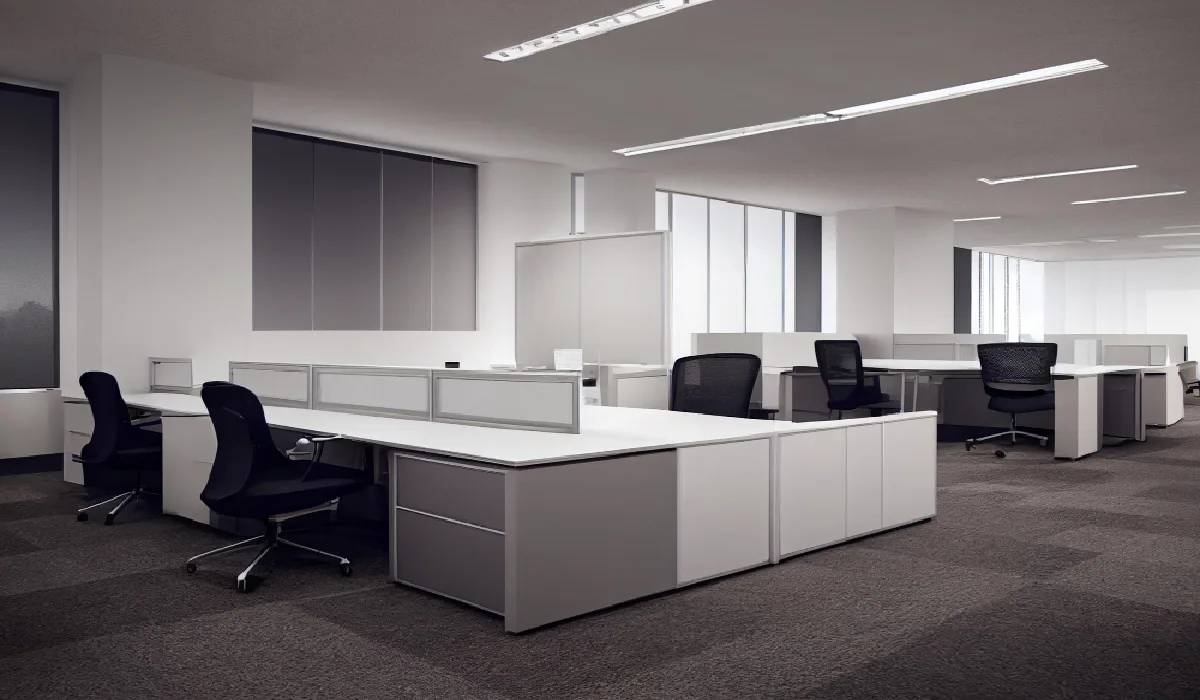
When people need to share office space, a 4-way desk is a good choice. There are screens or dividers between each user’s area, but they are still close enough to work together. It looks nice, saves room, and helps people keep their personal space in a shared space.

This set-up is now preferred by many offices in Kigali because it helps teams work together without making the space feel crowded. It also complements square or open floor plans.

Standing Desk Setup

This standing desk setup allows you to raise or lower your desk height depending on your task or mood. Pair it with a soft anti-fatigue mat and you’ll notice the difference within a week. It’s an excellent choice for home offices and shared spaces that want to give flexibility to employees.

2-Seater Workstation Desk

This type of 2-Seater Workstation Desk is ideal for pairs. Maybe you and a teammate or a partner working beside you can share this one. It fits nicely in compact offices, shared apartments, or small business setups in Kigali. With enough room to work side-by-side and still keep your tools organized, this layout supports both focus and teamwork.

4-Way L-Workstation Desk

This type of desk has L-shaped places for four people, which means they can use more surface area without taking up more space. This desk is ideal for tasks requiring multiple screens, drawing, or planning documents. Even though everyone stays in the same place, they each get a little more room to move around.

It is very popular among design companies and tech teams throughout Kigali that aim to complete work quickly.

Ergonomic Desk Setup

An ergonomic desk setup is all about supporting your body. From desk height to keyboard placement, every element is placed intentionally. It’s ideal for people who spend long hours at the desk—writers, designers, or anyone working with focus. It may not look flashy, but it’s built to take care of your health while you work.

You can find plenty of these options through Office Workstation Furniture Online in Rwanda, especially from platforms like Shoppers Stop, where affordability meets function. Check out the official site for the best and affordable Office Furniture.

Things to remember when looking for compact workstation ideas for small spaces

Here are a few things to keep in mind when you are looking for compact workstation ideas for small spaces –

Comfort makes a difference.

If your body feels off, it shows in your work. That’s why many people are now choosing ergonomic setups. These are built to reduce strain, improve posture, and help you stay focused for longer stretches.

You don’t need to spend a fortune. A supportive chair, the right screen height, and a bit of breathing room on your desk can completely change how your day feels. Add a soft cushion, a footrest, or a wrist support if you need it. Your body will thank you.

Movement during work helps more than you think.

Sitting all day can wear you down. That’s why standing desks are becoming more common. You don’t have to stand the entire time, but simply switching positions can refresh your energy.

People who use a mix of sitting and standing say they feel less worn out and more mentally alert. Some desks adjust with a crank, while others have electric controls that make the shift easier.

Small space? Big possibilities

Not everyone has a whole room to turn into an office. But you don’t need much to create a productive spot. A little desk near a window, a good chair, and a few shelves can work wonders. Keep it clutter-free. Let in light. Add a plant or a calming print. This way, even a tight corner can feel inviting.

Your tools, your way

The best setups aren’t just about desks and chairs. They’re about how your space supports your everyday tools. A desk that hides cables, holds your monitor at the right height, and has just enough storage can change how you work.

Style that doesn’t shout

Your space doesn’t need to be loud to feel good. Many of the best office desk setups in 2025 have soft lighting, calming tones, and minimal personal items. A small shelf, a framed quote, or a favorite mug can make the space feel more like yours.

Conclusion

If you’re setting up a new workstation in Kigali, Rwanda, at home or in a professional space, you don’t need to start big. You just need to begin thoughtfully. Think about what you truly need. Think about what your body feels like after a long workday. Think about what kind of space helps you breathe better.

Good work happens in good spaces. And in 2025, the best workstations aren’t about trends, they’re about you. 

FAQs

What is the best desk setup for productivity?

Comfortable and distraction-free desks are best. An ergonomic chair, a clean, spacious desk, your monitor at eye level, and a plant or small lamp are typical. 

What is the optimal desk setup?

Your body and workflow benefit from a good desk setup. Keep your screen at eye level, your hands on the keyboard, and your back straight. 

What is a proper workstation setup?

Workstation layout, comfort, and function should be combined. The desk-chair combination is also crucial. When working from home or at a 4-way workstation, everything should support posture, movement, and clarity.

What is the best size desk for a PC setup?

A 48–60-inch desk suits most PCs. This fits your monitor, keyboard, mouse, and possibly another screen. Each section of a 4-way L or 2-seater workstation desk should be wide enough and deep enough to fit all the essentials.

How many types of workstations are in a computer?

Workstations are categorized by use. Single-user, shared, remote-accessible, high-performance graphics and programming workstations are available. Standing, ergonomic, compact, and collaborative desks are furniture options.

What are the best office chairs for long hours of comfort?

Eight or more hours a day at your desk? Your back pain and you are not alone. It’s not enough to just find a comfortable office chair for long hours; you also need to think about your long-term posture, energy, and efficiency. If you’re constantly shifting in your seat, slouching, or feeling sore by midday, your chair might be doing more harm than good.

In this guide, we’ll help you find the best ergonomic office chair for your needs—whether you’re working from home or furnishing a commercial office. We also looked at the best office chairs from Shoppers Stop, which is a reliable place to buy them in Rwanda.

Why It Matters: The Link Between Sitting and Health

A lot of us sit for more than 40 hours a week. You could get poor circulation, back problems, or even less work done if your chair doesn’t have the right lumbar support, adjustable features, or breathable materials.That’s why picking a good chair for long hours is an investment in your well-being.

5 Best Office Chairs for Long Hours of Comfort

Below are some standout options available at Shoppers Stop Africa, ideal for those looking for the most comfortable office chair for extended use.

1. Executive High Back Leather Chair

When it comes to top-notch help, this is the best option. The high back supports your whole upper body, and the padded arms keep your wrists from getting tired. This is the best office chair for executives and managers who want one that will last a long time and look professional.

Why It Stands Out:

  • Plush cushioning
  • Tilt tension and height adjustability
  • Ideal for back support over long durations

2. High Back Chair Mesh HT-7004-AC

This is the best ergonomic chair if breathability is your top priority. Mesh backs keep you cool during long shifts and offer flexible lumbar support.

Best For: Open offices or warm climates

Bonus: The dynamic recline helps reduce pressure on the spine.

3. Gallant High Back Chair SL

Looking for a stylish and comfortable chair for long hours? This one blends a sturdy frame with elegant curves. A popular choice among professionals who value both form and function.

Why You’ll Love It:

  • Sleek leather finish
  • Built for durability and comfort
  • Great mid-range investment

4. High Back Chair Mesh HT-311A

For those experiencing back pain, this ergonomic mesh chair delivers exceptional support. With adjustable lumbar support and headrest, it’s one of the best office chairs for back pain relief.

Highlight: Perfect for all-day use by IT teams, designers, and content creators.

5. High Back Chair Mesh HT-300A

This chair balances affordability and features. It’s a great entry-level pick for those asking: “Which is the best office chair that’s still budget-friendly?”

Best For: Startups and home offices

Features: Ergonomic design, adjustable arms, breathable mesh back

Bonus Tip: What Makes a Great Office Chair?

Here’s what to look for when shopping for the best high-back office chair for long hours:

  • Ergonomic Adjustments: Height, armrests, and lumbar support must be customizable.
  • Breathability: Mesh materials keep you sweat-free.
  • Durability: Look for sturdy bases and high-density foam or leather.
  • Design: Your chair should complement your office aesthetics—especially if clients visit.

Long Hours, No Discomfort: Shop Smart

Shopping online? Browse through curated categories of ergonomic chairs and modern office seating on Shoppers Stop—your go-to brand for the best office chair in Rwanda. Whether you’re upgrading a home setup or buying in bulk for your company, you’ll find reliable choices for every budget.

Final Thoughts

If you have the right office chair, you can feel energized instead of tired and focused instead of fidgety at work. It doesn’t matter if you value flexibility, breathability, or back support—the important thing is to buy a good one.

Want to find the best office chair for long hours in Kigali or somewhere else? Shoppers Stop has a lot of great choices where comfort, style, and durability come together.

👉 Start your upgrade today: Shop Office Chairs

FAQs

What is the best ergonomics for office chairs?

The best ergonomics includes lumbar support, adjustable seat height, tilt tension, and breathable material to reduce fatigue and back strain.

Which type of chair is better?

High-back ergonomic chairs with lumbar support are ideal for long sitting hours. Mesh chairs are great for airflow, while leather chairs offer luxury and padding.

Which type of sitting is best?

A neutral seated posture—feet flat on the floor, knees at 90 degrees, and spine supported—is ideal. This requires a chair that supports natural body alignment.

What is the world’s most comfortable chair?

There is no clear winner when it comes to the most comfortable chair in the world, but high-end adjustable chairs like the Herman Miller Aeron and high-end leather executive chairs are often near the top of the list.

Boost Efficiency with Simple Desk Organisation Hacks

Your employees are the biggest asset for your organisation and you have to retain the top talent. As an employer, you have to consider that they spend a lot of time at their cubicles or desks. If their workspace is messy, it affects how they feel and how well they work. Desk organization isn’t just about looking good. It helps people stay focused, feel better, and get more done.

In busy office life, small changes can bring big results. A clean desk can lower stress and make everyday tasks easier. The good news? You don’t need a full office makeover. You have to consider following amazing office desk organisation tips as well as invest in a good office furniture.

Why Desk Organisation Matters in the Office

A cluttered desk makes the brain work harder. People get distracted easily. They waste time looking for things. It’s frustrating and tiring.

On the other hand, an organised desk,

  • Helps people work faster
  • Lowers stress
  • Saves time
  • Builds better work habits

You don’t have to be perfect to succeed. Making the space work better for your team is what it’s all about.

5 Easy Desk Organisation Tips

1. Keep the Essentials Clos

People often keep too much on their desks. The simple trick to making a habit of tidiness is to constantly remind the employees to keep only necessary things on the desk. Some prefer to have diaries and pens on the desk all the time. Chargers and mouse should be easy to grab so keep these minimalistic things on the desk and rest of the things can be stored away.

2. Use Drawer Dividers and Organisers

Drawers can turn messy fast. Use trays, boxes, or dividers to keep things sorted. There are ready to use and customizable dividers that you can use to store the items. Organisers also help the employees to store a set of different things according to their size and usability.

3. Fix the Cable Mess

Cables and wires create hidden clutter. Use cable clips to tie all the cables, but don’t keep them above the table. You have to make an arrangement so that all clips and cables remain under the table. Trays are another type of organizers that help you sort things better. It makes the desk look neat and helps prevent damage.

4. Use Vertical Space

Go up instead of spreading out. Add shelves or stackable trays. Monitor stands can be used to lift screens and make space for other things. They are handy for creating a more ergonomic workspace by allowing screens to be positioned at eye level, reducing strain on the neck and shoulders.

5. End the Day with a Quick Tidy

Ask your team to take 5 minutes before they leave to clean up their desk. It helps keep things under control.Cleaning up before leaving prevents clutter from accumulating, making the workspace more organized and efficient.

How Good Furniture Helps Organisation

Even the best tips won’t work if the furniture doesn’t help. A smart desk setup makes it easy to stay organised. Look for desks with:

  • Cable holes or trays
  • Built-in storage
  • Enough space for laptops and monitors
  • Comfortable design for sitting and working
The right chair or storage unit also makes a difference. When furniture fits the job, people don’t need to struggle. They can use their space to their advantage, not against it.

Tidy Desks Reflect a Strong Office Culture

Desk organisation isn’t just a personal habit. It’s part of team culture. When one desk is clean, others follow.This creates a ripple effect that fosters a sense of order and professionalism within the team. It also reflects respect for colleagues and contributes to a positive work environment.

Clients and new hires notice too. A neat office sends the message that your team is focused, professional, and well-organised. It’s a simple way to build a better workplace image.

Work Smarter, Not Harder

Our mission at Shoppersstop Rwanda is to create an environment where great work can be done.

By providing the necessary resources, support, and opportunities for growth, we strive to create a workplace that inspires creativity and drives success. Your employees will have a clean and productive workplace if you invest in our diversified product range.
Whether you’re setting up new desks or upgrading old ones, we can help you build a space that works well for your people.

Final Thoughts

A clean desk leads to a clear mind. When the workspace feels right, people can do more with less stress. So take the first step. Make small changes. Start with the desk.

Ergonomic Chairs: Boost Your Team’s Productivity

If your team spends most of their workday seated, the chairs they use matter more than you think. Discomfort at work affects not only posture but also focus and mood.

One well-known workplace wellness study found that when people feel physically supported, their productivity and satisfaction increase. How can someone perform at their best when their back aches by noon? Supporting the body and supporting better work are two of the benefits of the right chair.

The Science Behind Ergonomics and Productivity

While we often talk about motivation and skills in the workplace, physical comfort is the foundation that supports it all. Ergonomic chairs are designed to promote good posture, reduce muscle strain, and help the body feel relaxed even during long hours of sitting.
When employees sit comfortably, they can focus better. Their minds are less distracted by constant shifting or fatigue, which often leads to better problem-solving and task completion. Simply put, a chair that fits well makes work feel less like a burden.
Proper seating also encourages small but important habits like sitting upright and keeping feet grounded with support for the lower back. These little changes can lead to big differences in how someone feels by the end of the day. When people feel better, they work better.

The Business Case for Ergonomic Investments

Investing in ergonomic furniture isn’t just about keeping up with trends. You can take it as creating a workplace where people can thrive. While the cost of a well-designed chair might seem like an extra expense at first, it can reduce other hidden costs like burnout and frequent absenteeism.
Moreover, when employees notice that their comfort and well-being are being prioritized, it builds trust. You can notice the ripple effect like happy employees tend to stay longer in your organization and work more efficiently. Businesses that invest in comfort often find it easier to attract and retain top talent.

Many forward-thinking companies today are revisiting their office setups and realizing that seating is not just a design element.

Implementation Strategies

Upgrading your office furniture in Kigali, Rwanda doesn’t need to be overwhelming. Start small by replacing the chairs in high-traffic areas or departments that require long desk hours. Test out a few models with your team to see what works best.

When choosing ergonomic chairs, look for features that offer flexibility and comfort:

  • Adjustable seat height and back support
  • Good lower back (lumbar) support
  • Breathable, cushioned material
  • Sturdy armrests and mobility for easy movement
If your team works hybrid or remotely, consider supporting them with furniture tips or small home office upgrades.
The best chair is only helpful if people know how to use it well. Sharing quick adjustment guides or offering setup help can make a big difference. Every team is diverse, and be mindful that what works for one might not work for another, so be open to flexible solutions.

5 Signs Your Team Might Need Better Chairs

  • People often stand up to stretch or move around to ease discomfort
  • Frequent complaints about back, neck, or shoulder pain
  • Teams feel tired or drained by mid-day
  • Workspace chairs look worn out or lack adjustability
  • Productivity or morale seems lower despite other efforts

At Shoppersstop Rwanda, we work with businesses that want to create spaces where people feel at ease, not just seated. From reliable seating options to helpful guidance on setup, we’re here when you’re ready to take that step.

To Sum Up

An ergonomic chair supports focus, comfort, and better work. If your team spends hours at their desks, investing in how they sit is a smart place to start. Sometimes, the best way to show you value your people is by helping them feel at ease, every single day. Your office can benefit from this quiet upgrade, so upgrade it today.