Walk into any well-run office today and you’ll notice something: the furniture works as hard as the people using it. Office tables are no longer just flat surfaces to hold a laptop and a coffee cup. They’ve become part of how a business functions day to day, influencing everything from posture to focus to how quickly a team can get set up for a meeting.
If you’re planning a new office, renovating an existing one, or simply replacing worn-out desks, understanding the right office table features can save you money, reduce employee complaints, and genuinely improve how your workplace runs. This guide breaks down what actually matters when choosing furniture for a modern, functional workspace.
Why Office Table Features Matter More Than Ever
Work has changed. Hybrid schedules, shared desks, video calls, and laptop-heavy workflows mean the humble office table has to do more than it used to. A desk that looks good in a catalog but lacks proper cable routing, adjustable height, or storage will slow people down and create daily frustration.
This is where the idea of smart office furniture comes in. It doesn’t always mean furniture that is electronic or can connect to apps, though some tables do. Most of the time, “smart” just means carefully engineered, which means made with people’s actual work in mind, not just how it looks in a showroom.
Before buying, it helps to look at a general Office Furniture Planning Guide so you’re matching furniture choices to your actual space, headcount, and workflow rather than guessing.
Key Office Table Features to Look For
Here are some key office table features to look for:
1. Height-Adjustable Design
One of the biggest shifts in office furniture over the past decade has been the move toward sit-stand desks. A height adjustable office table lets employees switch between sitting and standing throughout the day, which reduces back strain and helps maintain energy levels during long work hours.
The benefit isn’t just physical comfort. Teams that can adjust their workstations tend to report fewer complaints about fatigue and better focus during afternoon slumps. For businesses thinking long-term about staff wellbeing, this single feature often delivers the most noticeable return.
2. Built-In Cable Management
Few things undermine an otherwise clean, modern office faster than tangled cables running across the floor or hanging off the back of a desk. With routing channels, grommets, or under-desk trays, an office table can manage cables so that power cords, chargers, and network cables stay out of the way and are easy to find.
This isn’t just about aesthetics. Poor cable management is a real safety hazard and makes routine cleaning and IT troubleshooting far more difficult. It’s a small detail that has an outsized impact on how professional and organized a workspace feels.
3. Ergonomic Structure
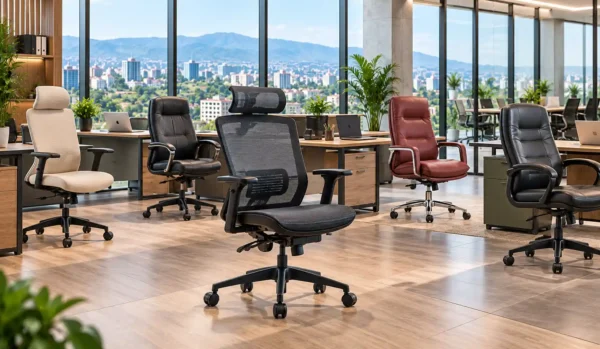
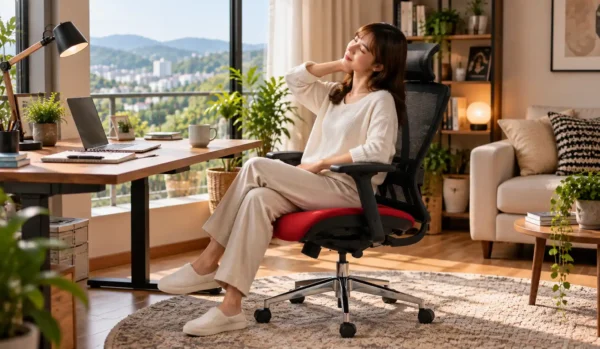
An ergonomic office table is built around the way the human body actually sits and works, not just around available floor space. That means the right desk height range, enough legroom, rounded edges, and a surface positioned to reduce strain on wrists, shoulders, and neck.
Explore Ergonomic Office Tables for Modern Workplaces if you want to compare models designed specifically with employee health in mind. Over months and years, ergonomic furniture reduces sick days linked to musculoskeletal strain and helps employees stay comfortable through full workdays.
4. Smart Storage Solutions
Storage is often an afterthought, but it shouldn’t be. Good office table storage solutions, drawers, filing compartments, shelving, or modular add-ons, keep desks clutter-free and help employees stay organized without needing extra furniture crowding the room.
For smaller offices especially, a table that combines a work surface with built-in storage saves valuable floor space while still giving staff somewhere to keep documents, stationery, and personal items.
5. Durable, Low-Maintenance Materials
The material a table is made from affects everything from its lifespan to how it looks after a year of daily use. Laminate tops resist scratches and stains well, engineered wood offers a warmer look at a reasonable price, and solid wood or metal-framed tables suit executive spaces where a more premium finish is expected.
Choosing well here means fewer replacements down the line and furniture that continues to look professional in front of clients and visitors.
6. Modular and Collaborative Layouts
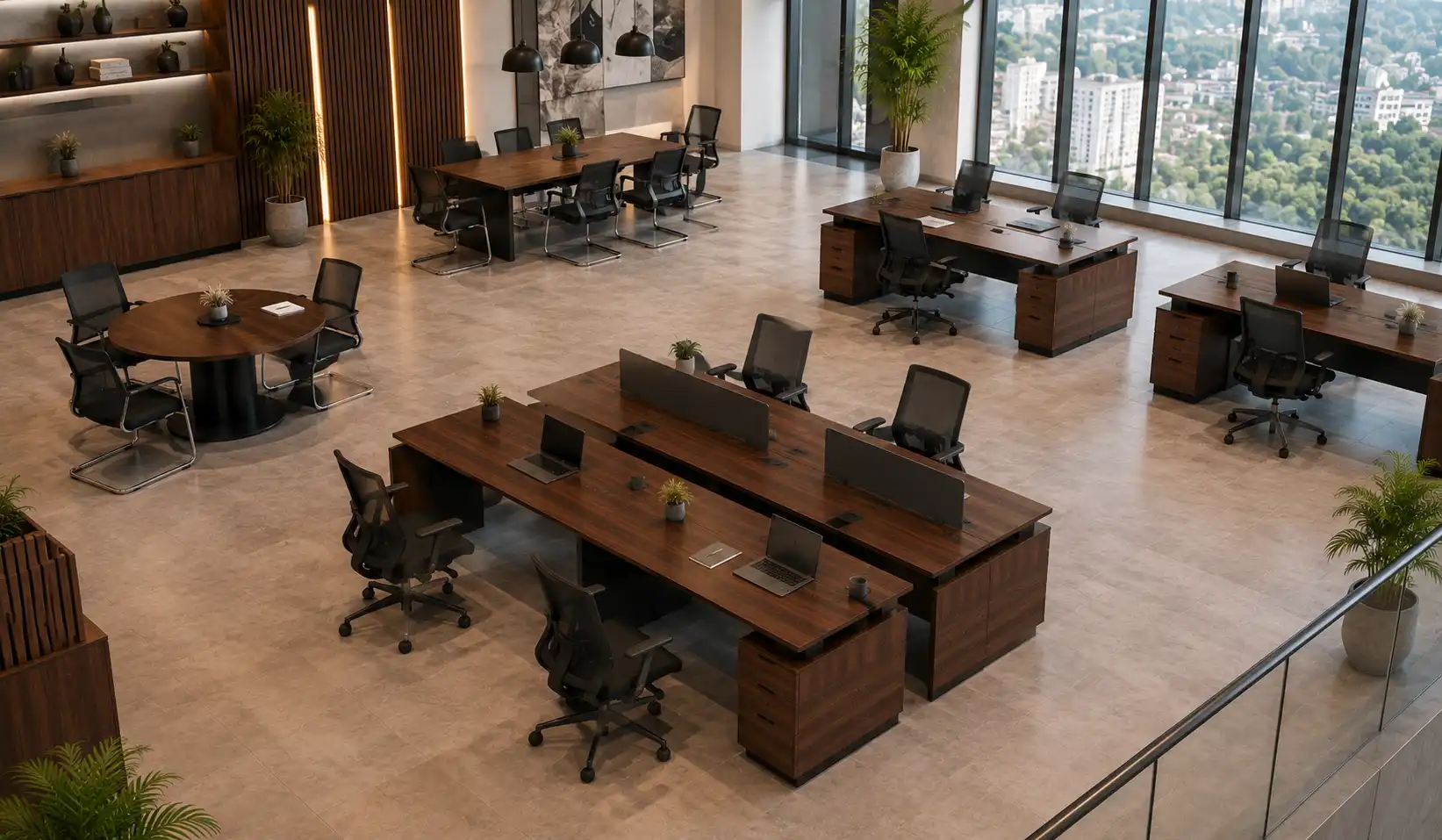
Modern offices increasingly mix individual workstations with shared, collaborative spaces. Tables designed to be reconfigured, joined together, or paired with modular accessories give a business flexibility as team sizes and layouts change. This adaptability matters especially for growing companies or hybrid workplaces where desk needs shift week to week.
If you’re weighing traditional desks against newer options, it’s worth reading up on Modern vs Classic Office Tables to understand the trade-offs between timeless designs and feature-rich modern builds.
Office Table Features for Different Roles
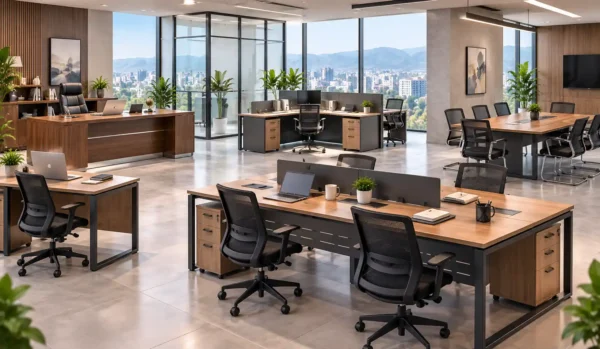
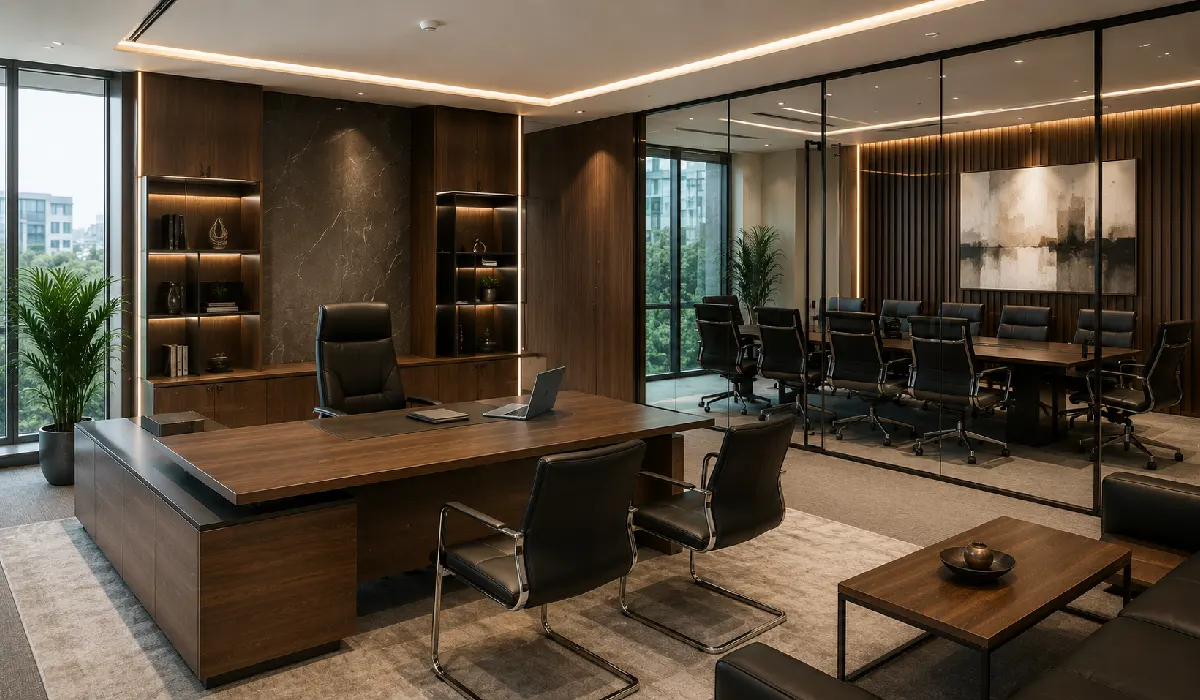
Not every desk in an office needs the same specification. An office workstation for a customer support team might prioritize compact size and cable management, while an executive office table typically emphasizes premium materials, a larger surface, and a more formal appearance suited to client meetings.
Instead of buying one style of table for the whole office, it’s often better to buy tables that fit the job and use the money more efficiently.
Choosing Office Furniture for Business Needs in Rwanda
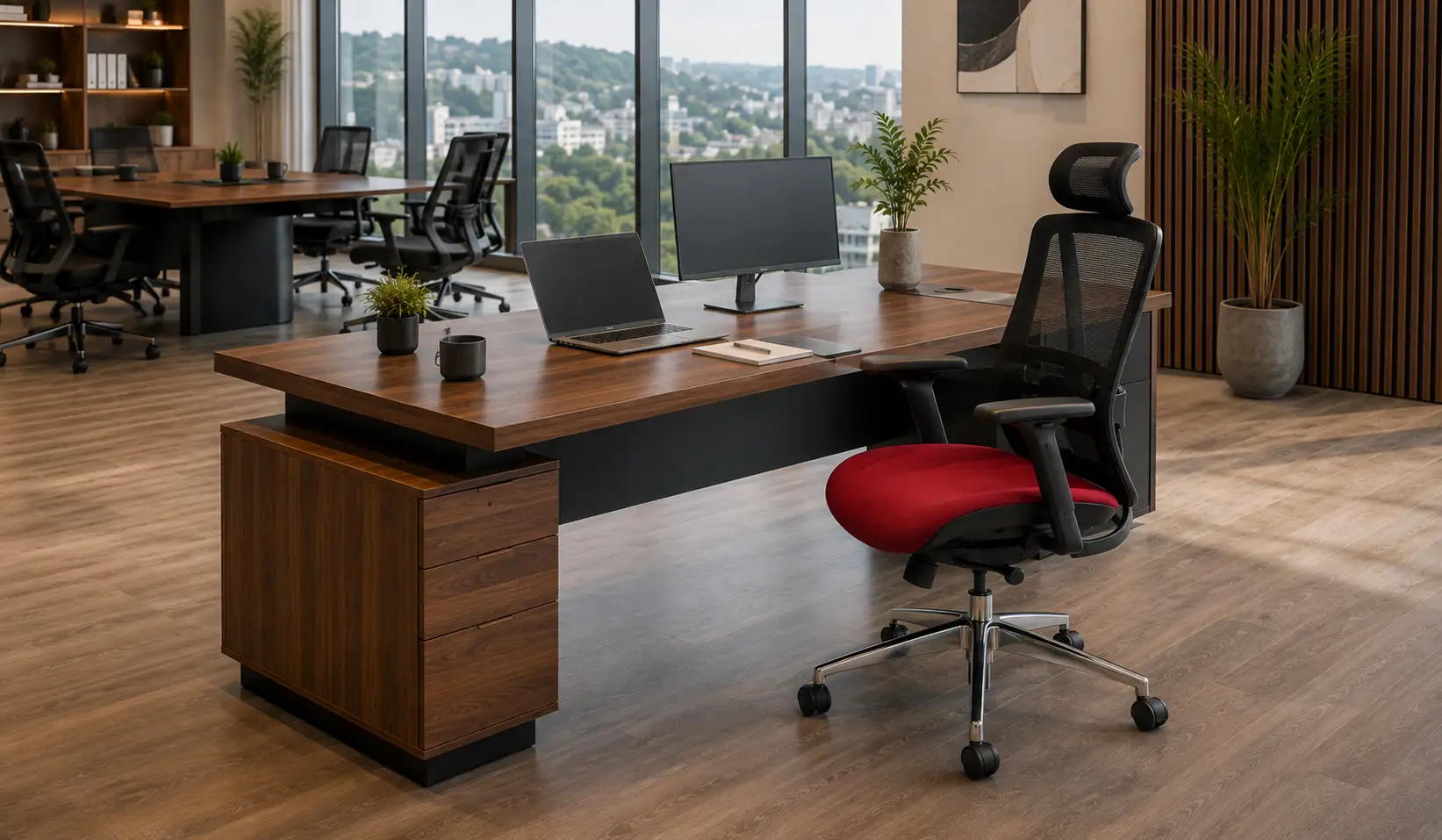
Businesses across Kigali and the wider region are increasingly investing in modern office furniture Rwanda as workplaces shift toward more functional, employee-friendly designs. Whether you’re outfitting a new office, a co-working space, or an executive suite, it’s worth exploring reliable Office Furniture for Business options that combine durability with modern design standards.
If you’re ready to see these features in person, you can Buy Office Tables in Kigali, Rwanda, from Shoppers Stop, where a range of modern, ergonomic, and executive office tables are available to suit different workplace needs and budgets. For businesses exploring a wider catalog, Smart Office Furniture Solutions from Shoppers Stop cover everything from individual workstations to full office fit-outs.
Final Thoughts
A good office table does more than just take up space; it helps people get their work done. Prioritizing features like height adjustability, cable management, ergonomic design, and smart storage isn’t about chasing trends; it’s about building a workplace that functions smoothly and keeps employees comfortable and productive.
Taking the time to choose the right table pays off in fewer complaints, better organization, and a more professional environment overall.
Frequently Asked Questions
1. What features make an office table smart?
A smart office table usually has features that make daily work easier, not just looks nice, like adjustable height, built-in cable management, ergonomic design, and built-in storage.
2. How does a smart office table improve workplace productivity?
By reducing physical discomfort, keeping desks organized, and minimizing daily friction like tangled cables or cluttered surfaces, employees can focus better and work more efficiently.
3. Why is cable management important in modern office tables?
It keeps cords organized and out of sight, reduces tripping hazards, and makes it easier to clean and maintain the workspace.
4. What is the benefit of a height-adjustable office table?
It allows employees to alternate between sitting and standing, which helps reduce back strain and fatigue during long working hours.
5. Which office table material is best for daily use?
Laminate and engineered wood are durable and low-maintenance for everyday use, while solid wood or metal-framed options suit executive spaces needing a premium finish.
6. How do I choose the right office table for my workspace?
Consider the role it will serve, available space, storage needs, and whether ergonomic or height-adjustable features are necessary for the employees who will use it.
7. What storage features should a modern office table include?
Look for drawers, filing compartments, or modular storage add-ons that keep documents and supplies organized without taking up extra floor space.
8. Are smart office tables suitable for small offices?
Yes. Many smart office tables are designed with space-saving storage and compact footprints, making them ideal for smaller workspaces.
9. How can a smart office table improve office organization?
Built-in storage, cable routing, and modular layouts reduce clutter and make it easier to maintain a clean, professional-looking office.
10. Where can businesses buy modern office tables in Rwanda?
Businesses in Kigali and across Rwanda can find a range of modern, ergonomic, and executive office tables through Shoppers Stop’s office furniture collection.

Hiren Kapadia is the founder of Shoppers Stop, Kigali’s trusted name in office furniture solutions. Since 2007, he has been helping businesses and individuals create productive, comfortable, and stylish workspaces through modern design and reliable service.