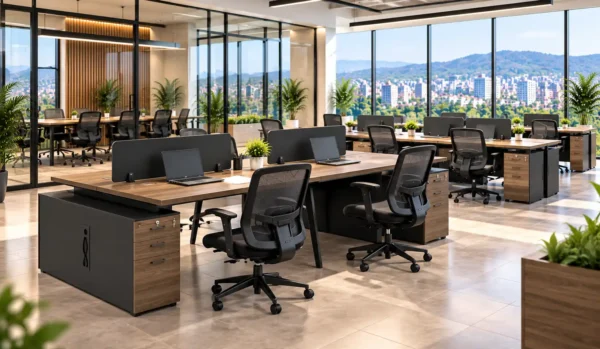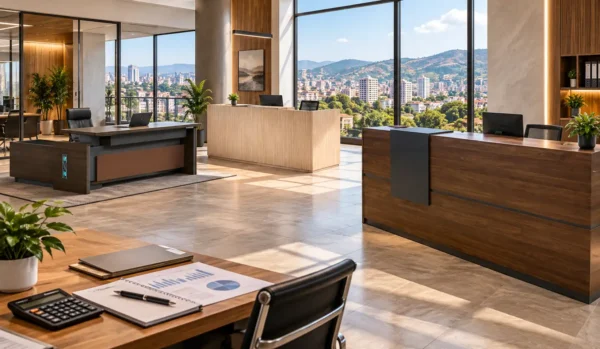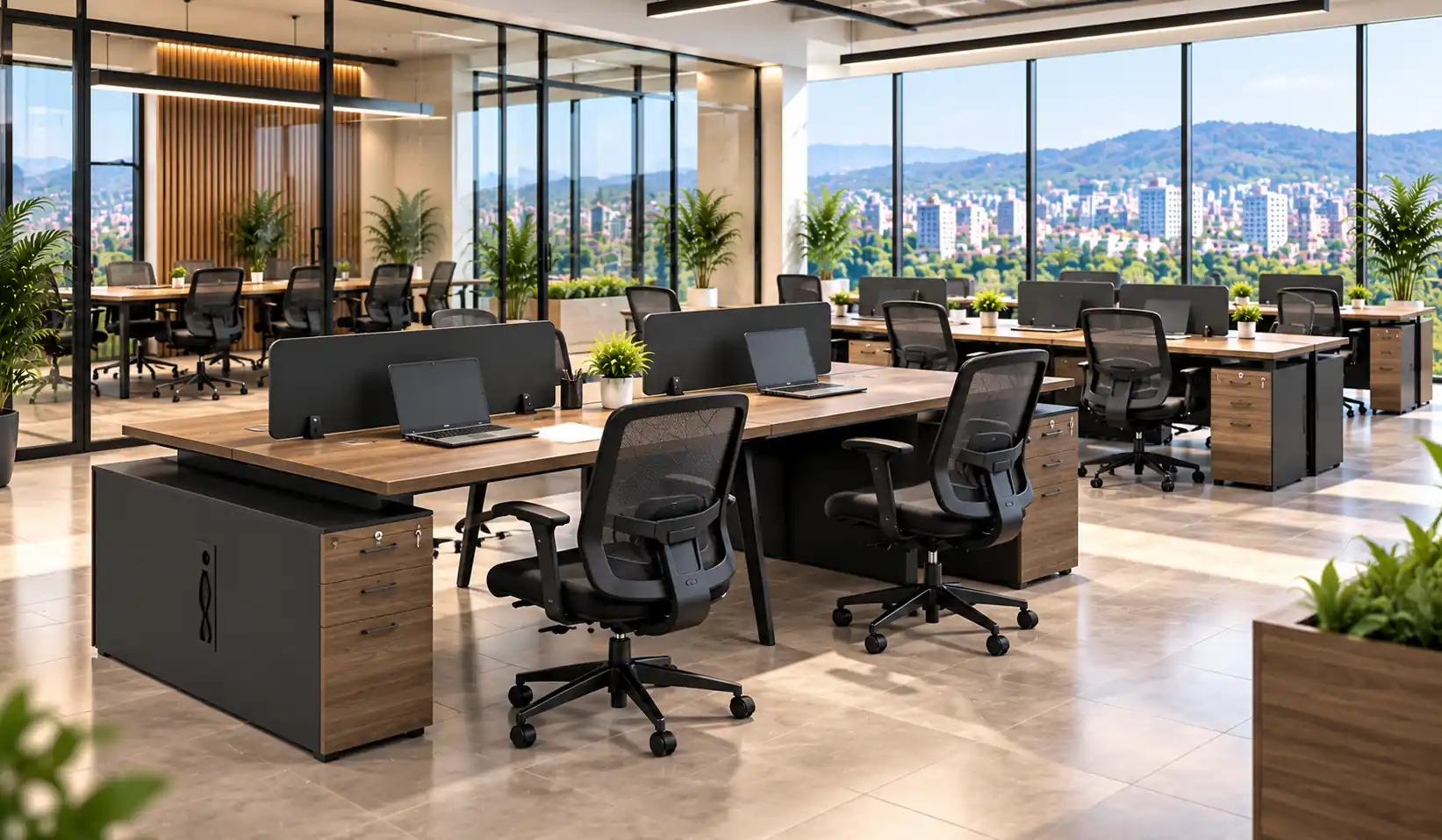
Setting up a shared office involves more than placing desks and chairs in an available room. A functional coworking space needs to accommodate people working independently, collaborating in teams, meeting clients and taking breaks. Following an office furniture planning guide before purchasing furniture can help you organise the space around its intended use.
For businesses planning coworking space furniture in Rwanda, the main priorities are comfortable seating, functional desks, meeting areas, reception furniture, storage and efficient use of available floor space. The right combination depends on the size of the facility, the people using it and the services the workspace intends to provide.
What Furniture Is Needed for a Coworking Space?
A functional coworking space typically needs workstations, office chairs, meeting tables, reception furniture and practical storage. Additional furniture may be appropriate for quiet work areas, informal collaboration or shared amenities.
Office Desks and Workstations
Desks form the foundation of most shared workspaces. Operators can choose individual desks, multi-person workstations or a combination based on available space and the intended seating arrangement.
Dedicated workstations are suitable for members who need a consistent place to work, while shared desks can accommodate different users throughout the day.
Shoppers Stop Africa offers office workstation furniture in configurations that include two- and four-seater desks. Compare the dimensions, usable work surfaces and arrangements of available models before deciding how many workstations your room can accommodate.
Ergonomic Office Chairs
Office chairs should suit the intended working duration and the different people using the space. Important considerations include seat-height adjustment, back support, cushioning, stability and ease of maintenance.
If several members use the same desk at different times, adjustable features can help accommodate individual preferences. When comparing office chairs in Rwanda, review the actual specifications rather than relying on appearance alone.
Meeting and Collaboration Tables
Meeting rooms support client discussions, team meetings, workshops and group projects. The table should provide sufficient working space for the expected number of participants without restricting movement around the room.
Choose the size and shape according to the available floor area and the activities that will take place there. A room used for frequent team meetings may require a different configuration from a small space intended for occasional client discussions.
Reception and Visitor Furniture
A reception area gives visitors a place to check in, ask questions and wait for appointments. Depending on the facility, it may require a reception desk, visitor chairs and a small waiting area.
Consider the number of visitors you expect, the space available near the entrance and how easily visitors can reach the reception desk. Shoppers Stop Africa’s reception furniture range provides a starting point for comparing options for the entrance area.
Storage and Supporting Furniture
Storage cabinets and shelving help keep shared supplies, documents and equipment organised. The requirements depend on whether the coworking facility provides lockers, printing facilities, dedicated offices or other shared amenities.
Plan storage early rather than filling the remaining space with cabinets after desks and chairs have been installed. A well-planned arrangement can keep work surfaces clear and make shared resources easier to access.
How to Choose Furniture for Different Coworking Zones
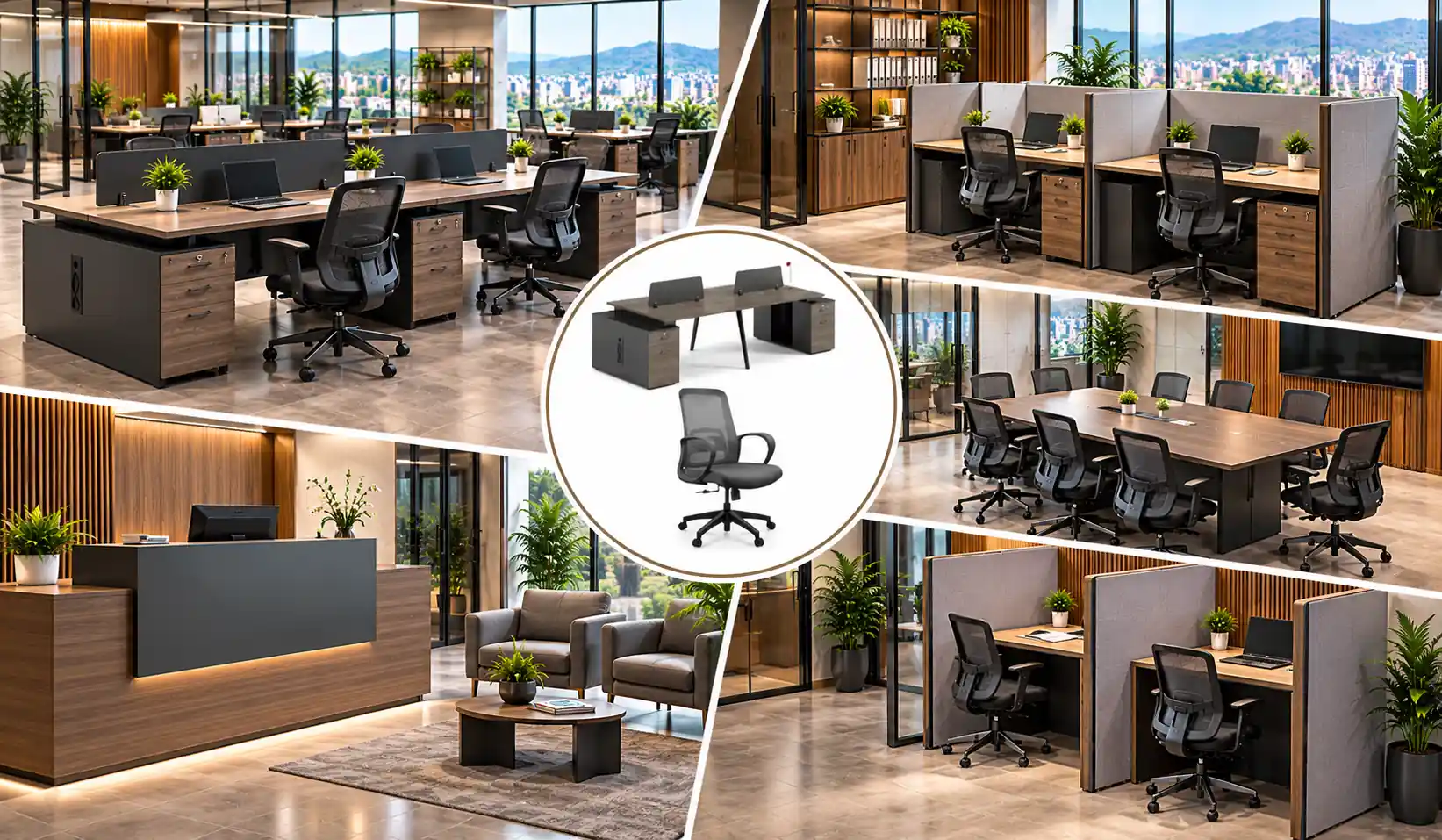
Different activities require different furniture arrangements. Dividing a shared office into functional zones helps operators select appropriate products and make better use of the available floor space.
Hot-Desk Areas
Hot desks are shared workstations that members can occupy as needed. Choose desks with practical work surfaces, accessible power connections and chairs that can accommodate different users.
Keep frequently used equipment organised and ensure members can move between workstations without obstructing neighbouring users.
Dedicated Workstations
Dedicated work areas suit members who need a consistent desk arrangement. Consider desk dimensions, monitor placement, storage requirements and available legroom.
When planning individual desks, compare the available office tables in Rwanda with the room dimensions and equipment each member will use. Check the working surface and clearance underneath before confirming the layout.
Meeting and Collaboration Areas
Meeting spaces benefit from appropriately sized tables, suitable chairs and enough clearance for participants to enter, leave and communicate comfortably.
For workshops or larger discussions, account for the expected number of attendees rather than choosing a table based only on the size of the room.
Reception and Waiting Areas
The entrance should be easy to navigate. Position the reception desk where visitors can identify it easily, and arrange waiting chairs without blocking walkways or access to work areas.
A practical layout helps distinguish visitor areas from members-only workspaces.
Quiet Work Areas
Some members need a quieter place for focused tasks. Where the layout allows, position individual desks away from the busiest circulation routes. Screens or suitable room dividers may also help define separate work areas.
Furniture placement can help organise these zones, although actual noise reduction depends on the room, materials and surrounding activities.
How to Choose Office Chairs and Desks for Shared Workspaces
Because coworking furniture may be used by different people throughout the day, operators should compare products against a clear set of requirements.
Adjustability: Check whether chair height, backrest position or other features can be adjusted to suit different users.
Seat comfort and support: Consider backrest design, cushioning, seat dimensions and how long members typically work at their desks.
Desk dimensions: Ensure the working surface can accommodate laptops, monitors, notebooks and other necessary equipment.
Construction and maintenance: Compare materials, finishes and construction quality. Shared furniture should be practical to clean and maintain according to the manufacturer’s recommendations.
Cable management: Plan access to power and charging points. Arrange cables so that they do not create obstructions or interfere with movement.
Daily-use requirements: Consider how frequently furniture will be occupied, moved or reconfigured. Products should be suitable for their intended use and expected conditions.
When comparing seating options, our guide to the different types of office chairs can help you compare designs for individual workstations, meetings and visitor areas.
Space-Saving Furniture Ideas for Small Coworking Spaces
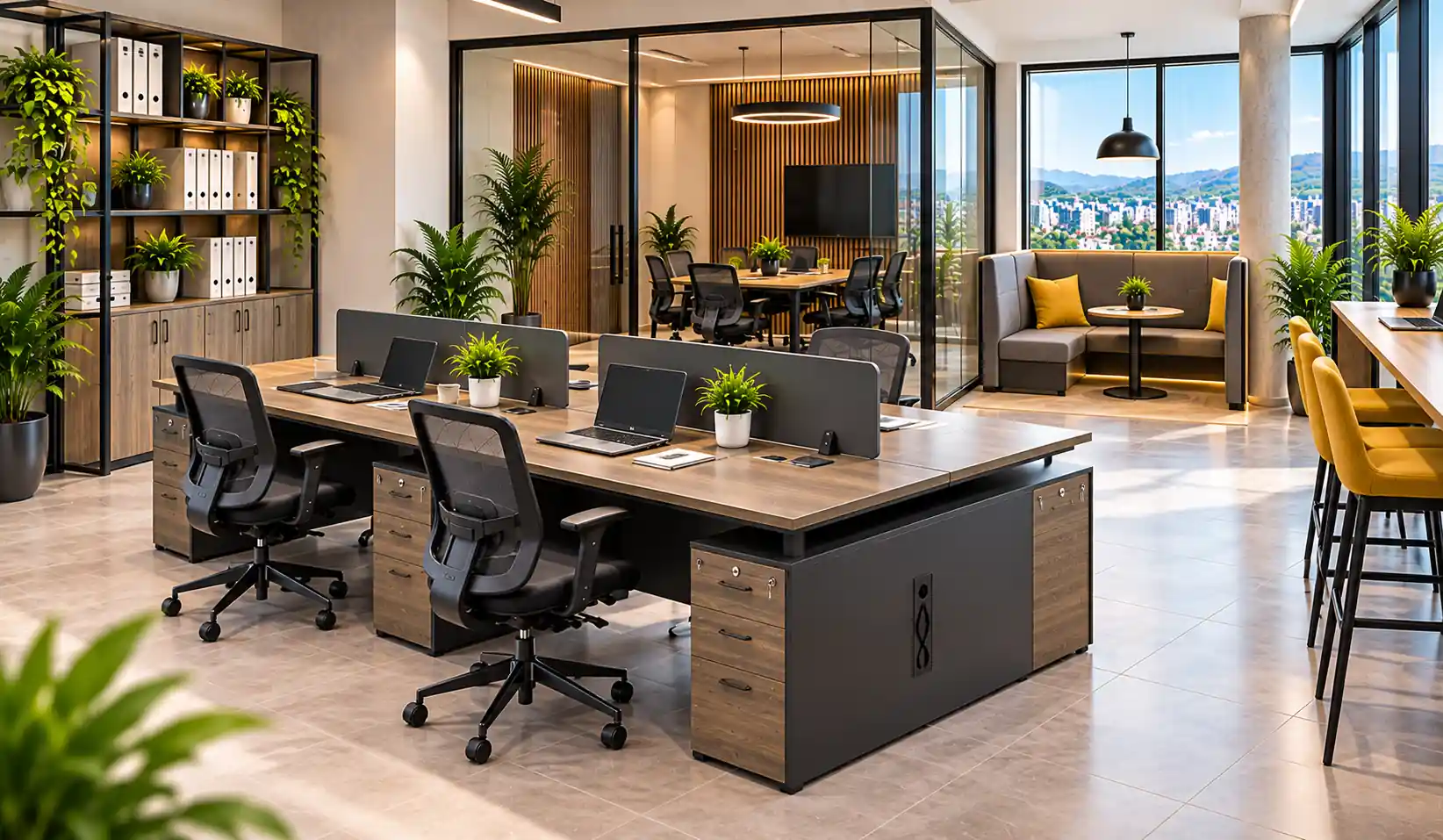
A small coworking space needs a layout that balances the number of workstations with comfortable movement and access. Adding more desks does not necessarily improve the use of a room if members cannot move around easily.
Start by measuring the room, doorways and main walkways. Sketch the proposed arrangement before purchasing desks, chairs or cabinets.
Consider multi-person workstations where they suit the room and the way members work. Use vertical storage where practical, and avoid duplicating furniture that can serve several purposes.
Meeting areas may also accommodate more than one activity, provided the furniture can be rearranged safely and the space remains suitable for each use.
For further layout guidance, read these small office furniture ideas for practical approaches to compact furniture arrangements and storage.
The goal is to make the available floor area useful without overcrowding desks, restricting walkways or reducing the comfort of members.
How to Plan a Coworking Space Furniture Budget
A furniture budget should reflect the workspace’s planned services and actual requirements. Instead of assigning one standard cost to every coworking facility, prepare an itemised list of products and quantities.
A practical planning process is:
- Estimate the number of hot desks and dedicated workstations.
- List the furniture needed for each zone.
- Compare current product prices and specifications.
- Account for meeting, reception and storage furniture.
- Confirm delivery and installation charges where applicable.
- Allow for future expansion, replacement and maintenance requirements.
Use a budget table to organise the proposed purchases:
| Budget category | Items to consider |
| Work areas | Desks, workstations and office chairs |
| Meeting areas | Conference tables and meeting chairs |
| Reception | Reception desk and visitor seating |
| Storage | Cabinets, cupboards and shelves |
| Additional requirements | Delivery, assembly and other applicable charges |
Use current supplier quotations to calculate the total. The final amount will depend on the products selected, the number of units and the purchasing arrangements.
Consider prioritising essential workstations and seating before adding optional furniture. If the business plans to expand gradually, leave room in the budget for additional desks and chairs later.
Common Furniture Planning Mistakes to Avoid
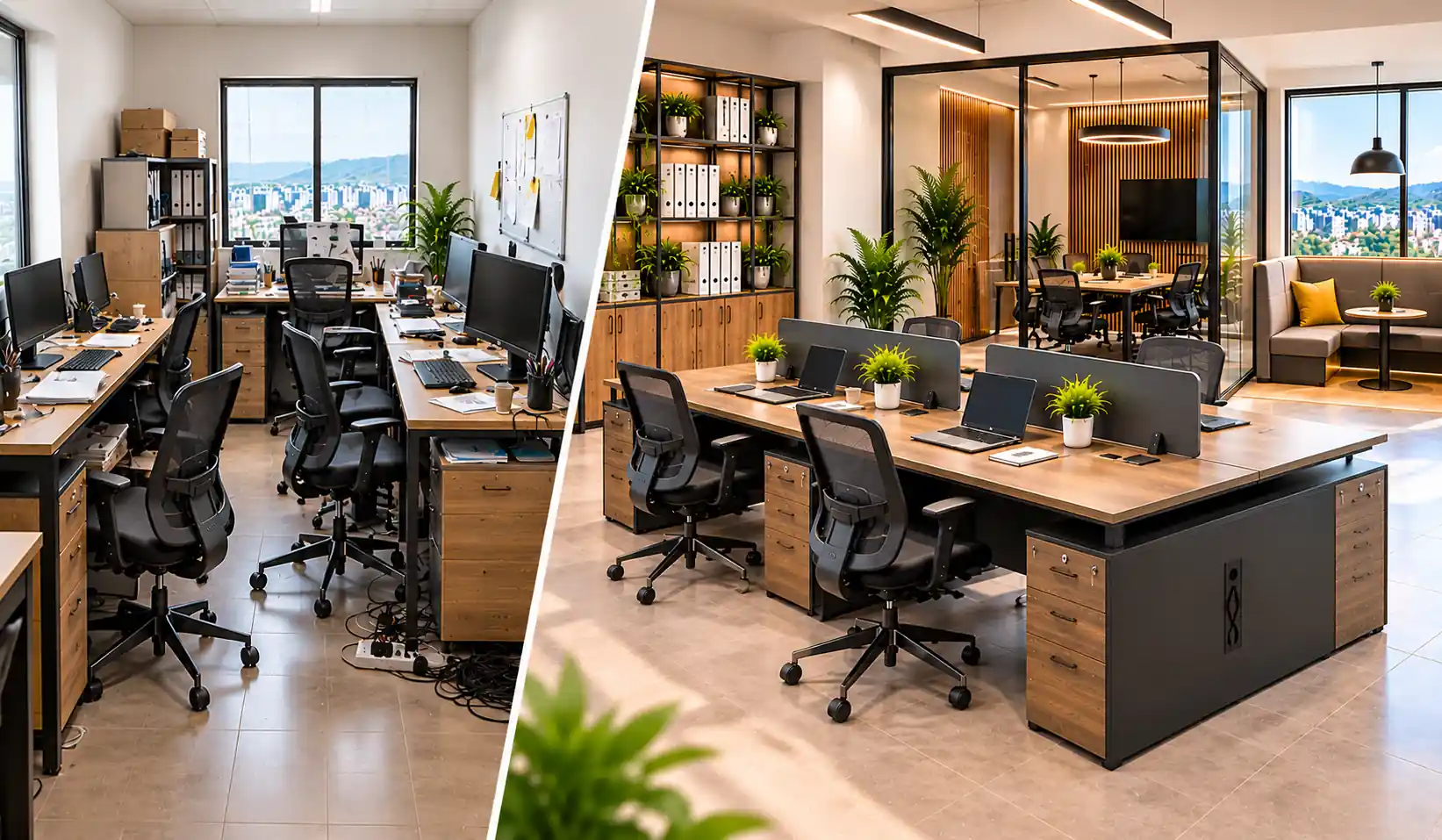
Buying before measuring: Record room dimensions and check product measurements before ordering.
Choosing chairs only by appearance: Consider adjustment options, seating support and intended use.
Ignoring storage and cables: Plan where shared supplies and electronic equipment will be kept.
Crowding the layout: Leave practical clearance around desks, entrances and common routes.
Forgetting non-work areas: Include reception and meeting requirements if the facility will welcome visitors or host group sessions.
Planning only for current needs: Consider whether workstations can be reconfigured when membership or staffing changes.
Addressing these issues during the planning stage can reduce avoidable changes after furniture has been delivered.
Where to Find Office Furniture in Rwanda
Shoppers Stop Africa offers furniture categories for businesses furnishing shared and conventional office environments. Its range includes office chairs, office tables, workstations, reception furniture and conference furniture.
Before placing an order, compare product dimensions and specifications, then confirm current pricing, stock availability and delivery arrangements with the supplier. This helps determine whether each item suits the requirements and layout of your coworking facility.
Prepare an itemised furniture list with quantities and relevant measurements before contacting the supplier. Providing these details makes it easier to assess your requirements and obtain suitable pricing information.
Frequently Asked Questions
1. What furniture is needed for a coworking space?
The main requirements are office desks or workstations, suitable chairs, meeting tables, reception furniture where needed and storage. Quiet work areas or informal collaboration spaces may require additional furniture depending on the facility’s services.
2. Which office chairs are suitable for shared workspaces?
Look for chairs with suitable back support, appropriate seat dimensions, stable construction and useful adjustment features. Consider how long members will use the chairs and whether several people will share the same workstation.
3. What desks are best for coworking spaces?
Individual desks suit members who need their own work surfaces, while multi-person workstations can accommodate shared arrangements. Choose based on room dimensions, required equipment, privacy needs and available circulation space.
4. How do you furnish a small coworking space?
Measure the room first, prioritise essential workstations and seating, and use storage that makes effective use of available space. Maintain clear walkways and include meeting furniture only where it supports planned activities.
5. How should a coworking space be divided into different zones?
Start by identifying the main activities: focused work, shared desks, meetings, reception and collaboration. Arrange furniture to support those activities while keeping access routes clear. The layout should reflect the needs of the intended users.
6. What should you consider before buying coworking furniture?
Compare dimensions, materials, comfort, adjustment features, maintenance requirements, construction and cost. Confirm product availability and delivery conditions before committing to a purchase.
7. How can coworking operators make better use of limited space?
Consider compact desks, suitable shared workstations, vertical storage and flexible meeting arrangements. Measure furniture and walkways before installation to avoid an overcrowded layout.
8. Where can businesses find office furniture in Kigali?
Shoppers Stop Africa lists office chairs, office tables, workstations, reception furniture and conference furniture on its website. Businesses can review the available products and confirm current pricing and specifications with the supplier.
Build a Functional Shared Workspace
Choosing coworking space furniture in Rwanda starts with understanding how people will use the space. Plan each zone, compare suitable desks and chairs, allow for storage and movement, and select furniture according to the facility’s actual requirements.
Review your furniture requirements, confirm the specifications and prepare a list of the items you need. You can then request a quotation from Shoppers Stop Africa to obtain pricing based on your planned workspace and purchasing requirements.

Hiren Kapadia is the founder of Shoppers Stop, Kigali’s trusted name in office furniture solutions. Since 2007, he has been helping businesses and individuals create productive, comfortable, and stylish workspaces through modern design and reliable service.