Shoppers

High Back Chair vs Medium Back Chair — What Fits Your Office Setup Better?

Ever found yourself sinking into your office chair wondering, “Is this really the right fit for me?”. Choosing between a high back chair vs medium back chair may sound like a small detail, but it can define how comfortable, focused, and productive your workday becomes.

Whether you’re at home or in the office, long meetings and endless screen hours make your chair more than just furniture, it’s your daily support system. It is your daily support system! Let’s settle the debate once and for all and help you decide: should your next throne be a Medium back chair or a high back office chair in Rwanda?

Key Takeaways

  • High back office chairs provide full support for the entire back, neck, and head, making them ideal for long hours and executive workspaces.
  • Medium back chairs support the lower and mid-back areas, promoting mobility and fitting smaller offices.
  • Adjustable ergonomic chair features like adjustable lumbar support chair, seat height, and tilt are key to reducing back pain and improving comfort regardless of chair type.
  • Choosing between high back and medium back depends on personal needs: high back suits those needing comprehensive upper body support and longer sitting periods while medium back fits collaborative, dynamic spaces and smaller setups better.

Understand the Basics: High Back Vs. Medium Back

What is a High Back Chair? 

A high back office chair typically extends to or above your shoulders, sometimes even supporting your neck and head. Think of it as the executive’s favorite, luxurious, tall, and designed for full-body comfort.

High back office chair features:

  • Supports upper, mid, and lower back
  • Often includes adjustable lumbar support
  • Comes with a headrest for neck relaxation
  • Perfect for long working hours and video meetings

Popular types of these chairs include the high back leather office chair and the high back desk chair, both adding a professional, polished touch to your setup.

What is a Medium Back Chair?

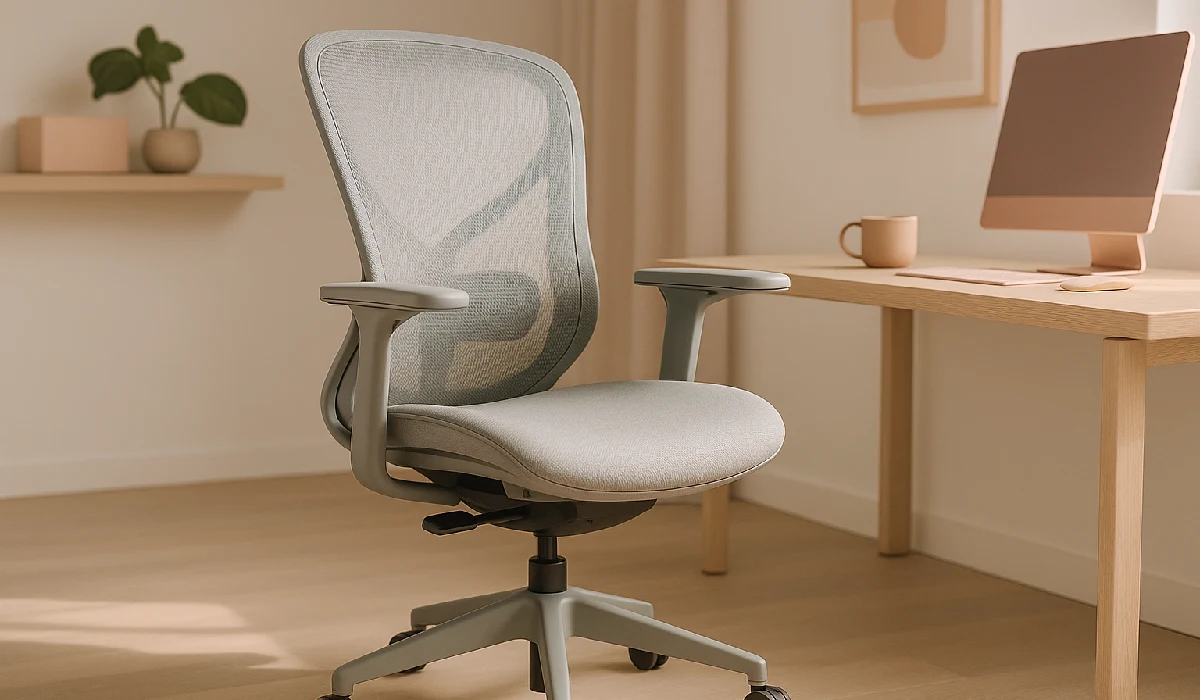
A medium back chair, on the other hand, reaches up to your shoulder blades. It’s sleeker, lighter, and offers solid support without taking up much space.

Medium back office chair features:

  • Targets mid and lower back support
  • Ideal for shorter sitting durations or collaborative spaces
  • Provides better movement flexibility
  • Usually available in ergonomic, mesh, or leather variants

You’ll often see versions like the medium back ergonomic office chair, medium back leather chair, or even medium back executive office chair in co-working spaces or compact offices.

High Back Chair Vs. Medium Back Chair: The Showdown

When it comes to the ultimate “High back chair vs Medium back chair” debate, the main difference lies in the backrest height, but there’s a lot more! Take a look!

Feature High Back Chair Mid Back Chair
Support Area Whole back, neck, and head Lower and middle back
Comfort Ideal for long hours, reduces full-spine fatigue Great for short-to-moderate use, boosts mobility
Looks Executive, formal, professional Modern, compact, often minimal
Space Needed Bulky, larger footprint Compact, fits smaller offices
Adjustability Extensive: lumbar, headrest, tilt, height, armrests Basic to moderate: lumbar, tilt, armrests
Price Generally higher due to features and size Budget-friendly, less expensive
Best For Executives, people working long hours, upper back pain Collaborative spaces, active movers, tight spaces

If you’re someone who spends most of the day at your desk, choosing the best computer chair for long hours can make all the difference in your productivity and wellbeing.

Why Ergonomics Matter more than Ever

A CDC study found that reducing sitting time during work hours cut upper back and neck pain by 54%. The takeaway? A properly designed ergonomic chair that supports posture can protect your spine and enhance comfort, especially if you sit for long hours.

The ergonomic office chair benefits include improved posture, reduced spinal strain, and better blood circulation during extended work hours. If you’re searching for an Office Chair in Rwanda, manufacturers like Shoppers Stop can assist you with the right chair for long hours, as in today’s work life, ergonomics isn’t optional, it’s essential.

Frequently Asked Questions

Is a mid-back or high-back chair better?

A high back office chair is perfect for long, focused desk work, especially if you need full back and neck support. Medium back chairs fit smaller spaces and active settings, boosting flexibility and movement.

Is it better to have an office chair high or low?

High or low, your chair height should let your feet rest flat on the floor while your knees form a right angle.

What type of office chair is best for your back?

An adjustable ergonomic desk chair with contoured lumbar support, tilt, and seat adjustments is best. Look for the “best ergonomic chair” features for healthy posture.

What adjustments should I test before buying?

Test lumbar support height/depth, seat height, armrest placement, and tilt/recline tension. A good chair fits your spine, shoulders, and hips naturally.

Which chair type reduces back pain more effectively?

For upper and lower back pain, a high back chair offers more comprehensive support, while medium back chairs are great for lumbar issues with added mobility.

The Final Verdict

In the battle of High Back Chair vs Medium Back Chair, there’s no one-size-fits-all answer. If you spend long hours at your desk, a high back ergonomic office chair is your long-term investment in comfort and spine health. But if you value mobility, modern aesthetics, and compact design, medium back ergonomic chairs could be your everyday hero.

The Ultimate Guide to Choosing the Right Types of Filing Cabinets for Offices

If you’ve ever spent precious minutes hunting through piles of papers or cluttered drawers, you know the importance of a good filing cabinet. Whether you’re running a startup from a small co-working space or managing a large corporate office, having the right office storage cabinets can completely transform your workspace, boosting efficiency, organization, and even your mood.

In this blog, we’ll explore the types of filing cabinets every modern office should consider, from metal filing cabinets built for durability to white filing cabinets that double as elegant décor pieces. And of course, how to choose the best one for your needs!

Key Takeaways

  • Filing cabinets are far from outdated as they’re still vital for keeping paperwork organized, accessible, and secure in both traditional and modern offices.
  • Filing credenzas double as elegant furniture, offering hidden storage while enhancing the overall look of your office.
  • The best filing cabinets for offices are the ones that balance organization, ergonomics, and design, helping you work smarter, not harder.

Why Filing Cabinets Still Matter in Digital Age

Sure, we live in a cloud-driven world, but paper documents aren’t going anywhere soon. According to a 2024 report by AIIM, over 65% of businesses still rely on physical filing systems for contracts, invoices, and employee records.

Proper document storage solutions help keep your workspace clutter-free, improve focus, and ensure document security in offices, something that can save you from costly compliance issues.

Main Types of Filing Cabinets for Offices

The Classic Vertical Fining Cabinets 

Vertical filing cabinets are tall and narrow, usually featuring 2 to 5 drawers, perfect for space-saving filing cabinets for small workspaces. These are great for storing letters or legal-sized documents while keeping your footprint minimal. It is ideal for limited floor areas, and where it is easy to access files while seated.

Lateral fining Cabinets

Lateral cabinets are wider and shorter than vertical ones, offering side-to-side file storage. They can even double as file cabinet furniture, providing extra surface area for printers, décor, or coffee mugs. Want something sleek? Go for a modern filing cabinet in matte white or charcoal grey, perfect for open office aesthetics.

Mobile filing Cabinet

These are best for hybrid workspaces and shared offices. Compact and often on wheels, small filing cabinets can slide under desks or roll between workstations. A 2023 office ergonomics study by Steelcase found that employees with easy-to-reach storage report 23% higher productivity.

Filing Credenza

This dual-purpose powerhouse combines style with utility. It acts as a sideboard and a filing system, making it an excellent piece of file cabinet furniture. If you love furniture that works as hard as you do, the credenza is your match.

How to Choose the Right Filing Cabinet for Office

Picking the perfect filing cabinet is about choosing a piece of office storage furniture that complements your workflow, space, and style. Here’s how you can choose the best filing cabinet for your office.

Access your Office Space: Before anything else, look around your office. How much floor or wall space do you really have? Measure the clearance space needed for drawers to open fully at least 18 to 24 inches in front of the cabinet.

Determine Your Storage Needs: Before you browse through glossy catalogs or furniture websites, pause and evaluate: What exactly do you need to store? If you store more than 2,000 pages per month, go for a 4 drawer file cabinet or lateral model. If less, 2 or 3 drawers should suffice.

Prioritize Security: A 2023 Office Security Survey found that over 40% of small businesses had experienced misplaced or lost documents due to poor filing systems. Choosing secure cabinets helps prevent such costly mishaps.

Choose Right Material: Different materials suit different environments. Material not only affects the cabinet’s look but also its durability, weight, and maintenance.

Workplace Ergonomics:  Ergonomics isn’t just for chairs and desks; your filing cabinet’s placement matters, too. Office Design users often recommend positioning filing cabinets within arm’s reach of your desk to maintain workflow efficiency and minimize disruptions.

Final Word

From the compact small filing cabinet under your desk to the elegant wood file cabinet in your executive office, the right storage choice blends form, function, and productivity. Finding quality filing cabinets in Kigali, Rwanda can make this choice easier, giving you durable and stylish options that suit any workspace. The perfect cabinet doesn’t just hold your files — it helps keep your entire workday organized.

FAQs

What are the best filing cabinets for small offices?

The best options for small offices include vertical and mobile filing cabinets. They help maximize space while keeping essential files accessible.

Are there filing cabinets available in Kigali?

Yes! You can easily find filing cabinets in Kigali, Rwanda through local furniture outlets and online marketplaces. Entities like Shoppers Stop can help you find the best storage solution for your office considering your specific needs and preferences.

What is the difference between a filing cabinet and a file storage cabinet?

A filing cabinet typically has drawers for organized document filing, while a file storage cabinet may include shelves or compartments for mixed-use storage.

What are the price ranges for filing cabinets in Rwanda?

The prices typically depend on size, material, and the type of cabinet you choose. The prices range from RWF 80,000 for small metal cabinets to RWF 300,000 for large wooden or designer options.

The Best Office Chair For Short People: Sit Smart & Work Better

If you’re under 5’4″, you’ve probably experienced this: sitting in a standard office chair with your feet dangling like a child on a high bar stool. Not only does that feel awkward, but it also leads to poor posture, hip strain, and even back pain.

Here’s the truth: most office chairs are designed for the “average” height of 5’9″, according to ergonomic design standards. That leaves petite professionals, especially women, without proper support during long work hours. But don’t worry. Whether you work from home or in a corporate setup, this guide helps you find the best office chair for short people that’s comfy, adjustable, and stylish enough to match your workspace.

Key Takeaways

  • Discover the best office chair for short people that actually fits your frame
  • Learn why seat depth, height, and ergonomics matter for petite professionals
  • Explore top features of petite office chairs and ergonomic chairs for short people
  • Get tips for choosing the best desk chair for a short person, even if you’re under 5’4”!

Why Do Shorter People Need Special Ergonomic Chairs?

A good chair shouldn’t just look professional; it should fit you perfectly. When you’re shorter than average, a chair with the wrong proportions can cause:

That’s where the ergonomic chair for a petite person steps in. These chairs are designed with a low seat height, shorter seat depth, and adjustable armrests, ensuring your spine, legs, and hips stay aligned naturally. 

Why is It so Difficult for Shorter People to Find the Right Office Chair?

Do you know why it is so difficult to find a perfect chair for you? Here’s why!

  • Chairs are designed for Average Height
  • These Chairs do not offer Full Adjustability
  • Lack of Awareness in Design Standards
  • Difficulty in Choosing Between Aesthetics and Ergonomics
  • Desk Height Mismatch with Chair Height
  • Limited availability with Economical Price

But the trend is changing fast. With rising WFH culture and awareness about posture health, more brands like Shoppers Stop are now making affordable office chairs for petite people featuring adjustable seat depth, lower seat height, and customizable armrests.

What You Should Look For When Finding the Right Office Chair?

While finding the best office chair for a short person, it is equally important to know what makes a chair truly petite-friendly! Here are some features to look for: 

Low Seat Height

The #1 rule for short users: your feet should rest flat on the floor, not swing like you’re on a barstool. Look for a low seat height office chair that adjusts down to 14–16 inches from the floor.

Adjustable Seat Depth

Shorter people often struggle with seat depth that’s too long, forcing them to lean forward or sit on the edge. Look for office chairs with adjustable seat depth for short people; around 15–17 inches is ideal.

Lumbar Support

Lumbar support designed for taller people tends to sit too low or too high on shorter spines. Choose a chair with height-adjustable lumbar support so it aligns with your lower back’s natural curve, critical for preventing back strain.

Adjustable Armrests

If you’re petite, armrests that are too high or far apart can make you shrug your shoulders or stretch uncomfortably. Look for 4D adjustable armrests as they move up/down, forward/back, side to side, and angle inward.

Breathable Mesh & cushioning

If you work long hours, a petite ergonomic mesh office chair for home office offers excellent airflow. Mesh chairs prevent sweating and are lighter and more modern-looking.

Did You Know?

A 2023 workplace ergonomics study found that using an adjustable ergonomic executive chair can reduce back pain by up to 32% among office workers. While the average person spends more than 1,900 hours a year sitting at a desk, investing in a Petite office chair isn’t a luxury; it’s self-care! The best office chair for short women might need a little boost. If your feet still don’t touch the ground comfortably, use a footrest for optimal posture. 

Conclusion

Finding the best office chair for short people isn’t about luxury; it’s about function, comfort, and health. A properly fitted ergonomic chair for short people helps you work smarter, sit longer without pain, and stay focused. 

If you are exploring an office chair for a small person, you can explore ergonomic models or executive designs similar to the best office chair in Rwanda collections that blend modern looks with personalized comfort. You can also explore different types of chairs, such as task chairs, mesh chairs, and executive chairs that suit various work environments.

FAQs

What is the chair height for a 5ft person?

For someone who’s 5ft tall, a seat height between 15–16 inches is ideal. This keeps your feet flat and your thighs parallel to the floor.

What is the best chair depth for short people?

Shorter individuals should look for a seat depth of around 15–16 inches to avoid leg pressure and support natural posture.

Are mesh chairs better for short people?

Yes! Mesh ergonomic chairs for short people are lighter, more breathable, and often come with better adjustability for petite users.

What chair features are most important for short people?

Look for seat height adjustment, seat depth control, lumbar support, and armrest flexibility. These features ensure your body stays aligned and comfortable throughout the day.

Strategic Conference Room Furniture Design That Maximizes Impact

Forget the standard, dusty boardroom. Today’s conference room furniture design is not an expense—it’s a powerful operational tool. A well-designed meeting space influences every outcome, from the ease of collaboration to the speed of decision-making.If your conference room feels generic, it’s actively diminishing the impact of the ideas discussed within it.

For forward-thinking companies seeking truly impactful office furniture in Rwanda, the focus must shift from simply filling a space to architecting an environment for success. Every choice, from the foundational office conference room table to the ergonomic chair, should be intentional.

This guide will walk you through building a productive, modern, and uniquely professional conference space.

Key Highlights

  • How conference room furniture design shapes collaboration and decision-making

  • Choosing the right office conference room table shape for different meeting styles

  • Balancing comfort, ergonomics, and aesthetics in modern seating

  • Integrating technology seamlessly into meeting room table design

  • Smart design tactics to optimize small conference spaces

Defining Intent: Aligning Furniture with Meeting Culture

The first step in design is defining the room’s personality. Is this the high-pressure deal-closing room or the relaxed innovation hub? The furniture must reflect this core purpose, and thoughtful conference room furniture design ensures the space aligns with your meeting culture.

A traditional firm might invest in the gravitas and permanence of a bespoke Oak Conference Table in Rwanda, while a creative agency might opt for adaptable, mobile pieces.

Beyond Aesthetics: The Foundational Pillars of Design

  • Atmosphere & Tone: Materials set the stage. Rich, deep woods and leather signal authority and formality. Conversely, lighter, matte finishes, combined with exposed metal and clean lines, project a sleek, tech-forward aesthetic.
  • The Power of Light: A drab room is a productivity killer. Prioritize ample natural light. Where natural light is scarce, use adjustable, layered artificial lighting. Overhead fixtures provide ambient light, while individual table lamps can create zones of focus for smaller discussions.
  • Acoustic Comfort: Nothing kills focus faster than poor acoustics. Investing in wall panels, high-pile rugs, or even strategically placed fabric art can dampen echo and ensure that sensitive conversations remain confidential and remote participants can hear clearly.

The Table: Shape-Shifting for Dynamic Meetings

The table is the singular anchor of the room, and its shape dictates meeting dynamics more than any other element. When planning your conference hall table design, consider these functional shapes:

  • The Rectangle/Boat Shape: Ideal for presentations and hierarchical meetings. This shape naturally positions a leader at the head, directing attention toward a focal point (like a projection screen). It remains the go-to choice for formal environments.
  • The Circle/Square: Round meeting tables are the ultimate equalizer. Eliminating the “head” of the table encourages truly flat, collaborative discussions where everyone is seen and heard equally. Perfect for small team breakouts and brainstorming.
  • Modular Units: For maximum flexibility, modular tables are invaluable. These units can be quickly separated into small meeting tables or reconfigured into a large U-shape or a vast rectangular layout, crucial for multi-purpose rooms.

A well-chosen table is a long-term asset. When you’re ready to Buy Conference Room Tables in Rwanda, look for high-quality craftsmanship that will withstand heavy use and adapt to integrated technology.

Human-Centric Seating: Prioritizing Endurance and Focus

Meetings, particularly long strategic sessions, demand chairs that prioritize comfort over everything else. Attendees struggling with back pain or numb legs are mentally checked out.

For a modern, high-functioning room, select ergonomic chairs with:

  1. Adjustable Lumbar Support: Crucial for extended sitting.
  2. Comfortable Padding: Dense, high-quality foam that doesn’t compress immediately.
  3. A Swivel Base: Allowing easy turning toward the screen or another attendee without scraping chairs.

The chairs must be visually cohesive with your Modern conference furniture, because seating plays a central role in overall conference room furniture design—whether you prefer sleek mesh for a contemporary look or high-backed leather for a classic style.

For those sourcing high-quality Modern oak conference tables for offices in Rwanda, ensure the accompanying chairs match the scale and style of the wood.

Seamless Technology: The Invisible Infrastructure

The difference between a frustrating meeting and a productive one often comes down to integrated technology. Modern meeting room table design must accommodate technology invisibly.

  • Integrated Power: Tables should feature hidden grommets or built-in pop-up power modules, including USB and standard electrical outlets, eliminating messy power strips.
  • Wireless Connectivity: Invest in simple, one-touch wireless presentation devices.
  • Video Conferencing: For hybrid teams, positioning cameras and screens correctly is non-negotiable. The furniture should not block lines of sight, and the table’s finish should be matte to avoid distracting screen glare.

For businesses looking for reliable, high-end finishing touches that integrate seamlessly with technology, checking the offerings at large, trusted retailers is wise. A quick look at a major supplier like Shoppers Stop can provide excellent benchmarks for quality and design flexibility in this area.

Scaling Smart: Design Tactics for Intimate Spaces

Designing a small conference room is a test of efficiency. The goal is to make the space feel intentionally intimate, not cramped.

  • Prioritize Round: For smaller rooms, opting for a round conference table online in Rwanda is often the best choice, as it eliminates harsh corners and allows people to navigate the room more easily.
  • Vertical Space: Use wall-mounted displays instead of large pull-down screens that clutter the room. Vertical shelving can also draw the eye upward, making the ceiling feel higher.
  • Reflective Surfaces: Judicious use of glass and polished metallic accents can bounce light around the room, making it feel larger than its footprint.

Ultimately, whether you are outfitting a sprawling executive suite or an efficient huddle room, the best providers understand that conference room furniture design must merge local necessity with global design trends.

Frequently Asked Questions about Conference Room Design

Q: How do I choose the best furniture for my conference room?

Start with defining the primary function of the room. Prioritize ergonomic seating for long meetings, and select a table shape that physically encourages the desired style of interaction.

Q: What’s trending in conference room furniture in 2025? 

The top trends revolve around extreme flexibility like modular tables and mobile storage, seamless technology integration, and biophilic design.

Q: What table shapes work best for different meeting types? 

Rectangular tables suit formal, presentation-led meetings where hierarchy is clear. Round tables are ideal for collaborative, equal-status discussions and creative brainstorming. U-shaped tables are best for training and hybrid meetings focused on a central screen or speaker.

Q: How do I make a small conference room feel more spacious? 

Maximize light, use neutral and light color palettes, choose smaller round meeting tables, and utilize vertical space by wall-mounting screens and whiteboards. Glass walls, where appropriate, also dramatically increase the feeling of space.

Q: How can I make a conference room look modern? 

Focus on clean, minimalist design (minimal clutter), smooth surfaces (glass, matte metal, light-toned wood), and integrated technology. The look should be streamlined, functional, and devoid of unnecessary ornamentation.

Q: What role does technology play in conference room furniture design? 

Technology is no longer an add-on; it is integrated. Furniture must include solutions for power access, data cables, and charging. Tables must support quick, seamless hook-ups for video conferencing and presentations without visual clutter.

A Complete Guide to the Different Types of Adhesive Tapes

Adhesive tapes are one of the most versatile and widely used materials across homes, offices, hospitals, and industries. From quick household fixes to heavy-duty industrial applications, they come in many forms, each designed for specific purposes. In this guide, we’ll explore the different types of adhesive tapes, their pros and cons, and the best uses for each. Whether you’re a consumer or sourcing from Adhesive Tapes Wholesalers in Rwanda, understanding these options can help you choose wisely.

Key Highlights

  • Adhesive tapes are versatile, easy-to-use bonding solutions for homes, hospitals, and industries.
  • The 8 main types include: double-sided, electrical, packaging, gaffer, surgical/medical, duct, masking, and foam tapes.
  • Double-sided tapes provide invisible bonding for mounting, crafts, and displays.
  • Electrical tapes insulate wires and protect against shocks and heat.
  • Packaging tapes are cost-effective for sealing boxes and can be customized for branding.
  • Gaffer tapes are strong, removable, and ideal for stage, film, and event setups.
  • Compared to glue, adhesive tapes ensure quick application, instant adhesion, and cleaner removal.
  • In many cases, heavy-duty adhesive tapes are stronger and more reliable than glue.
  • Businesses benefit from custom adhesive tapes and custom printed tape for branding and packaging.

What Are Adhesive Tapes?

Adhesive tapes are strips of material coated with glue on one or both sides, designed to bond surfaces together. Unlike traditional glue, they are easy to use, mess-free, and available in specialized forms like double-sided adhesive tape, custom printed tape, or medical adhesive tape.

Different Types of Adhesive Tapes

Here are some of the common types of adhesive tapes – 

1. Double-Sided Tapes

Double-sided tapes have adhesive on both sides, making them perfect for mounting, crafts, and professional setups.

  • Pros: Clean look without visible tape, strong bonding, available in heavy-duty options like 3M double-sided foam tape.
  • Cons: Not always reusable; adhesive can leave residue.
  • Best For: Mounting posters, crafts, carpets, and branding displays.

2. Electrical Tapes

Electrical tapes are designed to insulate wires and prevent electrical leaks. They are usually made of PVC or vinyl for flexibility and durability.

  • Pros: Heat resistant, flame retardant, prevents electrical shocks.
  • Cons: Limited strength for heavy-duty binding, may wear out over time.
  • Best For: Electricians, cable management, and wiring insulation.

3. Packaging Tapes

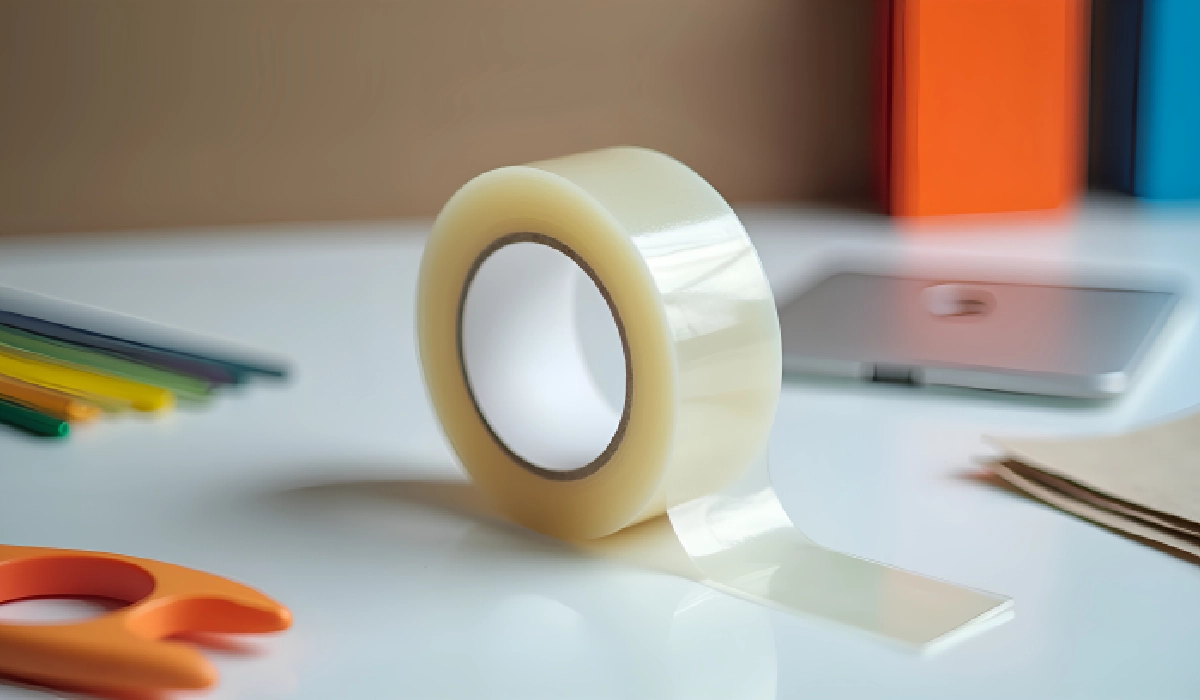
These are the most common adhesive tapes, used for sealing cartons, boxes, and parcels. Options include custom printed packing tape for branding.

  • Pros: Cost-effective, widely available, can be customized for businesses.
  • Cons: Limited adhesive strength for very heavy packages.
  • Best For: E-commerce, shipping, warehouses, and logistics companies.

4. Gaffer Tapes

Also known as stage tape, gaffer tape is residue-free and blends well due to its matte finish.

  • Pros: Strong yet easily removable, does not reflect light, available as pro gaff tape or white gaffer tape.
  • Cons: More expensive than duct tape, not always waterproof.
  • Best For: Film, theatre, concerts, and stage equipment management.

5. Surgical/Medical Adhesive Tapes

These are specially designed for medical use, often called medical adhesive tape. They secure dressings, bandages, or medical devices without harming the skin.

  • Pros: Breathable, gentle on skin, easy to tear by hand.
  • Cons: Not strong enough for heavy-duty use.
  • Best For: Hospitals, wound dressing, and at-home first aid kits.

6. Duct Tapes

Known for their toughness, duct tapes are reinforced and waterproof, making them a go-to for repairs. You’ll also find them in duct tape wholesale supply.

  • Pros: Extremely strong, versatile, and weather resistant.
  • Cons: Can leave sticky residue, not easy to tear neatly.
  • Best For: Construction, repairs, industrial maintenance, and emergencies.

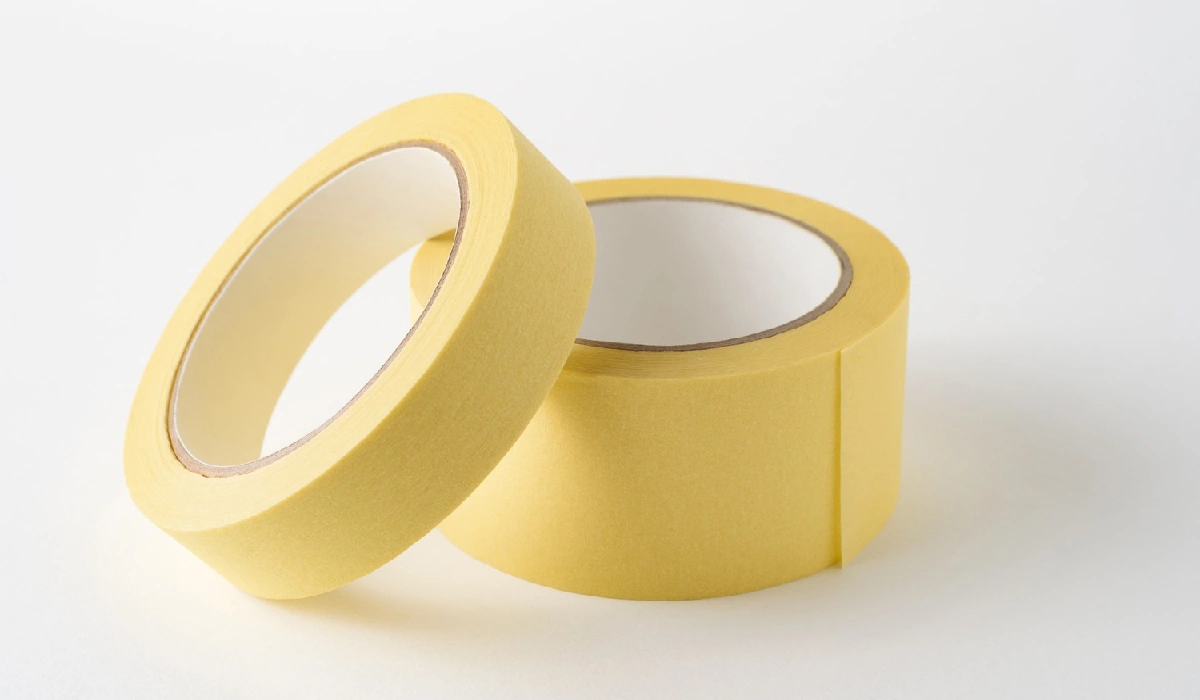
7. Masking Tapes

Masking tape is lightweight and easily removable without leaving residue, commonly used in painting and labeling.

  • Pros: Affordable, easy to apply and remove, safe for most surfaces.
  • Cons: Not durable for long-term use, weak adhesive under moisture.
  • Best For: Painters, temporary labeling, and light packaging.

8. Foam Tapes

Foam tapes provide cushioning, shock absorption, and sealing against dust or moisture. Popular in automotive and electronics.

  • Pros: Strong adhesion, vibration resistance, weatherproof, available as 3M double sided tape heavy duty.
  • Cons: More expensive than standard tapes, not suitable for all surfaces.
  • Best For: Automobiles, electronics, and furniture manufacturing.

Advantages of Using Adhesive Tapes Over Glue

Here are some of the advantages of using adhesive tapes over glue –

Quick application without the mess of liquid glue

Adhesive tapes are ready to use straight out of the roll—no mixing, squeezing, or drying required. Unlike glue, which often drips or spreads unevenly, tapes offer a clean and controlled way to bond surfaces instantly. This makes them a preferred choice in both homes and industries where speed and efficiency matter.

Instant adhesion saves time in critical tasks

With tapes, bonding happens immediately upon application. There’s no waiting for glue to set or cure, which can sometimes take hours. Whether sealing cartons in a busy warehouse or mounting decorations during an event, the instant stickiness of adhesive tapes ensures productivity isn’t compromised.

Flexible across multiple surfaces and conditions

Adhesive tapes are designed to work on a variety of surfaces, from wood, glass, and metal to skin and fabric. They can handle different conditions—heat, moisture, vibrations—depending on the tape type. Glue, on the other hand, often needs specific surfaces to work effectively, limiting its versatility.

Cleaner removal and less damage compared to glue

Many adhesive tapes, such as masking tape or gaffer tape, are designed to be removed without leaving marks or residue. Glue, once dried, can be difficult to scrape off and often damages surfaces in the process. This makes tapes the better option for temporary applications or delicate surfaces.

Stronger and more consistent bonding for certain uses

For heavy-duty applications like mounting or sealing, modern adhesive tapes can outperform glue. Specialized options like 3M double sided tape heavy duty or duct tapes offer durability, weather resistance, and long-term adhesion.

Customizable for branding and industrial needs

Businesses can opt for custom-printed tape or industrial adhesive tapes tailored to their specific requirements. Glue doesn’t provide this level of customization, making tapes more versatile for commercial packaging, branding, and wholesale applications.

Conclusion

Adhesive tapes are far more than simple office supplies—they are versatile bonding solutions that cater to households, hospitals, and industries alike.

Each type, from double-sided adhesive tape to medical adhesive tape or duct tape wholesale, serves a unique purpose with its own set of advantages. Unlike glue, tapes provide instant adhesion, clean application, and flexibility across surfaces.

For businesses, especially those sourcing in bulk, working with trusted Adhesive Tapes Wholesalers in Rwanda ensures quality and reliability. Shoppers Stop is one such brand that is completely reliable when it comes to buying the right product. Choosing the right tape for the right job can save time, reduce effort, and deliver long-lasting results.

FAQs

Q1. What are adhesive tapes?

Adhesive tapes are strips of material coated with glue on one or both sides, used to bond, seal, or insulate surfaces.

Q2. What are the different types of adhesive tapes?

The main types include double-sided, electrical, packaging, gaffer, surgical/medical, duct, masking, and foam tapes.

Q3. What is adhesive tape used for on skin?

Medical adhesive tapes are put on the skin to keep bandages, dressings, or medical devices in place.

Q4. Which tape is used in hospitals?

Hospitals commonly use surgical or medical adhesive tapes.

Q5. Is adhesive stronger than glue?

Yes, heavy-duty tapes like duct tape or 3M double-sided tape can often stick things together better and longer than regular glue.

Q6. What is the difference between glue and adhesives?

Glue is usually liquid-based, while adhesives also include tapes, sprays, and industrial bonding products.

Different Types of Office Chairs: Complete Guide for Comfort and Style

Introduction

The right office chair can make all the difference in your comfort, posture, and productivity. From long hours at your desk to important client meetings, having the right chair ensures better support and focus. With so many different types of office chairs available, it’s important to know which one suits your workspace and working style. In this guide, we’ll explore the different office chair styles commonly used in offices today, from ergonomic and executive chairs to visitor and conference seating.

Key Highlights

  • Choosing the right office chair directly affects your posture, comfort, and productivity, making it an essential part of any workspace.
  • Executive chairs and high back chairs provide premium comfort, lumbar support, and a professional look, making them ideal for long meetings or leadership roles.
  • Ergonomic chairs are the best office chairs for long hours and back pain, thanks to their adjustable features that reduce strain on the body.
  • Visitor chairs and conference chairs are practical for receptions, waiting rooms, and meeting spaces, offering comfort for shorter durations.
  • Training table chairs and auditorium chairs are designed for group settings, training halls, and events, with stackable or cushioned options for convenience.
  • Budget-friendly office chairs are lightweight, affordable, and suitable for startups or smaller offices that need functionality without high costs.

Different Types of Office Chairs

Let us take a look at different types of office chairs: 

1. Executive Chairs

Executive chairs are designed for senior professionals who want both comfort and a premium look. These chairs are often made with leather or high-quality fabric and come with padded armrests, swivel functions, and adjustable height. A high back executive chair offers strong lumbar and neck support, making it ideal for long meetings.

2. Ergonomic Chairs

An ergonomic chair is built to support your natural posture and reduce the risk of back or neck pain. These chairs usually feature adjustable seat height, backrest tilt, and armrests. If you’re looking for the best office chair for back pain or the most comfortable office chair, ergonomic options are your best bet.

3. High Back Chairs

High back chairs provide extended support for your upper back, shoulders, and neck. They’re perfect for professionals who spend hours at their desks. Many executive high back chairs also fall into this category, offering a mix of style and comfort.

4. Visitor Chairs

Visitor chairs are lightweight and usually placed in reception or waiting areas. These different types of chairs for office are available in fixed, cushioned, or foldable designs depending on the setting.

5. Conference and Reception Chairs

Conference and reception chairs are designed for group settings like boardrooms or meeting halls. They are sleek, durable, and comfortable enough for medium-length sitting, making them a key part of any professional workspace.

6. Training Table Chairs

These are functional, stackable chairs designed for workshops, classrooms, or training sessions. Training chairs are lightweight, easy to store, and often come with a foldable writing pad.

7. Auditorium Chairs

Auditorium chairs are built for large-scale seating in event halls, lecture rooms, or theaters. They are cushioned, durable, and designed for extended sitting during events.

8. Budget-Friendly Office Chairs

Not every workspace needs high-end furniture. Budget-friendly office chairs are simple, lightweight, and affordable while still providing the basics of comfort and functionality. They are great for startups and small offices.

How to Choose the Right Office Chair?

When selecting a chair, think about how long you sit each day, your posture, and your office style. If you need the best office chairs for long hours, go for ergonomic or executive high back chairs. For visitors or meetings, lightweight and stackable chairs are more practical. If you’re looking for an Office Chair in Kigali, Rwanda, explore reliable suppliers who offer a variety of options across styles and budgets. Many online platforms and stores, including Shoppers Stop, list a wide range of different types of desk chairs that can suit your workspace.

Final Thoughts

There are many different types of office chairs, and choosing the right one depends on your needs, budget, and office environment. From ergonomic chairs for long hours to conference and reception chairs for meetings, every design has its purpose. Ready to upgrade? Explore the variety of Office Chair in Kigali, Rwanda options from trusted suppliers and Shoppers Stop to find the perfect match for your workspace.

FAQs

What is the best office chair for sitting all day?

Ergonomic and executive high back chairs are considered the best for long hours, thanks to their lumbar support and adjustable features.

How to choose a good office chair?

Look for adjustable height, lumbar support, cushioned seating, and durable material. Always test for comfort.

What are ergonomic office chairs?

They are specially designed to support your posture, reduce strain on your back and neck, and improve sitting comfort during long working hours.

Which color chair is good for the office?

Neutral colors like black, grey, or brown suit most office interiors, while brighter shades can be used in creative spaces for a modern touch.

How to identify a good office chair?

A good office chair feels comfortable after long use, adjusts to your body, and supports your posture without causing stiffness or pain.

Top 10 Space-Saving Desk Designs for Small Office

Working in a small office often means every inch of space counts. A bulky desk can make the room feel cramped, while a compact, well-designed office table can boost comfort and productivity. The good news is that modern small office table designs come with smart features such as built-in storage, foldable tops, and sleek shapes. All of this helps maximize space without sacrificing style.

In this guide, we’ll share the 10 best space-saving office desk ideas to inspire your workspace setup.

Key Highlights

  • A small office table design can transform limited space into a productive and comfortable workspace without making it feel cluttered.

  • The best space-saving desk ideas include wall-mounted folding desks, L-shaped corner desks, compact standing desks, floating wall desks, modular tables, and luxury compact designs that balance style with function.

  • Choosing the right desk depends on your floor area, storage needs, ergonomic comfort, durability, and how well the design fits your office aesthetics.

  • If you are planning to buy an office table in Kigali, Rwanda, compare reliable office desk suppliers and check online furniture stores for modern, space-saving options at good value.

Top 10 Best Space-Saving Office Desk Ideas

Whether you’re looking for a simple office table design, a modern office table design, or even a luxury office table design, you’ll find something that fits your needs.

1. Wall-Mounted Folding Desks

Perfect for tight corners, these desks fold down when you need them and tuck away when not in use. They’re ideal if you want a desk to save space in home offices or compact workplaces.

2. L-Shaped Corner Desks

An L-shaped small office table design makes use of otherwise wasted corners. It also creates separate zones for your computer, files, and writing space, helping you stay organized.

3. Desks with Built-In Storage

Opt for office tables for small spaces with storage like shelves, drawers, or cabinets. A small wood desk with drawers keeps clutter out of sight, leaving more open space.

4. Standing Desks with Compact Frames

If you’re short on floor space, a slim standing desk gives you a healthy work posture while keeping the design minimal. Many modern versions come with adjustable heights.

5. Minimalist Floating Desks

A modern office table design that mounts to the wall without legs, creating a floating effect. This style frees up floor space for chairs or storage bins underneath.

6. Multi-Purpose Convertible Tables

These desks double as dining or meeting tables, offering flexibility for small startups or co-working spaces. A space-saving office table that adapts to different needs is a smart long-term investment.

7. Glass-Top Desks for Visual Space

Glass surfaces create an airy, open feel in small offices. Pairing a glass top with a slim metal frame makes the desk look elegant and less bulky.

8. Foldable Laptop Desks

If you mainly use a laptop, a save space computer desk that folds and stores easily is a practical choice. Perfect for hybrid workers who need mobility.

9. Modular Desks

A latest office table design trend, modular desks can be rearranged or stacked based on your needs. They’re highly adaptable and excellent for growing teams.

10. Luxury Compact Desks

For executives or home offices with premium aesthetics, luxury office table designs offer a blend of style and function. Think rich wood, metal accents, and sleek craftsmanship without taking up too much space.

How to Choose the Right Small Office Table?

When selecting an office table for your workspace, think about:

  • Available floor area
  • Storage needs
  • Comfort and ergonomics
  • Material and durability
  • Aesthetic fit with your office

If you’re looking to Buy Office Table in Kigali, Rwanda, make sure to compare options from office desk suppliers in Rwanda that provide both quality and value. Many online furniture stores in Kigali, Rwanda now offer space-saving and modern designs at affordable prices. Shoppers Stop also lists best office table design ideas worth exploring.

Final Thoughts

A thoughtfully chosen small office table design not only saves space but also enhances productivity. Whether you go for a modern office table design, a space saving office desk, or a luxury office table design, the right choice makes your small office look organized and stylish.

Ready to upgrade? Explore Buy Office Table in Rwanda from reliable supplier office furniture companies and transform your workspace today.

FAQs

What is the size of a small office table?

A small office table typically ranges from 36 to 48 inches in width and 24 inches in depth.

What is the standard size of a small office?

A standard small office can be around 50–150 square feet, depending on the layout and furniture arrangement.

What is the minimum size for an office desk?

The minimum recommended desk size is about 30 inches wide by 18 inches deep, which is just enough for a laptop and basic essentials.

What is a good-sized office desk?

For comfortable working, a desk of at least 48 inches wide and 24 inches deep works best.

How to choose a work table?

Choose based on available space, storage needs, your daily tasks, and comfort. Look for designs that are sturdy yet compact.

How to choose the right office table for your workspace?

Picking out a desk isn’t enough to find the right office table. Creating a space where you can unwind, focus, and maintain organization is crucial. Picking the right table for your office, whether it’s at home or in Kigali, Rwanda, can make a big difference in how your day goes.

We at Shoppers Stop think that furniture should fit your life, not the other way around. 

Factors to consider before buying an office table

Here are some tips that will help you find the best office table in Kigali, Rwanda, with minimal effort.

1. Know what you need from your workspace

Before you look around online or in a store, ask yourself:

  • How much room do I have?
  • What kind of work do I do every day?
  • What kind of computer do I use?
  • Do I need to store something with my table?

Choose the best office table for small spaces if you have limited space. These could be sleek, small tables or adjustable desks that can be used as both sitting and standing stations.

You’ll need more than one table to set up a whole office. For a professional look, you’ll probably need a conference table, a reception desk, or many office desk.

2. The size and shape of the table are important

There are different types of office tables, such as rectangular, L-shaped, U-shaped, and even round ones for meetings. Simple, rectangular desks work best in small rooms. L-shaped or executive-style tables, which have more surface area, work well in larger rooms.

Find out how much space you have. Allow space for a chair, moving around, and maybe a small cabinet or shelf. Remember that having a lot of people in one space can make you feel stuck. The goal is to feel good and get things done.

3. Pick out the Right Stuff

Many people want to know, “What kind of wood is best for an office table?”

Strong woods like oak, teak, and mahogany last a long time, but they can be expensive. It costs less and still looks great to use engineered timber like MDF or particleboard. You can get modern office furniture made of metal and glass, but it might feel cold or less homey.

Choose a desk made of wood or a mix of wood and other materials if you want something strong and long-lasting that won’t break the bank. At Shoppers Stop, we have choices that are both stylish and long-lasting.

4. Pick a style that makes you feel good.

The furniture in a modern office can look sleek, have clean lines, and be useful. But maybe you like a more classic and cozy look. You should feel “at home” at your desk. You’ll be here for hours every week, after all.

Color is crucial. “What color is best for an office table?” is a question that many people ask.

Pick colors that won’t stand out, like black, oak, beige, or white. These look lovely on most walls and won’t get in the way of your work. But don’t be afraid to add some color if it helps you get ideas.

5. Do you want storage or not?

There are office desks that have drawers, shelves, or cabinets built right in. Some are easy and clean. A desk with storage will help you keep things in order if you have many papers, notebooks, or tech gear.

However, if you prefer simplicity or frequently use your phone, you might only need a basic surface. It again depends on what you usually do.

6. Adjustability = Comfort

If you work at your desk for long periods, you may want an adjustable one. You can sit or stand on these, which can help with back pain and improve your concentration.

Please ensure that the desk height is compatible with your chair, provided it doesn’t extend to the floor. When you’re typing, your arms should be at a 90-degree angle.

7. Set up for a good vibe

People often ask, “Which side is best for an office table?”

If you can, put your desk near a window or somewhere you can see the whole room. For better mood and energy, let in more natural light. Put your back to the door as little as possible; doing so makes you feel uneasy.

Setting up your workstation in Rwanda with good flow and visibility helps both focus and peace of mind.

Where to Buy Office Furniture in Kigali, Rwanda

Shoppers Stop is the place to go if you need Office furniture in Kigali, Rwanda. There are various types of office desks, including adjustable desks, reception desks, and conference tables. There’s something for everyone, from a single desk for your home office to a whole setup for your entire team.

Yes, you can find cheap furniture in Kigali that fits your needs.

Final Thoughts

It’s not enough to just have a nice-looking office table. It’s about making your days at work easier and more pleasant. In Kigali, whether you need a simple desk or a whole office setup, take your time and make a wise choice.

If you are in search of the best furniture for sale in Kigali, go to Shoppers Stop to find the best office table that fits your style, budget, and space.

Your workspace must fit your needs. 

FAQs

How to choose an office table?

First, figure out how much space you have and what you need for daily work. Then pick the measurement, material, and style that work best for your job.

What should you consider when buying a table?

Comfort, enough surface area, suitable material, and a pleasant design are all things you should look for. Check to see if you need drawers or adjustable storage.

Which wood is best for an office table?

Teak, oak, and mahogany are excellent for durability. Engineered wood is both affordable and stylish.

Which color is best for an office table?

Neutral colors like white, black, walnut, or oak work best. They are calming and match most interiors.

Which side is suitable for an office table?

Face a window or open space if you can. Avoid having your back to the door for better comfort and focus.

5 Cost-Effective Ways to Upgrade Your Office Furniture

The way your office looks and feels has a big impact on the health, happiness, and productivity of your team. But let’s be honest: it can be pricey to arrange or improve an office. The good news? You don’t have to spend a lot of money to make your office a comfortable place where you can get work done.

There are cheap ways to make your office furniture more modern and useful, whether you’re starting a new business, updating your Kigali workspace, or just trying to make your space look better. This guide shows you five useful ways to improve your office without spending a lot of money.

Cost-Effective Office Furniture Ideas for a Smarter Workspace

1. Start with the Essentials: Prioritize What Matters Most

Before you worry about the decor, you should focus on the furniture that will make your employees the most comfortable and productive: office desks, ergonomic chairs, and space for groups.

Look for an office desk for sale that looks good and works well. Most of the time, modular desks or L-shaped arrangements give you more room without taking up more floor space.

There’s also a lot of stylish, cheap office furniture to choose from online. Upgrade things in stages instead of changing everything at once. Start with desks and chairs, which are the things that workers use the most, and work your way up from there.

2. Go Ergonomic Without Going Broke

You don’t have to buy expensive ergonomic chairs to make your workspaces comfy. There are choices that are easy on the wallet that offer lumbar support, height adjustment, and materials that let air flow. These are all important features of ergonomic furniture that help with good posture and fatigue.

Why does this matter? Research on how office furniture affects workers has shown that well-designed workspaces make people less likely to get sick, help them concentrate better, and boost happiness. That means that improving ergonomics is not only good for you, but also a good idea for your business.

3. Mix Modern with Multi-Functional

Want your space to look sleek without a total redesign? Introduce modern office furniture that’s multipurpose.

For example, desks with storage built in, chairs that can be stacked for events or meetings, or simple divider panels that can also be used as whiteboards. Smart design meets smart money. You can completely change the look of your office without doing any big renovations by adding just a few modern touches.

And yes, even in furniture shops in Kigali, you’ll find these space-saving pieces that fit both tight layouts and budgets.

4. Source Locally: Shop Smart in Rwanda

Avoid international shipping fees and long lead times by exploring office furniture in Rwanda. Many famous furniture stores and local vendors in Kigali offer custom solutions, refurbished options, and even bulk discounts for businesses.

Whether you’re looking for minimalist desks or sturdy file cabinets, shopping locally helps you support the economy while cutting costs. A quick visit to Shoppers Stop, one of the most trusted names for furniture in Rwanda, will give you access to curated collections that combine functionality with affordability.

Looking for even more choices? Use the anchor term office furniture in Rwanda to browse local vendors and compare prices online.

5. Optimize Layout for Productivity

Changing the way you arrange your room can sometimes have a bigger effect than buying something new. Layouts that aren’t well thought out and have cluttered desks, blocked views, or no breakout areas can slow people down.

Make clever use of the furniture you already have. Group desks for working together. Move shelves closer to places that get a lot of use. Make the most of natural light. You can make your office feel brand new for free by making a few smart changes.

Remember, your office furniture affects workplace productivity not just by its comfort level, but by how well it supports different work styles: focused tasks, brainstorming sessions, or hybrid setups.

Upgrade Your Office Space on a Budget—It’s Possible!

You don’t have to spend a lot of money to make your office look nice and be good for work. To get new office furniture without spending a lot of money, you can do things like shop locally and rearrange your plan.

You’re also in luck if you’re in Kigali or anywhere else in Rwanda. You can make a big change with just a few smart choices at places like Shoppers Stop and many office furniture shops that sell useful and comfortable solutions.

FAQs

How does office furniture affect employee productivity?

Comfortable, useful furniture helps you stand up straighter, feels better, and makes your work go more smoothly, all of which lead to more efficiency.

What type of office furniture is best for productivity?

For the best of both worlds, ergonomic chairs, desks that can be adjusted, and modular workspaces are great choices.

Can ergonomic furniture reduce employee sick days?

Yes. Ergonomic setups can minimize physical strain, leading to fewer musculoskeletal issues and lower absenteeism.

Is investing in high-quality office furniture cost-effective?

Of course. Durable and ergonomic furniture may cost more at first, but it saves money in the long run, increases output, and makes employees happier.

What should I look for when choosing office furniture?

Look for comfort, adjustability, quality materials, and designs that suit your workspace layout and team’s workflow.

Ready to upgrade your office without overspending?

Shoppers Stop is your reliable local partner for Office Furniture in Rwanda. Check out their stylish, affordable, and ergonomic choices.