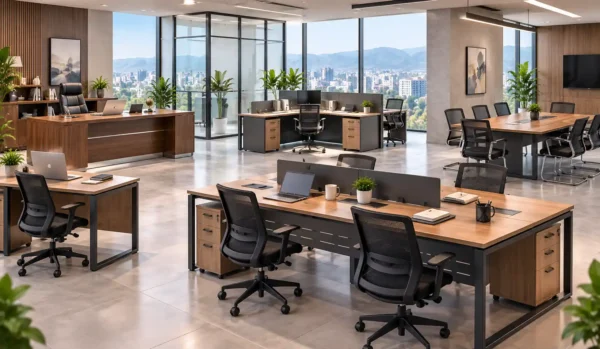

Forget the standard, dusty boardroom. Today’s conference room furniture design is not an expense—it’s a powerful operational tool. A well-designed meeting space influences every outcome, from the ease of collaboration to the speed of decision-making.If your conference room feels generic, it’s actively diminishing the impact of the ideas discussed within it.
For forward-thinking companies seeking truly impactful office furniture in Rwanda, the focus must shift from simply filling a space to architecting an environment for success. Every choice, from the foundational office conference room table to the ergonomic chair, should be intentional.
This guide will walk you through building a productive, modern, and uniquely professional conference space.
Key Highlights
- How conference room furniture design shapes collaboration and decision-making
- Choosing the right office conference room table shape for different meeting styles
- Balancing comfort, ergonomics, and aesthetics in modern seating
- Integrating technology seamlessly into meeting room table design
- Smart design tactics to optimize small conference spaces
Defining Intent: Aligning Furniture with Meeting Culture
The first step in design is defining the room’s personality. Is this the high-pressure deal-closing room or the relaxed innovation hub? The furniture must reflect this core purpose, and thoughtful conference room furniture design ensures the space aligns with your meeting culture.
A traditional firm might invest in the gravitas and permanence of a bespoke Oak Conference Table in Rwanda, while a creative agency might opt for adaptable, mobile pieces.
Beyond Aesthetics: The Foundational Pillars of Design
- Atmosphere & Tone: Materials set the stage. Rich, deep woods and leather signal authority and formality. Conversely, lighter, matte finishes, combined with exposed metal and clean lines, project a sleek, tech-forward aesthetic.
- The Power of Light: A drab room is a productivity killer. Prioritize ample natural light. Where natural light is scarce, use adjustable, layered artificial lighting. Overhead fixtures provide ambient light, while individual table lamps can create zones of focus for smaller discussions.
- Acoustic Comfort: Nothing kills focus faster than poor acoustics. Investing in wall panels, high-pile rugs, or even strategically placed fabric art can dampen echo and ensure that sensitive conversations remain confidential and remote participants can hear clearly.
The Table: Shape-Shifting for Dynamic Meetings
The table is the singular anchor of the room, and its shape dictates meeting dynamics more than any other element. When planning your conference hall table design, consider these functional shapes:
- The Rectangle/Boat Shape: Ideal for presentations and hierarchical meetings. This shape naturally positions a leader at the head, directing attention toward a focal point (like a projection screen). It remains the go-to choice for formal environments.
- The Circle/Square: Round meeting tables are the ultimate equalizer. Eliminating the “head” of the table encourages truly flat, collaborative discussions where everyone is seen and heard equally. Perfect for small team breakouts and brainstorming.
- Modular Units: For maximum flexibility, modular tables are invaluable. These units can be quickly separated into small meeting tables or reconfigured into a large U-shape or a vast rectangular layout, crucial for multi-purpose rooms.
A well-chosen table is a long-term asset. When you’re ready to Buy Conference Room Tables in Rwanda, look for high-quality craftsmanship that will withstand heavy use and adapt to integrated technology.
Human-Centric Seating: Prioritizing Endurance and Focus
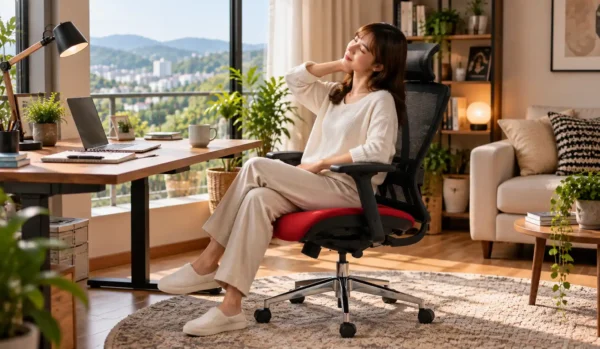
Meetings, particularly long strategic sessions, demand chairs that prioritize comfort over everything else. Attendees struggling with back pain or numb legs are mentally checked out.
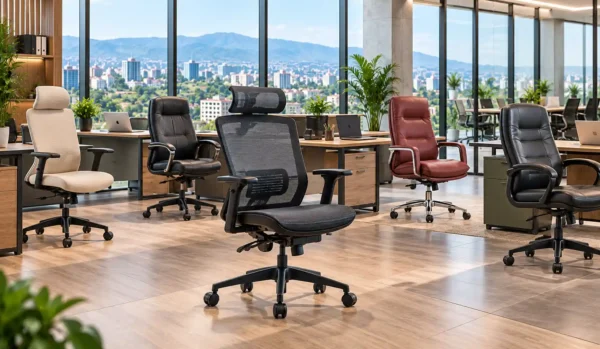
For a modern, high-functioning room, select ergonomic chairs with:
- Adjustable Lumbar Support: Crucial for extended sitting.
- Comfortable Padding: Dense, high-quality foam that doesn’t compress immediately.
- A Swivel Base: Allowing easy turning toward the screen or another attendee without scraping chairs.
The chairs must be visually cohesive with your Modern conference furniture, because seating plays a central role in overall conference room furniture design—whether you prefer sleek mesh for a contemporary look or high-backed leather for a classic style.
For those sourcing high-quality Modern oak conference tables for offices in Rwanda, ensure the accompanying chairs match the scale and style of the wood.
Seamless Technology: The Invisible Infrastructure
The difference between a frustrating meeting and a productive one often comes down to integrated technology. Modern meeting room table design must accommodate technology invisibly.
- Integrated Power: Tables should feature hidden grommets or built-in pop-up power modules, including USB and standard electrical outlets, eliminating messy power strips.
- Wireless Connectivity: Invest in simple, one-touch wireless presentation devices.
- Video Conferencing: For hybrid teams, positioning cameras and screens correctly is non-negotiable. The furniture should not block lines of sight, and the table’s finish should be matte to avoid distracting screen glare.
For businesses looking for reliable, high-end finishing touches that integrate seamlessly with technology, checking the offerings at large, trusted retailers is wise. A quick look at a major supplier like Shoppers Stop can provide excellent benchmarks for quality and design flexibility in this area.
Scaling Smart: Design Tactics for Intimate Spaces
Designing a small conference room is a test of efficiency. The goal is to make the space feel intentionally intimate, not cramped.
- Prioritize Round: For smaller rooms, opting for a round conference table online in Rwanda is often the best choice, as it eliminates harsh corners and allows people to navigate the room more easily.
- Vertical Space: Use wall-mounted displays instead of large pull-down screens that clutter the room. Vertical shelving can also draw the eye upward, making the ceiling feel higher.
- Reflective Surfaces: Judicious use of glass and polished metallic accents can bounce light around the room, making it feel larger than its footprint.
Ultimately, whether you are outfitting a sprawling executive suite or an efficient huddle room, the best providers understand that conference room furniture design must merge local necessity with global design trends.
Frequently Asked Questions about Conference Room Design
Q: How do I choose the best furniture for my conference room?
Start with defining the primary function of the room. Prioritize ergonomic seating for long meetings, and select a table shape that physically encourages the desired style of interaction.
Q: What’s trending in conference room furniture in 2025?
The top trends revolve around extreme flexibility like modular tables and mobile storage, seamless technology integration, and biophilic design.
Q: What table shapes work best for different meeting types?
Rectangular tables suit formal, presentation-led meetings where hierarchy is clear. Round tables are ideal for collaborative, equal-status discussions and creative brainstorming. U-shaped tables are best for training and hybrid meetings focused on a central screen or speaker.
Q: How do I make a small conference room feel more spacious?
Maximize light, use neutral and light color palettes, choose smaller round meeting tables, and utilize vertical space by wall-mounting screens and whiteboards. Glass walls, where appropriate, also dramatically increase the feeling of space.
Q: How can I make a conference room look modern?
Focus on clean, minimalist design (minimal clutter), smooth surfaces (glass, matte metal, light-toned wood), and integrated technology. The look should be streamlined, functional, and devoid of unnecessary ornamentation.
Q: What role does technology play in conference room furniture design?
Technology is no longer an add-on; it is integrated. Furniture must include solutions for power access, data cables, and charging. Tables must support quick, seamless hook-ups for video conferencing and presentations without visual clutter.

Hiren Kapadia is the founder of Shoppers Stop, Kigali’s trusted name in office furniture solutions. Since 2007, he has been helping businesses and individuals create productive, comfortable, and stylish workspaces through modern design and reliable service.