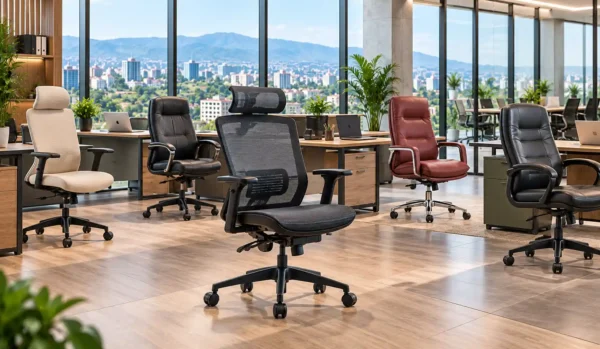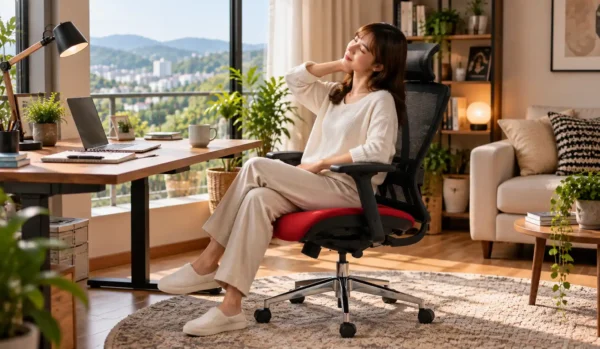
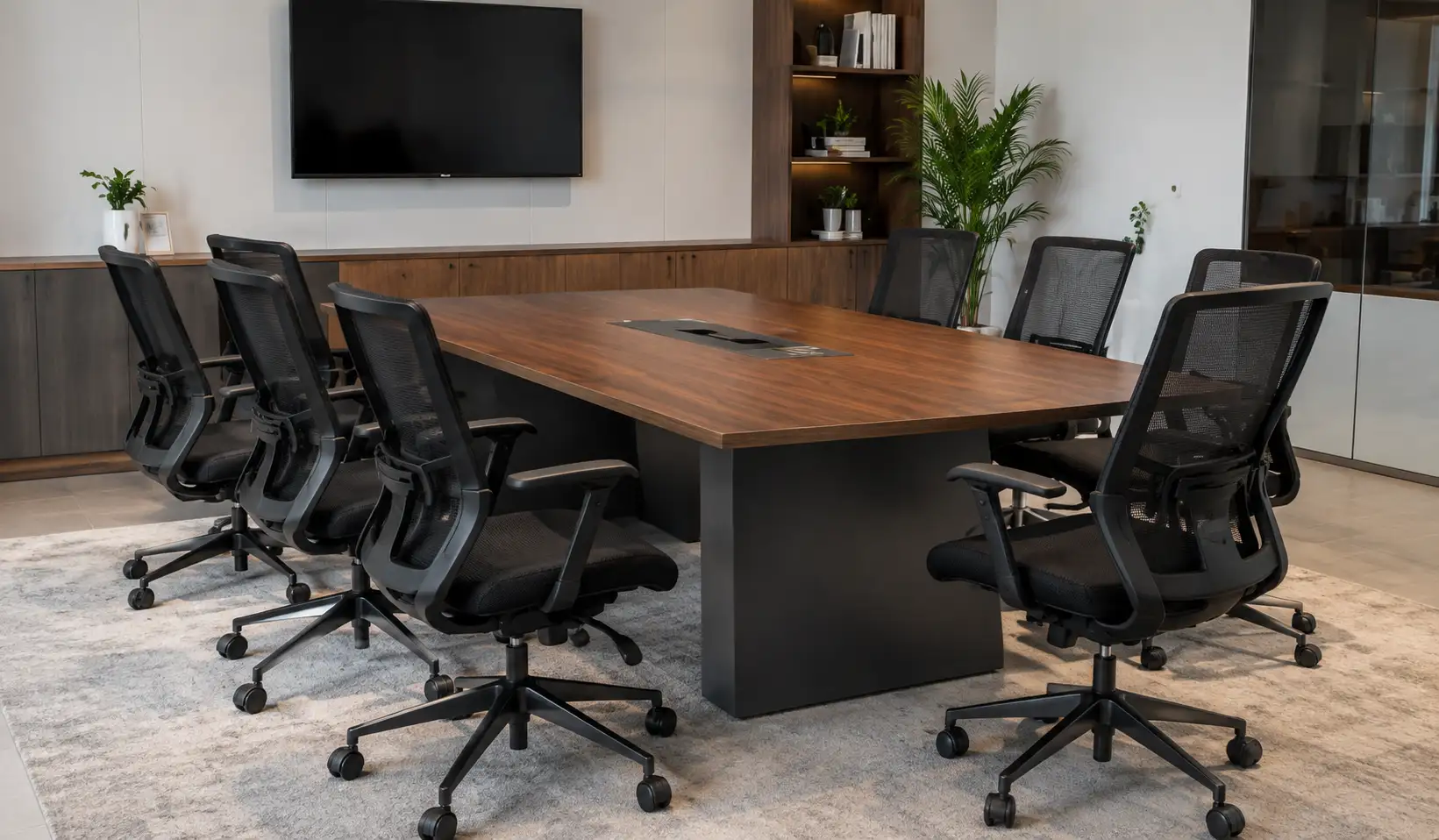
If you’ve ever sat through a long workday in the wrong chair, you already know why buying an office chair deserves more than a quick glance at price and color. One of the few pieces of office furniture you sit in for eight hours or more every day is your chair. If you choose the wrong one, you’ll quickly notice stiff shoulders, a sore lower back, and a lack of motivation by mid-afternoon. The right one, on the other hand, quietly fades into the background, letting you focus on work.
Whether you’re furnishing a home office or fitting out an entire team, here’s what actually matters when buying an office chair, and what tends to get overlooked.
Key Takeaways
- Seat height, tilt, and armrests should be adjustable to the person, not force them into a fixed position.
- One of the most important things for avoiding back pain during long work hours is having the right lumbar support.
- Seat depth and cushioning quality affect comfort as much as the backrest, so test before buying in bulk.
- Choose mesh for breathability in everyday task chairs, or leather for a more formal, executive appearance.
- Task chairs are good for everyday work, while executive chairs are better for private offices and areas where clients will be visiting.
- A good chair for long periods of time should have a sturdy base, smooth-rolling wheels, and be made of materials that withstand daily use.
- Always plan chair purchases alongside desk height and the overall office layout to ensure a workspace that functions as a whole.
1. Ergonomic Adjustability
Ergonomic seating starts with adjustability. A quality office chair should let you change seat height, tilt tension, and armrest position so it can be set to fit your body rather than the other way around.
Look for a seat height range that lets your feet rest flat on the floor with your knees at roughly a 90-degree angle, and armrests that adjust in height so your shoulders stay relaxed rather than hunched.
Even though fixed, non-adjustable chairs may look the same in a showroom, they force everyone in the office into the same posture, no matter their height or build. This is rarely comfortable for more than a day.
2. Lumbar Support and Backrest Shape
Few features matter more for long-term comfort than proper lumbar support. The lower back naturally curves inward, and a backrest without support in that area forces the spine to slump, which is a leading cause of lower back pain from prolonged sitting.
Chairs designed with adjustable lumbar support, such as those covered in our guide to office chairs for back support, let you fine-tune where and how much support the lower back receives.
A slightly slanted backrest, rather than a completely straight one, also reduces spinal pressure during long work hours. You should try this out before buying a bunch of them for the office.
3. Seat Depth and Cushioning
Seat depth is easy to overlook but affects comfort just as much as backrest quality. When you sit down, there should be a small space, about the width of two to three fingers, between the front edge of the seat and the back of your knees.
A seat that’s too deep pushes the backrest out of reach; one that’s too shallow leaves the thighs unsupported.
Cushioning matters too. Foam that’s too soft compresses quickly and loses support within months, while foam that’s too firm can create pressure points during long stretches of sitting.
4. Mesh vs. Leather: Choosing the Right Material
Material affects comfort, appearance, and how a chair performs day-to-day. This is where the Mesh vs Leather Office Chair decision comes in. Breathable mesh backrests allow airflow, which helps in warmer climates and reduces heat build-up during long hours.
Leather and leatherette, on the other hand, bring a more polished, executive look and tend to be easier to wipe down, though they can feel warmer over extended use.
Neither material is “better” in every situation; it depends on whether the most important thing is airflow for everyday task chairs or a more formal look for executive or client areas.
5. Chair Type Matches the Role
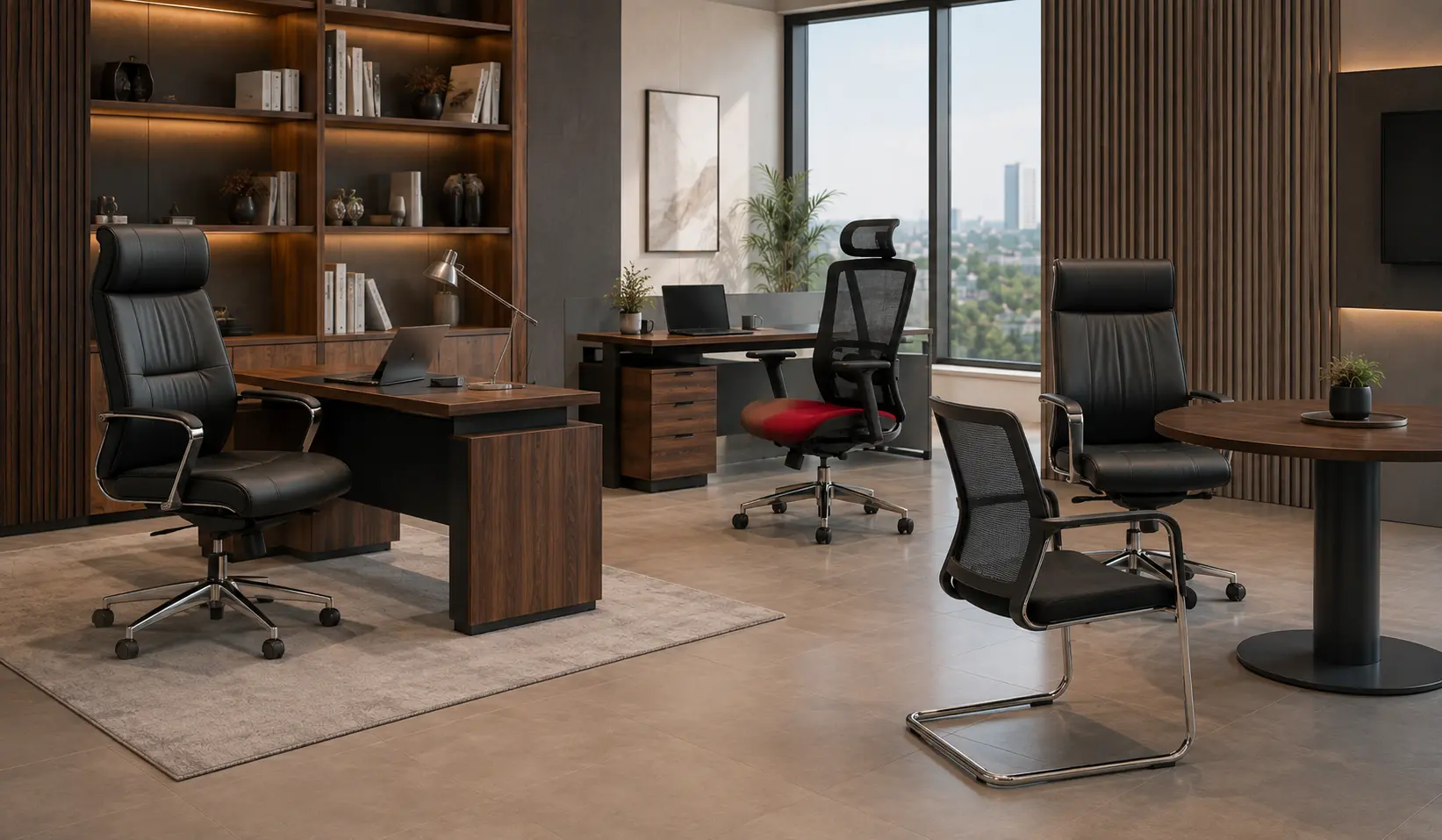
Not every desk needs the same chair. Task chairs are designed for everyday use. They are light, easy to adjust, and useful for open workspaces.
Executive chairs are typically larger, more heavily padded, and designed to convey authority in private offices or meeting rooms. Understanding the different types of office chairs available makes it easier to match seating to how each role in the office actually works, rather than furnishing every desk identically.
6. Built for Long Hours
If a chair will be used for most of the working day, it needs to be evaluated differently than occasional-use seating. Look at swivel smoothness, caster quality for your flooring type, and whether the base and frame are rated for extended daily use rather than light home use.
The best office chairs for long hours typically combine breathable materials, strong lumbar support, and a sturdy five-point base that won’t wobble or wear out within a year.
7. How the Chair Fits the Bigger Picture
Even if the chair is great, it still needs to fit in with the rest of the workspace. This includes the desk height, the available space, and how the seating area fits with the rest of the office.
It’s worth reviewing your office furniture planning guide before finalising chair orders, since desk height and chair adjustability need to work together rather than be chosen in isolation.
Getting It Right the First Time
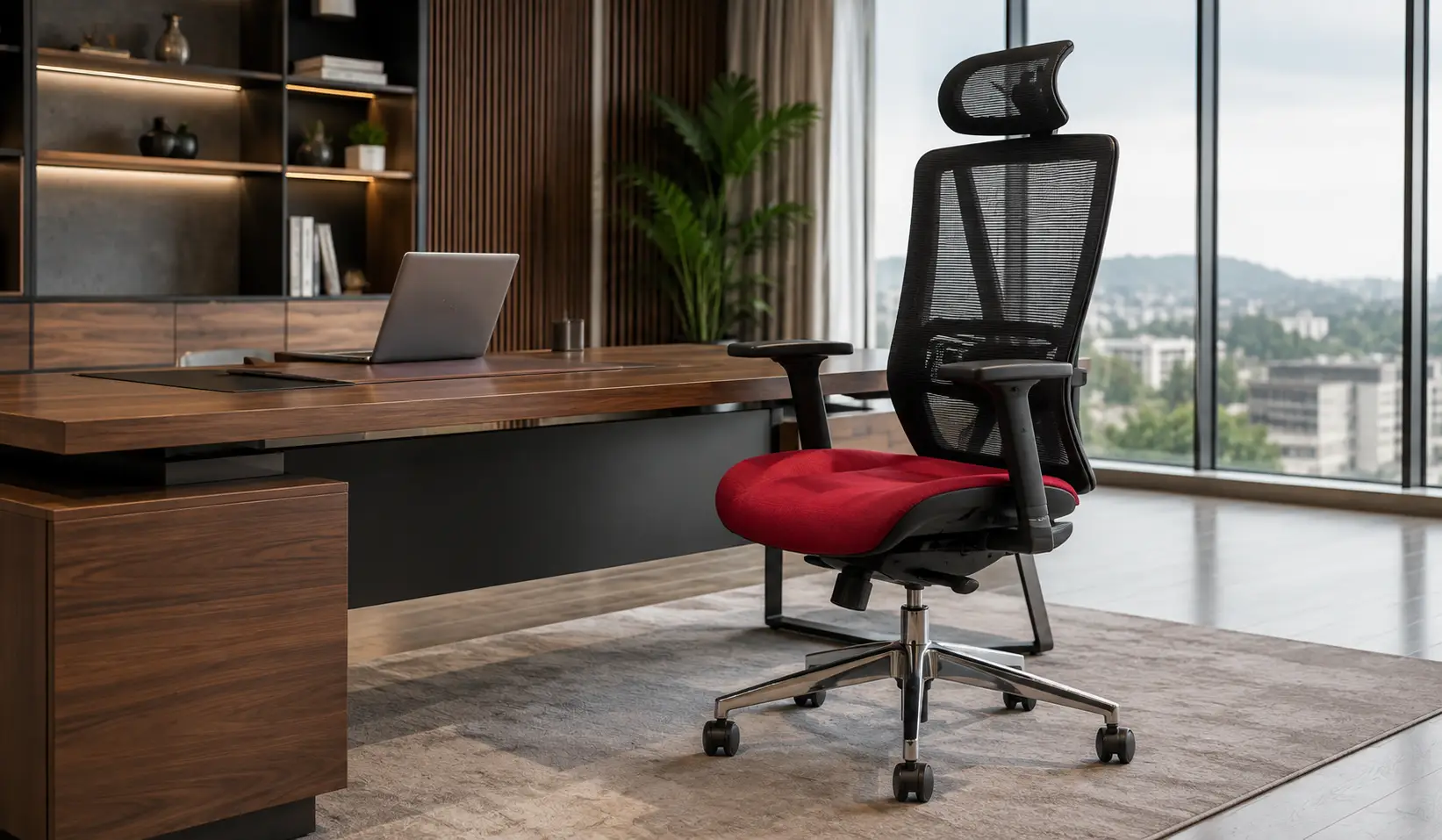
Finding the cheapest office chair isn’t the best way to choose one. What matters is matching the chair’s adjustability, support, material, and type to how it will be used.
Shoppers Stop works with businesses across Kigali and Rwanda to help them get this right, from single home-office setups to full commercial fit-outs, backed by chairs built for daily, long-term use rather than short-term looks. If you are planning to Buy Office Chairs in Kigali, Rwanda, check out the official site.
Frequently Asked Questions
1. What features make an office chair ergonomic?
An ergonomic office chair offers adjustable seat height, lumbar support, adjustable armrests, and a backrest that supports natural spinal curvature, allowing the chair to adapt to the user rather than forcing a fixed posture.
2. How do I choose the right office chair for long working hours?
Look for strong lumbar support, breathable material, adjustable components, and a sturdy base rated for daily, extended use rather than occasional sitting.
3. Why is lumbar support important in an office chair?
Lumbar support maintains the natural inward curve of the lower back, reducing slumping and the strain that leads to lower back pain during long periods of sitting.
4. Which office chair material is best for everyday use?
Breathable mesh works well for everyday task chairs, especially in warmer environments, while leather suits executive or client-facing spaces where appearance is a priority.
5. What seat adjustments should an office chair have?
At minimum, look for adjustable seat height, tilt tension, and armrest height. Adjustable lumbar support and seat depth are additional features worth prioritizing for long-term comfort.
6. How do I know if an office chair fits my body?
Your feet should rest flat on the floor with knees at roughly 90 degrees, there should be a small gap between the seat edge and the back of your knees, and your lower back should feel supported without slumping.
7. What is the difference between a task chair and an executive chair?
Task chairs are lighter, more adjustable, and built for everyday functional use, while executive chairs are larger, more heavily padded, and designed for private offices or client-facing spaces.
8. How long should a quality office chair last?
A well-made office chair should last five to ten years with regular use, provided it has a sturdy frame, quality foam, and durable casters and base components.
9. What mistakes should I avoid when buying an office chair?
Avoid choosing based on appearance alone, skipping a test sit, ignoring adjustability, and buying chairs that don’t match how long you’ll be sitting or how the chair will actually be used each day.
10.Where can I buy high-quality office chairs in Rwanda?
Businesses and individuals in Kigali and across Rwanda can source ergonomic, task, and executive office chairs from established local suppliers who offer a range of adjustable, durable seating options for both home and commercial workspaces.

Hiren Kapadia is the founder of Shoppers Stop, Kigali’s trusted name in office furniture solutions. Since 2007, he has been helping businesses and individuals create productive, comfortable, and stylish workspaces through modern design and reliable service.